A Culinary secret-The Rammaseri Idli!


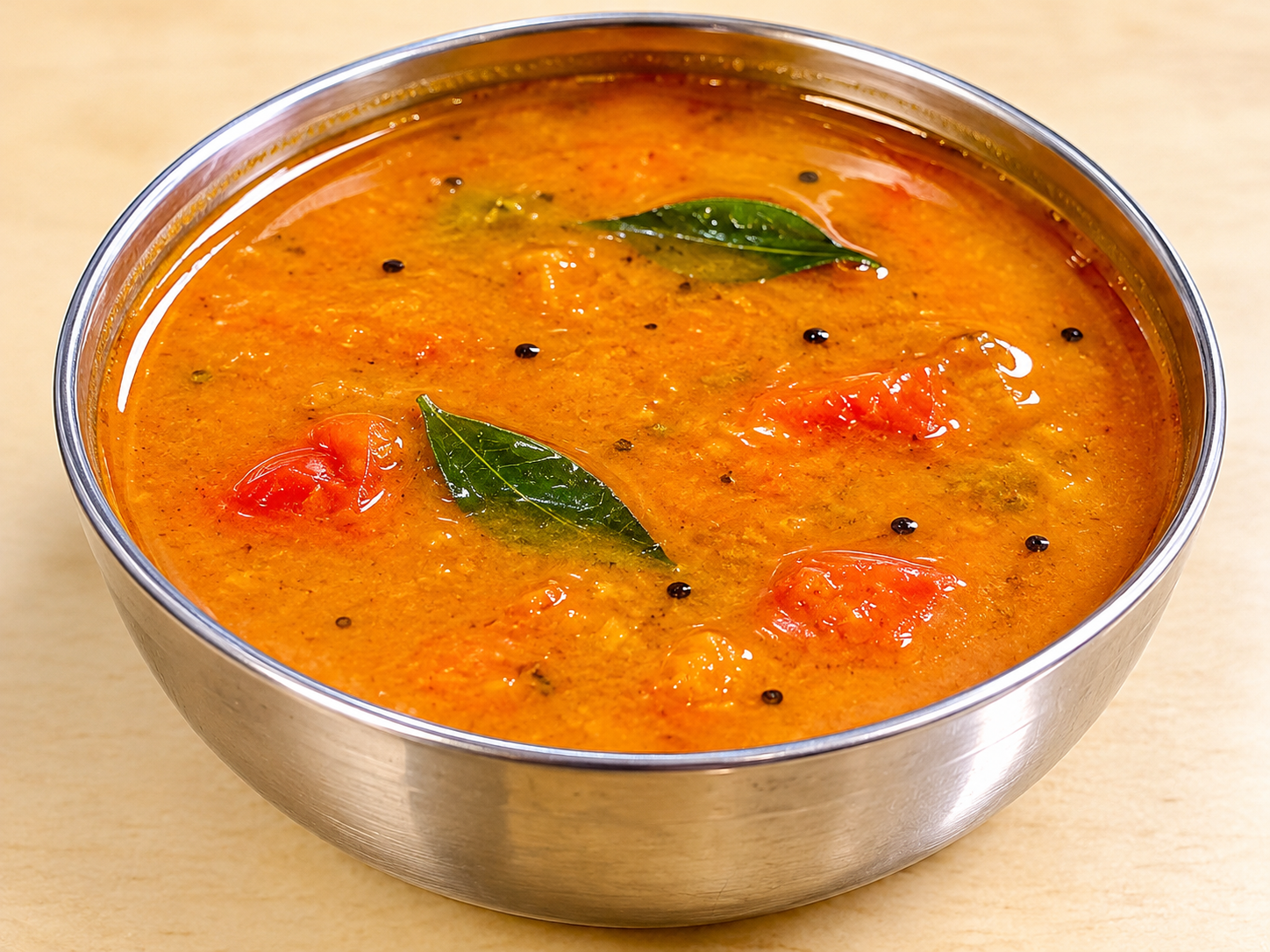
My cook was from Palakkad, and it was his sambar that started all this.I was posted in Cochin then, and had fallen for Kerala completely. But Palakkad sambar is its own thing, unlike any sambar I had known. One day, stirring the pot, he mentioned an idli from his part of the world, one that looks like a dosa and eats like a cloud.
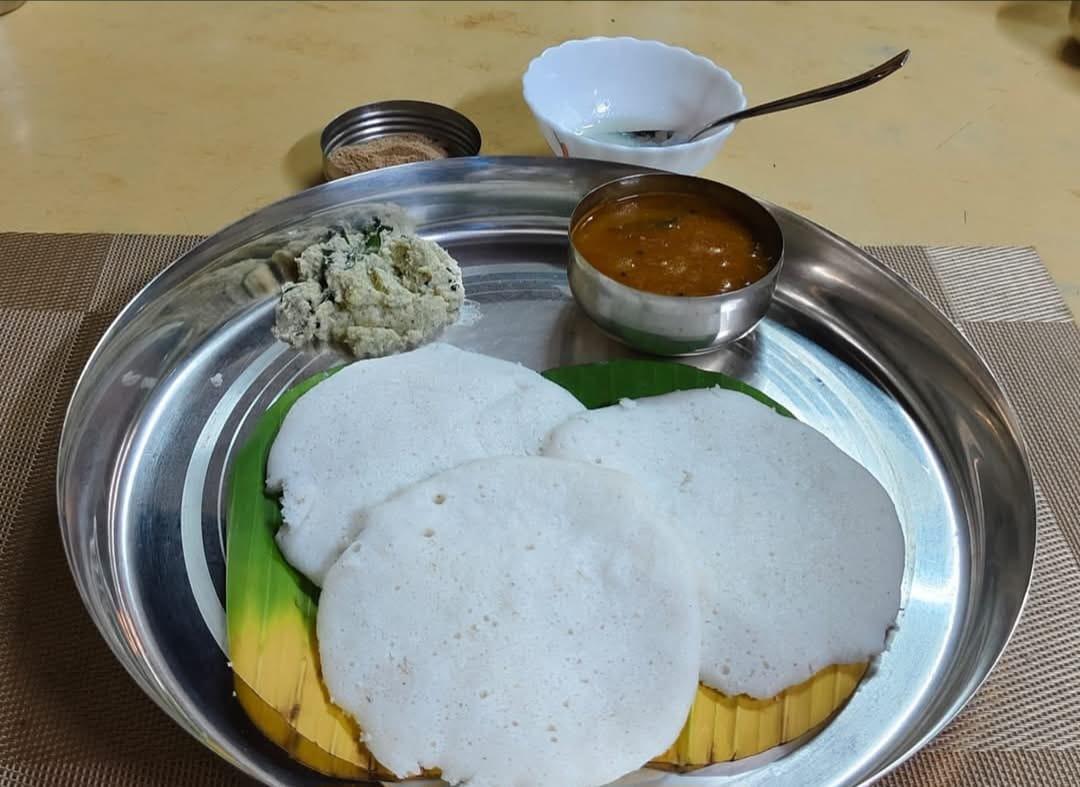
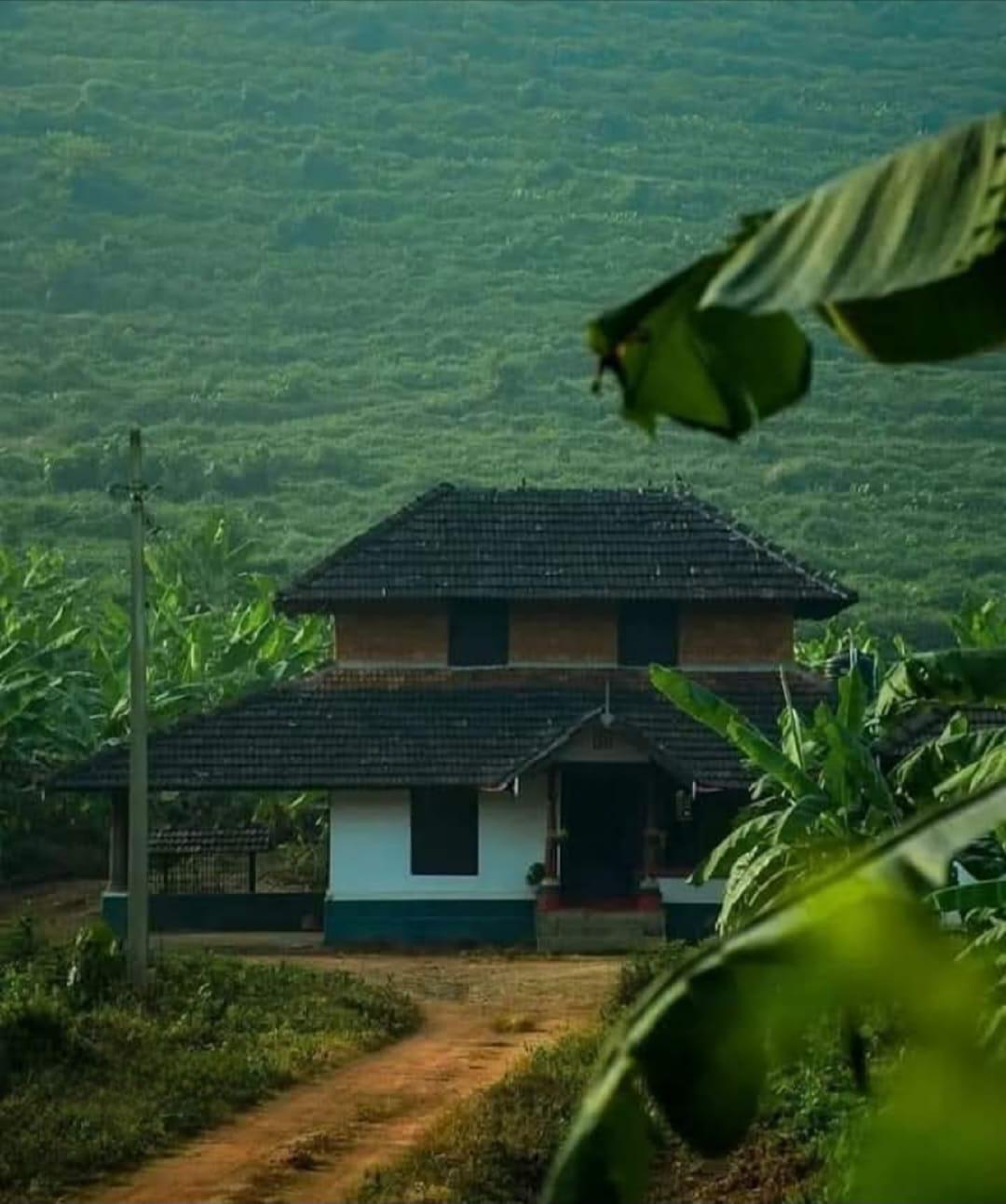
I did what any sensible person would do. The following Sunday, I got in the car and drove to Ramassery. Some journeys are planned for months. This one began with a sambar and a sentence.Here is what I found.Ramassery is a sleepy little hamlet in Palakkad,Kerala famous for the king of Idli – A little culinary secret from Palakkad!
At Ramassery, the traditional idli gets a unique spin and turns into a dish that has an interesting lore behind it.There are idlis, and then there is the rather extraordinary Ramaserry idli of Palakkad, Kerala.
At first glance, it can easily be mistaken for a small, puffed-up dosa. Flat, round, delicately textured,it is quite unlike the familiar, pillow-shaped idli.What makes it so special?The secret is not merely in the ingredients but in the cooking technique.
Traditionally made with rice and urad dal,instead of conventional idli moulds, the batter is spread over a damp cotton or muslin cloth stretched across a specially designed, sieve-like earthen vessel.Several such vessels are stacked over a pot of boiling water, allowing the idlis to cook in rising steam.Tamarind wood was traditionally used as fuel. The earthenware vessels and wood-fired cooking were considered essential to the distinctive flavour.The cooked idli is carefully removed from the cloth, sometimes using a local leaf that lends a delicate fragrance.
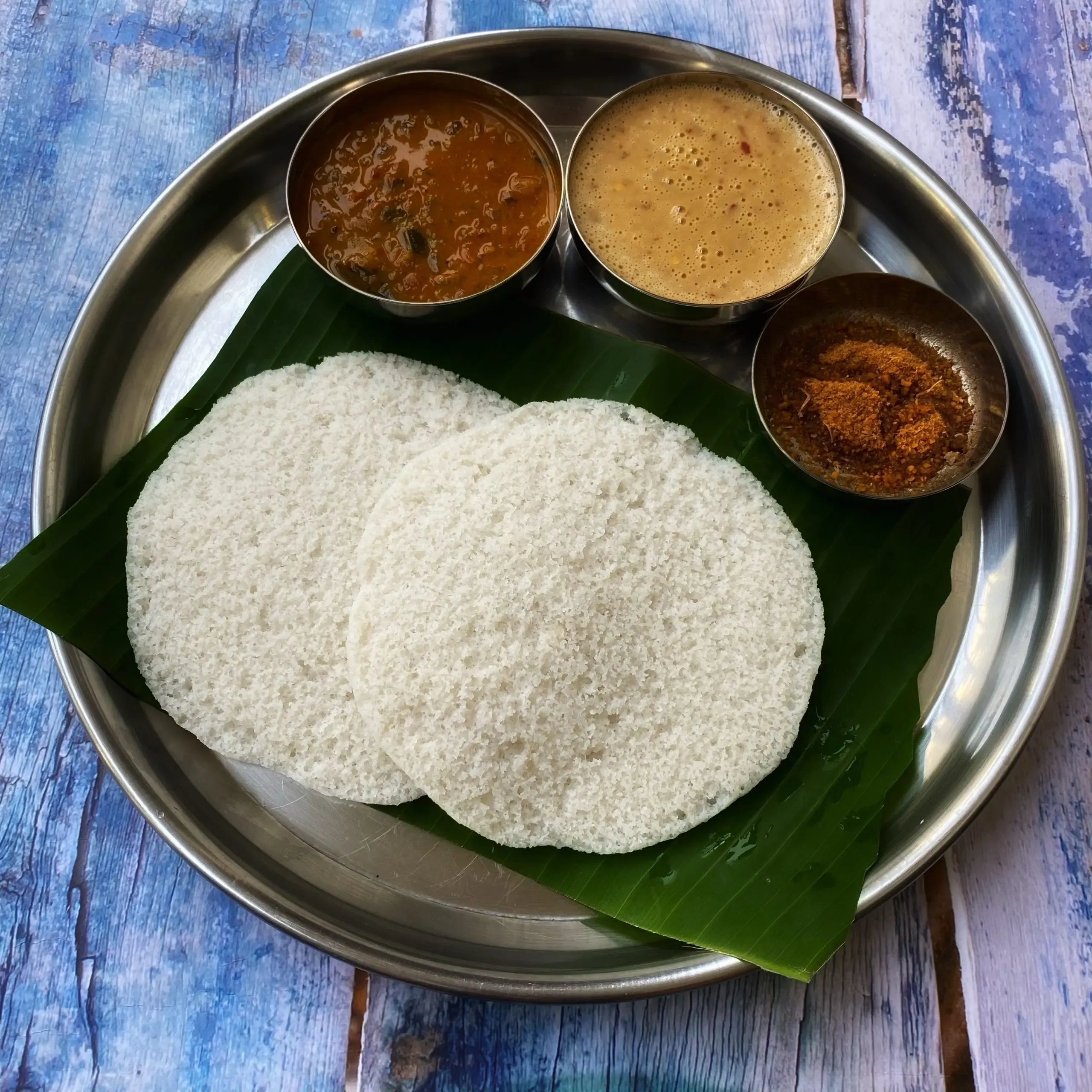
The result is an exceptionally soft, feather-light idli with a slightly grainy texture and a distinctive underside.The idlis are traditionally eaten with coconut chutney, sambar, tomato chutney, spicy podi and even a creamy coconut-milk accompaniment.
The tradition is believed to go back over 150–200 years, to Mudaliar families who migrated from Tamil Nadu, particularly from regions such as Kanchipuram, Tirupur and Thanjavur, and settled in the Ramassery village near Palakkad. The men were traditionally weavers, while the women brought with them a rich culinary tradition.
As weaving became less economically viable, making and selling idlis gradually became an important source of livelihood. There is even a local family history associated with Chittoori Ammal, remembered as one of the early women who began making these idlis to support her family.
Here, a community's weaving heritage seems to have found an unexpected expression in food. The same patience, dexterity and inherited knowledge that went into creating a piece of fabric became part of creating something as humble as an idli.Perhaps that is the real charm of Ramaserry.
One of the fascinating aspects of this culinary heritage is that the original recipe has remained closely guarded within a handful of Mudaliar families.Sree Saraswathy Tea Stall, popularly known as Ramassery Idli Kada, is among the best-known establishments preserving the tradition.
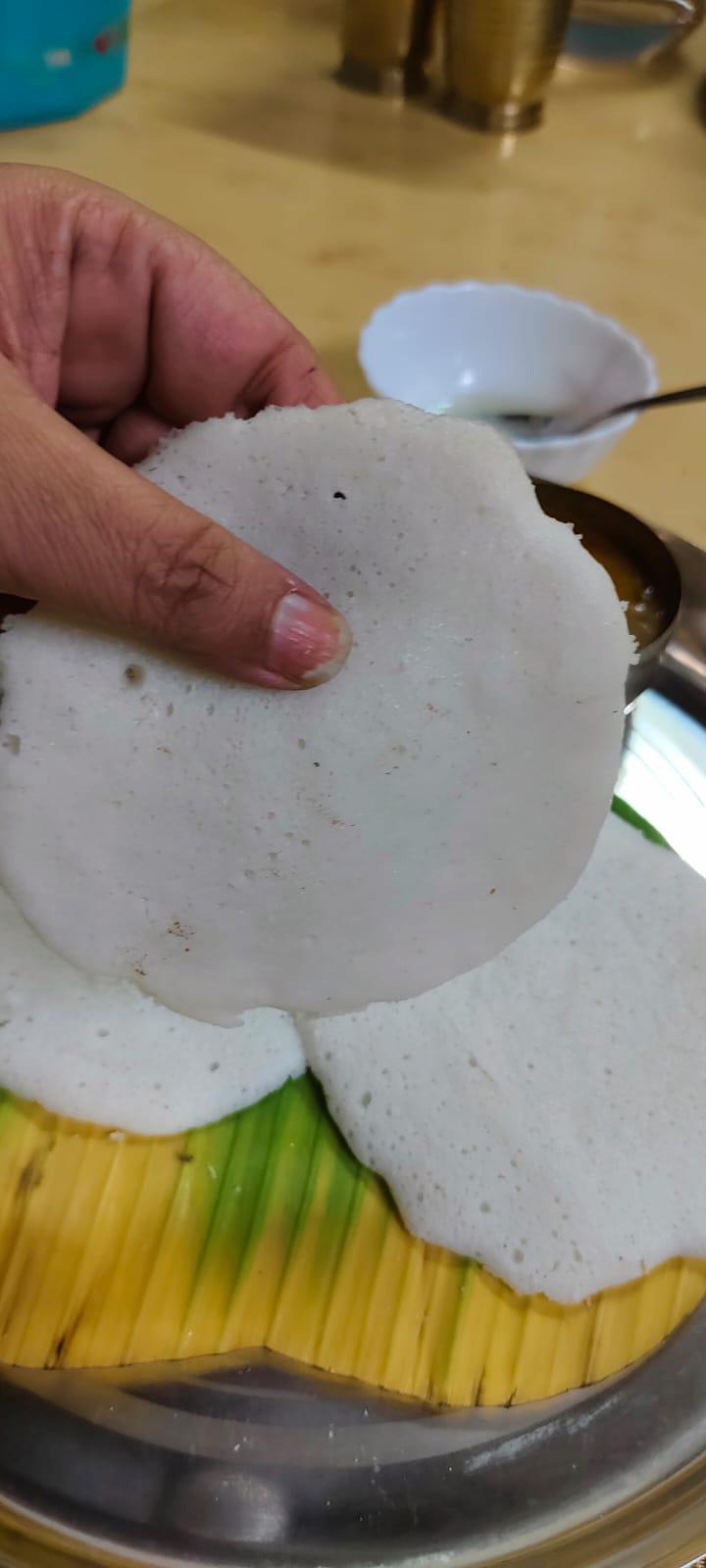
The knowledge is passed down through generations, with the present generation continuing the family's work.The Ramessary Idli represents something we are losing out on in an age of standardised recipes and instant food - the intelligence of traditional kitchens.
It is a story of migration, women's enterprise, community memory and culinary ingenuity — preserved, quite literally, one idli at a time.And sometimes, the most extraordinary food stories come in the simplest of forms.
Note:(pics from internet for illustration only)

-SunheriSufi
Comments (2)