A Poem Called Ilish!


My father told me about this poem the way he told me most things that mattered — sideways, at a fish market, while haggling over the weight of a hilsa. I don't remember the price he settled on. I remember the poem's name entering my head between the smell of the catch and the sound of his voice.
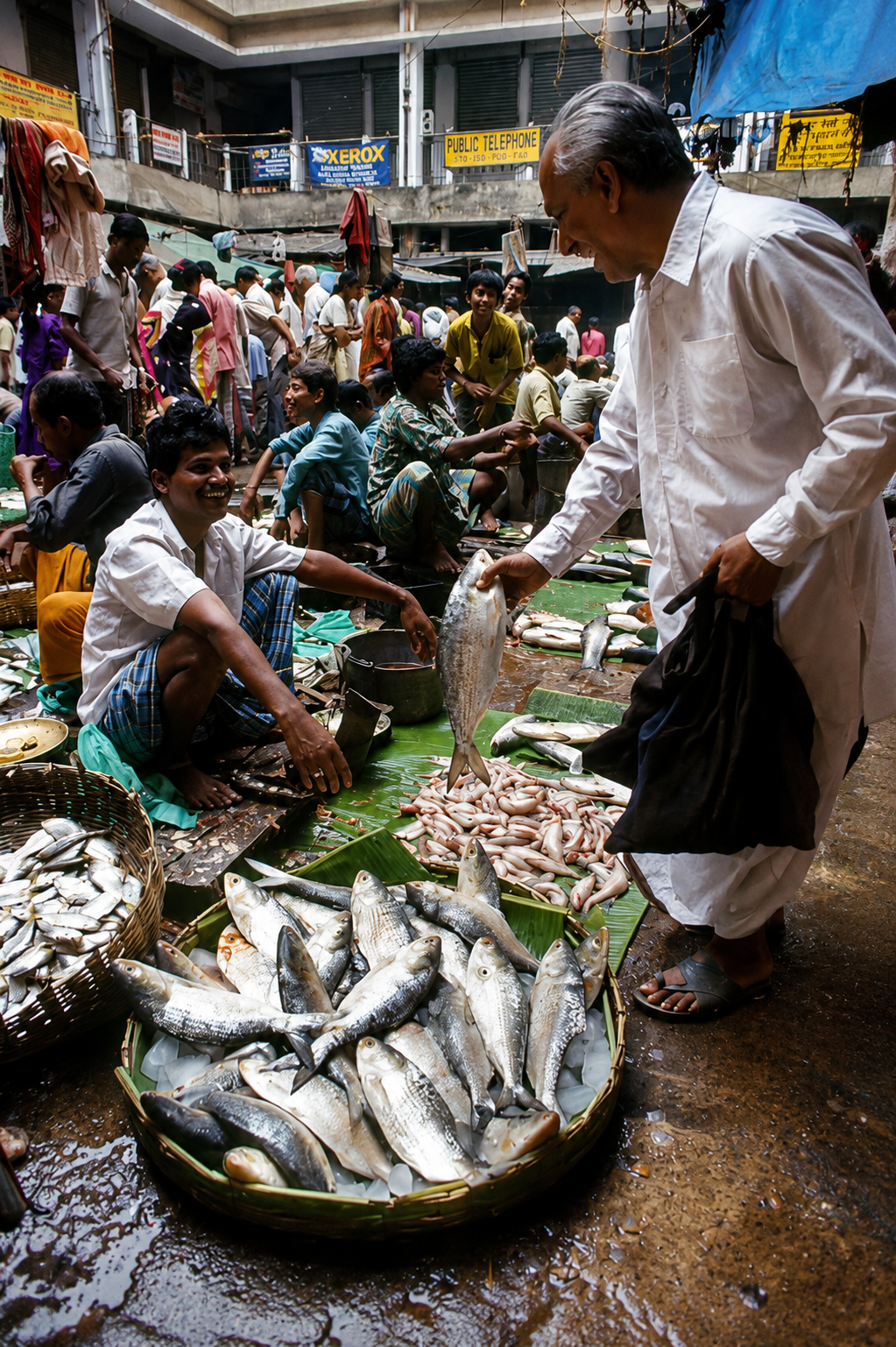
Buddhadeb Bose wrote "ইলিশ" in June 1938, and it has outlived every sentimental Bengal-in-monsoon poem written since, because it refuses to be one. It opens with the sky breaking into Ashar — the rains arriving not as weather but as something closer to intoxication, the whole of Bengal overwhelmed by it. The Meghna, the coconut groves, the clouds: Bose builds a landscape so total it stops being scenery and starts behaving like a body, wet and enormous and alive.
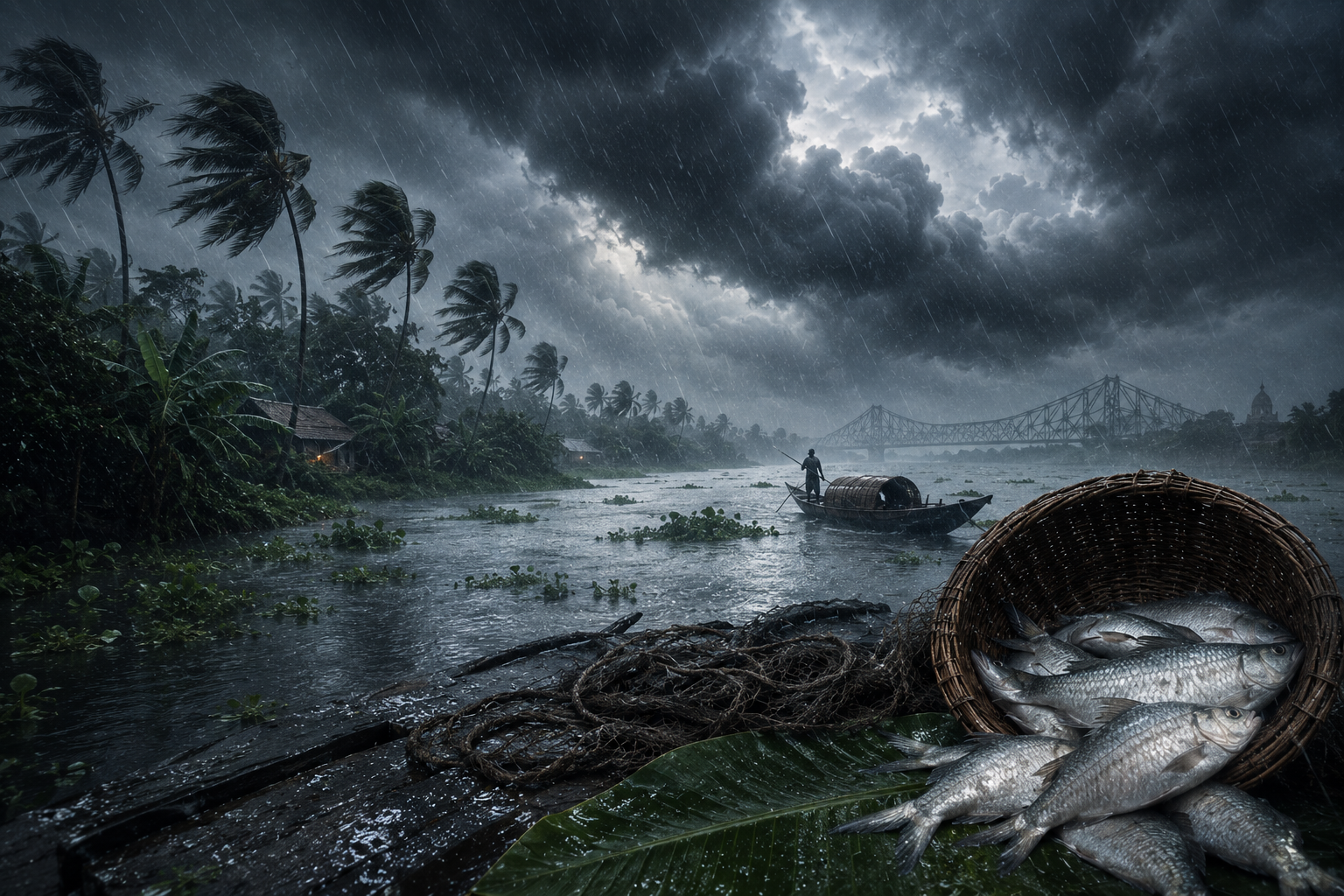
Into that body he drops the fish. Not as a delicacy waiting to be admired, but as something the water itself has grown — his great inversion being that land yields rice, and water, in this telling, yields hilsa. A harvest pulled from the river instead of the soil. It is the kind of image that sounds decorative until you notice what it's actually doing: elevating an ordinary catch to the register of the sacred, the way rice has always been sacred to a Bengali table.
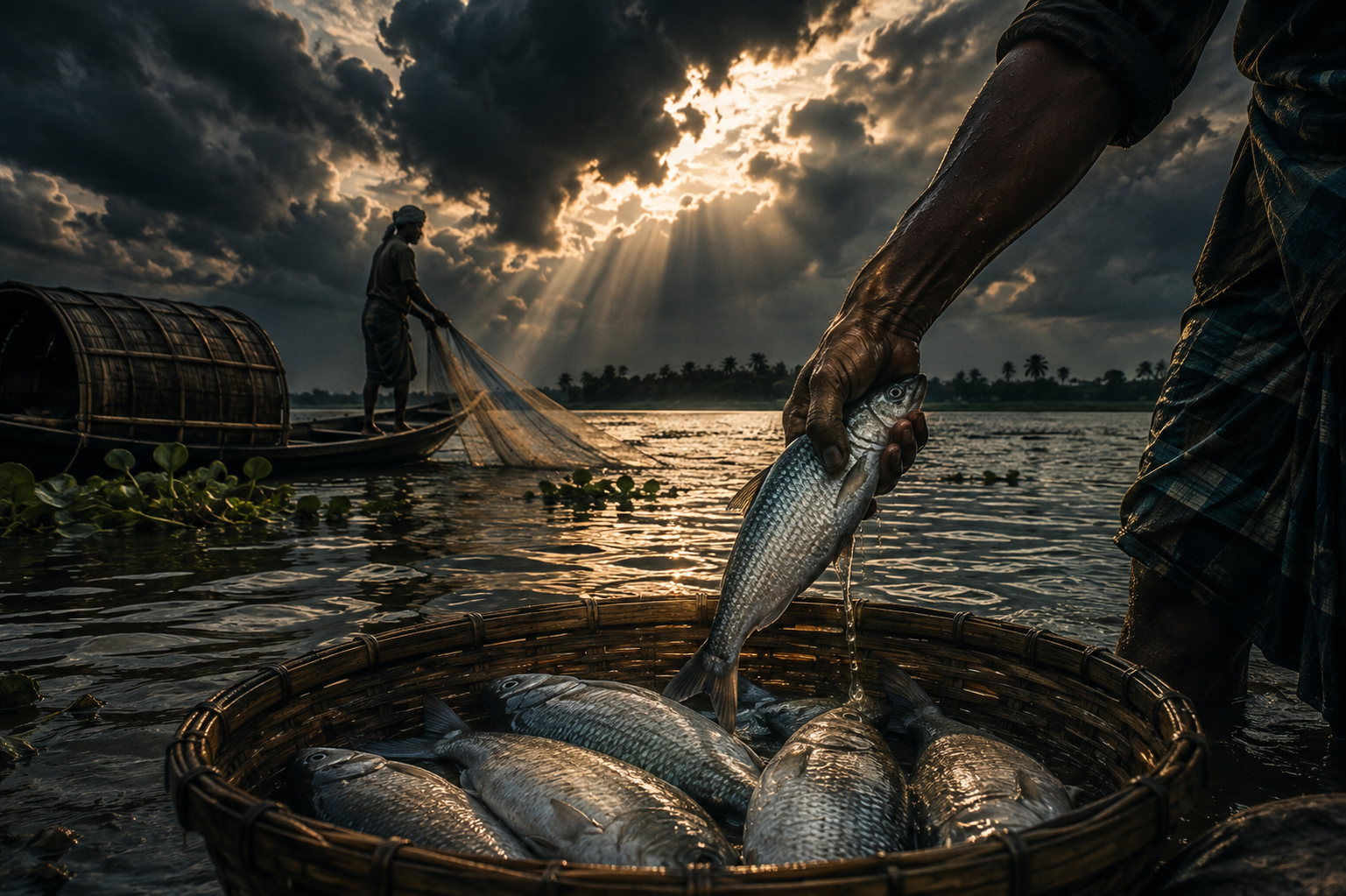
Then the poem does something few odes to food ever attempt. It shows you the cost. Before the hilsa is anyone's dinner, it is a fisherman's danger, the river's violence, a pile of the dead pulled from what Bose calls the water's most fervent joy. Beauty and killing sit in the same breath, and the poem doesn't flinch from either.And then, without warning, the scale collapses. The Meghna gives way to a kitchen. The smell of hilsa frying fills a clerk's modest larder, mustard sharp in the air, and the word Bose reaches for is festival — utsav — landing right after all that death, which is either a contradiction or the whole point.Civilisation has always done this: taken nature's violence and turned it into nourishment, ritual, occasion. My father buying a fish for dinner was, in its very small way, still that.
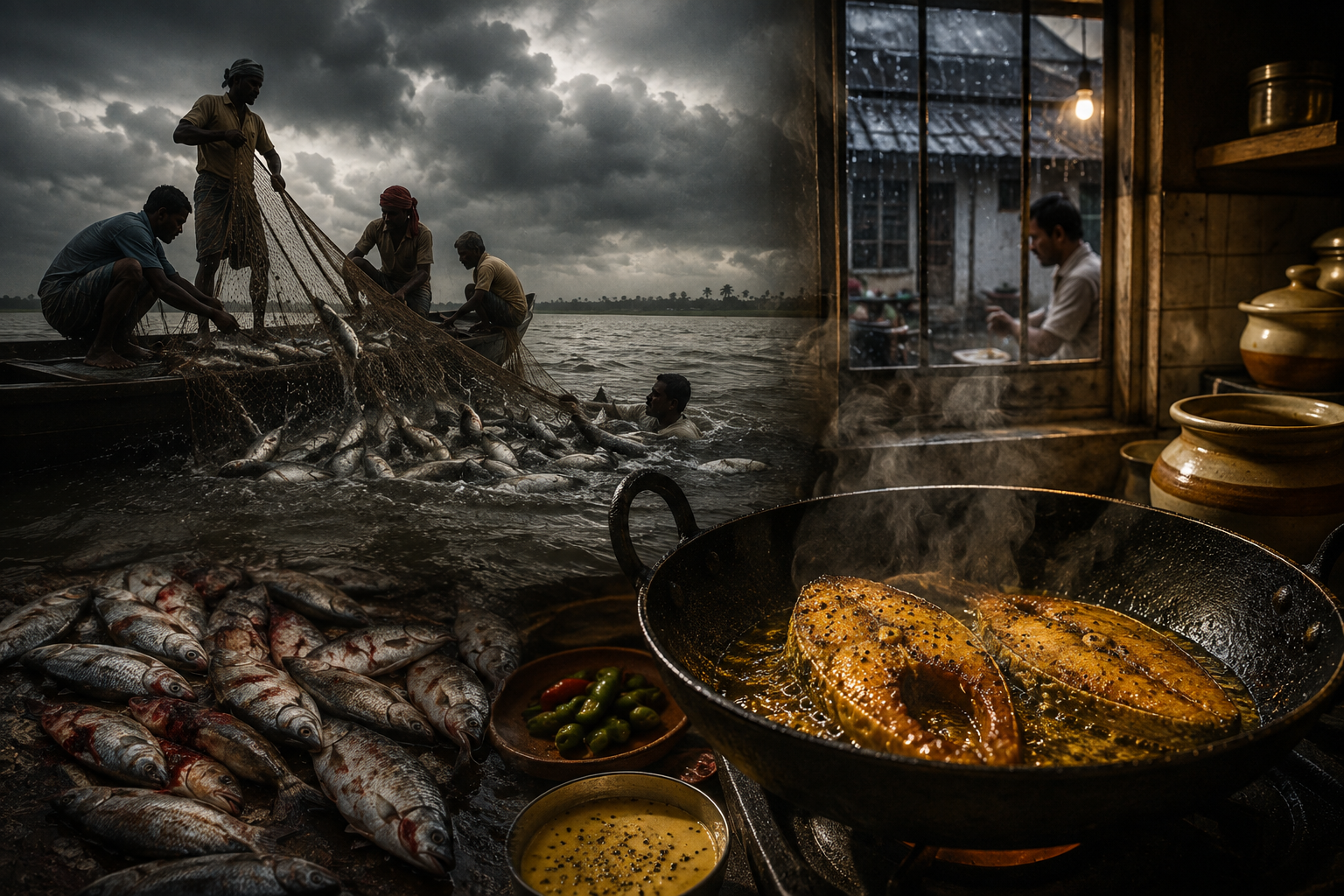
What makes the poem modernist rather than merely nostalgic is its refusal to resolve any of it. The river is beautiful. The catch is death. The kitchen is pleasure. Bose doesn't ask you to choose which one is true, because for a Bengali household during monsoon, they're all happening on the same plate. Hilsa in this poem is never just fish — it's geography, labour, memory, class, appetite, and, by the last line, identity.
Decades later, I can't read a translation of it as literature alone. Somewhere between the second stanza and the last, it stops being a poem and becomes a market stall, my father's hand closing around a fish, and a story he was already deciding to tell me before I knew to ask for it.
That is what a good poem does, in the end. It waits in a place you didn't expect — a fish market, a father's offhand remark — until one day it's the only thing you remember about the afternoon at all.
"বুদ্ধদেব বসু — ইলিশ
Buddhadeb Bose — Ilish (Hilsa)
আকাশে আষাঢ় এলো; বাংলাদেশ বর্ষায় বিহ্বল।
Ākāśe Āṣāṛh elo; Bāṃglādeś barṣāy bihbal.
Asharh has come to the sky; Bengal is enraptured, overwhelmed by the monsoon.
মেঘবর্ণ মেঘনার তীরে-তীরে নারিকেলসারি বৃষ্টিতে ধূমল;
Meghabarṇa Meghnār tīre-tīre nārikel-sāri bṛṣṭite dhūmal;
Along the cloud-dark banks of the Meghna, rows of coconut palms blur into the rain;
পদ্মাপ্রান্তে শতাব্দীর রাজবাড়ি বিলুপ্তির প্রত্যাশায় দৃশ্যপট-সম অচঞ্চল।
Padmāprānte śatābdīr rājabāṛi biluptir pratyāśāy dṛśyapaṭ-sam acañcal.
At the edge of the Padma, century-old mansions stand motionless, like a stage-set awaiting their disappearance.
মধ্যরাত্রি; মেঘ-ঘন অন্ধকার; দুরন্ত উচ্ছল আবর্তে কুটিল নদী;
Madhyarātri; megh-ghana andhakār; duranta ucchala ābarte kuṭil nadī;
Midnight; darkness thick with clouds; the crooked river twists in wild, turbulent eddies;
তীর-তীব্র বেগে দেয় পাড়ি ছোটে নৌকাগুলি;
Tīr-tībṛa bege dey pāṛi chhoṭe naukāguli;
The boats race across the water at fierce speed;
প্রাণপনে ফেলে জাল, টানে দড়ি
Prāṇapaṇe phele jāl, ṭāne ḍaṛi
With all their strength they cast the nets and haul at the ropes;
অর্ধনগ্ন যারা, তারা খাদ্যহীন, খাদ্যের সম্বল।
Ardhanagna yārā, tārā khādyahīn, khādyer sambal.
Those half-naked men, themselves without food, struggle to wrest their livelihood from the water.
রাত্রি শেষে গোয়ালন্দে অন্ধ বৃষ্টিভেজা ভোর
Rātri śeṣe Goālande andha bṛṣṭibhe jā bh or
At Goaland, after the night, comes a blind, rain-soaked dawn—
রূপালি ইলিশগুলি স্তূপে স্তূপে জমা হয়
Rūpāli iliśguli stūpe stūpe jamā hay
silver hilsa piled upon silver hilsa,
কাঠের ফ্রেমে-ফ্রেমে বাঁধা চরে,
Kāṭher phreme-phreme bāṃdhā care,
laid upon wooden frames on the char,
চকচকে আঁশ তারার মতন কাঁপে,
Chakchake āṃś tārār matan kāṃpe,
their gleaming scales trembling like stars,
পেটে তার জড়ো করা ঝিলমিল সমুদ্রের আলো,
Peṭe tār jaṛo kora jhilamil samudrer ālo,
their bellies holding the shimmering light gathered from the sea,
এ রূপালি শস্য যেন মেঘনার কূল থেকে কে এনে দিল ভালো!
E rūpāli śasya yena Meghnār kūl theke ke ene dil bhālo!
This silver harvest—who has so lovingly brought it here from the banks of the Meghna!
তারপর মানুষের ক্ষুধা—লোভ ও বাণিজ্য—
Tārpar mānuṣer kṣudhā—lobh o bāṇijya—
Then comes human hunger—greed and commerce—
নগর ও বাজারের পথে পথে তার সুবাস ছড়ায়,
Nagar o bājārer pathe pathe tār subās chhaṛāy,
its fragrance spreading along the roads to cities and markets,
বর্ষার মেঘে ও মনে ইলিশের আনন্দ জাগায়।
Barṣār meghe o mane iliśer ānanda jāgāy.
awakening, in the monsoon clouds and in the human heart, the joy of hilsa."
Note:(pics from internet for illustration only)

-SunheriSufi
Comments (6)