Aud sang syne-A cherished tradition!


As the clock strikes midnight and the world ushers in a new year, revelers around the globe will sing "Auld Lang Syne."The song's origins date back to an 18th-century Scottish ballad, with Auld Lang Syne eventually becoming a New Year's celebration staple.
“Auld Lang Syne” is more than just a song—it’s a cherished New Year’s Eve tradition,steeped with nostalgia and historians call it "the song nobody knows".
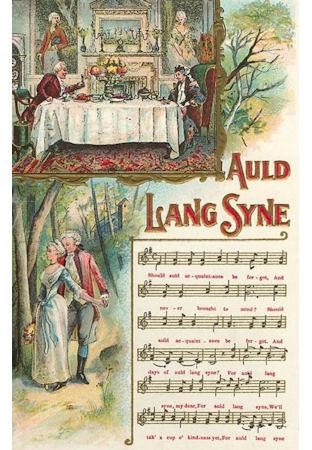
In the 19th century, the song became an integral part of the Scottish Hogmanay (New Year's Eve) festival. Celebrants traditionally sing it while standing in a circle, holding and crossing hands, symbolizing unity and the continuity of relationships across time. As Scots emigrated around the world, they carried this custom with them, integrating it into New Year celebrations in other countries.
Robert Burns,the Scottish poet was passionate about preserving the rich oral traditions of his homeland. With his poetic genius, Burns added verses that captured the longing for the past and the bonds that withstand the test of time. Originally penned in 1788 by Robert Burns, the melody for “Auld Lang Syne” was composed between 1799 and 1801 by George Thomson after Burn's death.
The familiar, simple pentatonic tune associated with the words was vital to its spread. A major turning point in solidifying the song's global status was the Canadian-born bandleader Guy Lombardo and his Royal Canadians. Beginning in 1929, the band played "Auld Lang Syne" at the stroke of midnight during a popular, nationally-broadcasted New Year's Eve radio show from the Roosevelt Hotel in New York City. The performance was repeated annually for decades on radio and later television, making it a universal New Year's anthem in North America and beyond.
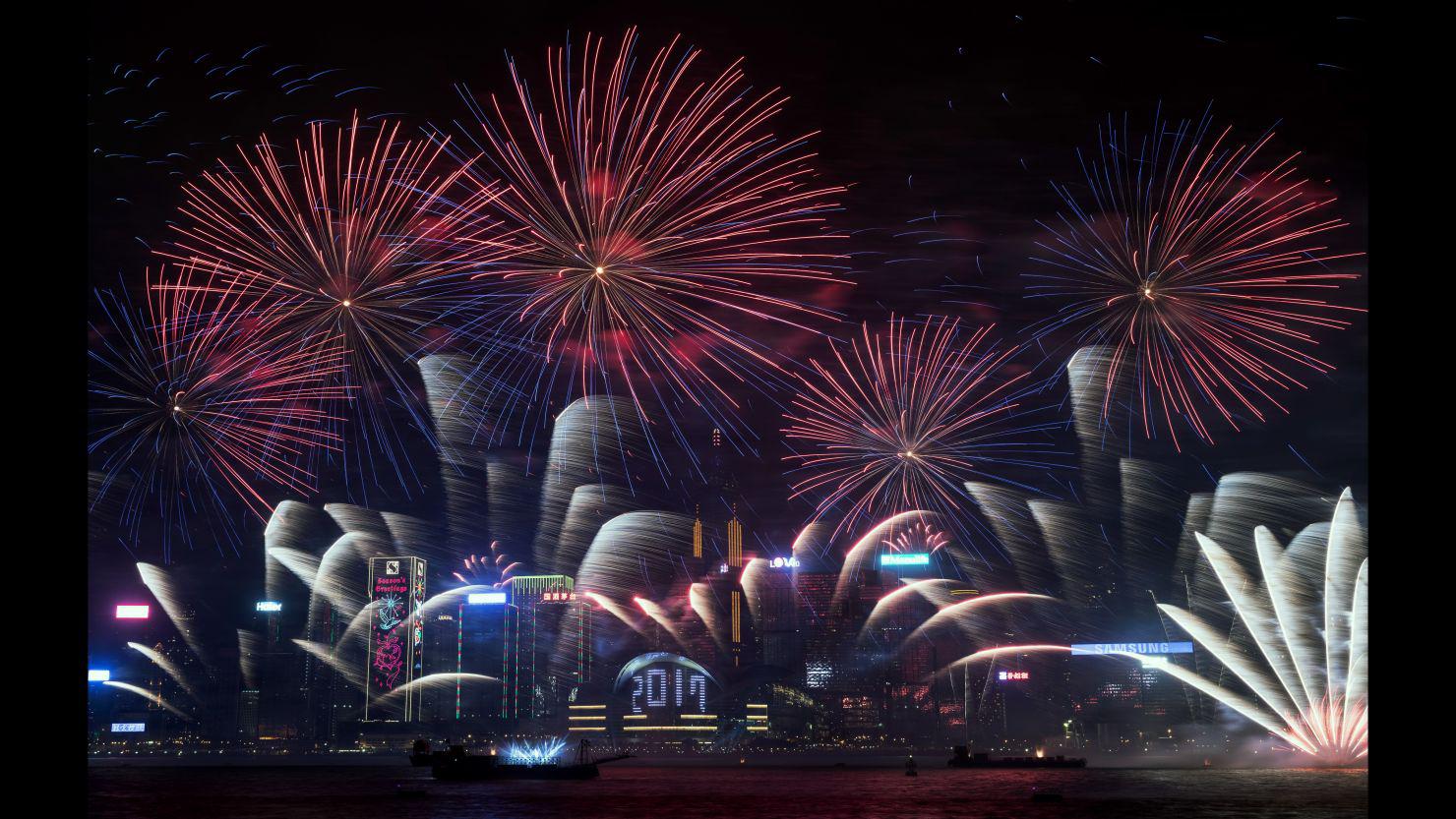
As we bid farewell to the old year and embrace the promise of a new one, we raise our voices in unison each New Year’s Eve, not only to bid farewell to the year gone by but also embrace the promise of new beginnings, carrying with us the warmth of shared memories and the anticipation of what lies ahead.
The enduring tradition of singing of "Auld Lang Syne," on new Year's eve has transcended cultures and generations, becoming a symbol of renewal, reflection, and friendship.
Should old acquaintance be forgot
And never brought to mind?
Should old acquaintance be forgot
In the days of auld lang syne?
For auld lang syne, my dear
For auld lang syne
We'll drink a cup of kindness yet
For the sake of auld lang syne
And surely, you will buy your cup
And surely, I'll buy mine!
We'll take a cup of kindness yet
For the sake of auld lang syne
We two who've paddled in the stream
From morning sun 'til night
The seas between us roared and swelled
Since the days of auld lang syne
For old acquaintance be forgot
And never brought to mind
Should old acquaintance be forgot
For the sake of auld lang syne?
For old acquaintance be forgot
And never brought to mind
Should old acquaintance be forgot
In the days of auld lang syne?
For auld lang syne, my dear
For auld lang syne
We'll drink a cup of kindness yet
For the sake of auld lang syne
--Robert Burns
Comments (7)