Baklava: An Empire You Can Eat!


Cut it on the diagonal and you get diamonds. Cut it straight and you get history — thirty, forty sheets of dough thinner than a rumour, stacked and drowned in syrup until the knife needs rinsing between slices. Baklava doesn't ask to be understood. It asks to be fought over, and for a few hundred years, it has been.
The trail starts with the Assyrians, around the eighth century BCE, layering flatbread with nuts for feast days. The Greeks and Romans followed with placenta — cheese and honey between sheets, bay leaf for scent. Trade did the rest: Greek sailors and merchants, moving between empires, are credited with thinning that dough toward the phyllo we'd recognise today — sheets you could read a love letter through.
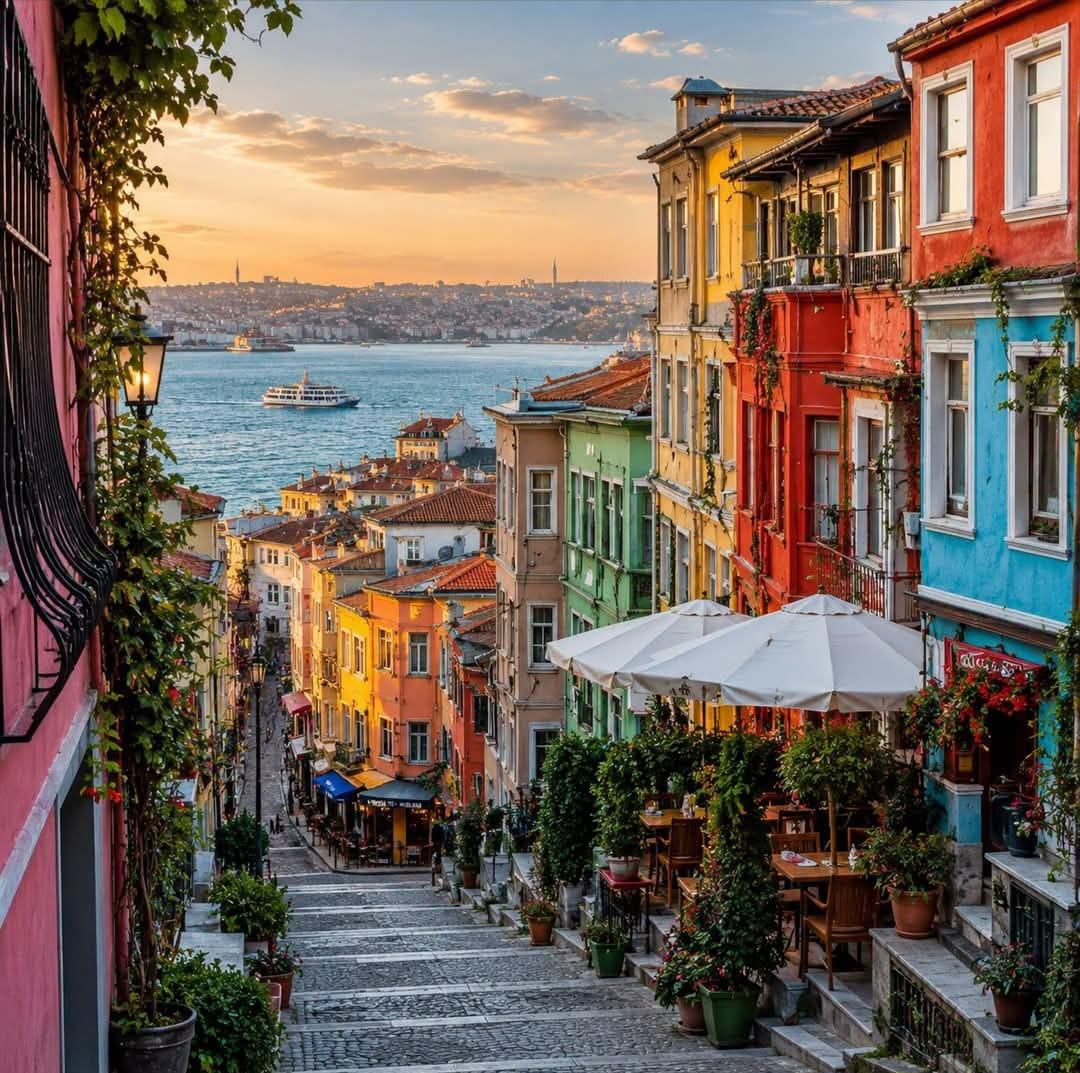
But the baklava we actually eat is a Topkapı Palace invention, perfected in the sultan's kitchens and reserved, at first, for royalty. It travelled the way empires travel — with soldiers, brides, and grief. Every Ramadan from the sixteenth century on, the sultan sent trays of it to his Janissaries in a formal procession, the Baklava Alayı, mehter bands keeping time as the soldiers marched to collect it. A military parade whose cargo is dessert — no empire since has managed that particular flex.
The word's earliest written trace belongs to a mystic, not a chef. Kaygusuz Abdal, a fifteenth-century Sufi dervish who gave up a princedom to wander as a beggar-poet, once catalogued trays of it by the hundreds in verse — some nut-filled, some, oddly, filled with lentils, a joke about the cost of good ingredients that has outlived most jokes by six centuries. A dessert this devotional starting with a man who'd renounced everything but appetite feels correct.
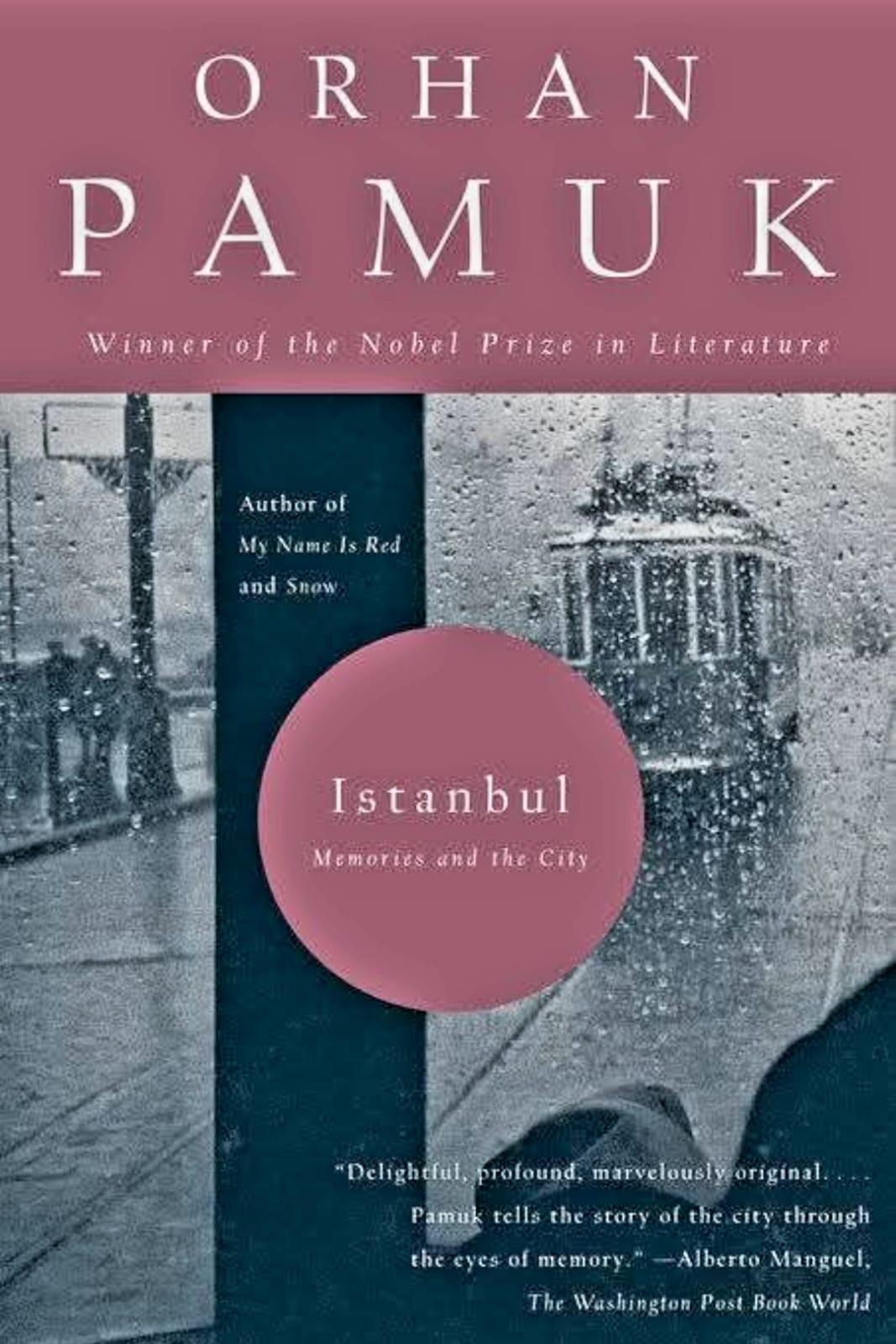
Orhan Pamuk never writes about baklava directly, as far as the record shows — but his Istanbul does the dessert's emotional work for it. His memoir Istanbul: Memories and the City builds itself around hüzün, the particular melancholy of living in a city amid the ruins of a lost empire. Baklava is that feeling, edible: a court dessert still made to the letter by a republic that buried the court. The sweetness outlasted the sultans. That's the hüzün of it, even if Pamuk himself never said so.The war nobody wins.
The Greek-Turkish quarrel went openly hostile in 2006, when Greek Cypriots claimed baklava as their own and Turkey called it theft with a fork. Turkey took it to Brussels, and in 2013 the EU granted Gaziantep — Turkey's pistachio capital — Protected Geographical Indication status. This year the fight moved to UNESCO, Turkey and Azerbaijan filing jointly for recognition, Greek MEPs countering with a Byzantine claim. The dessert still won't hold still long enough to be owned — which is, unglamorously, the truth of it: Assyrian, Greek, Ottoman, Persian, and by now everyone's.
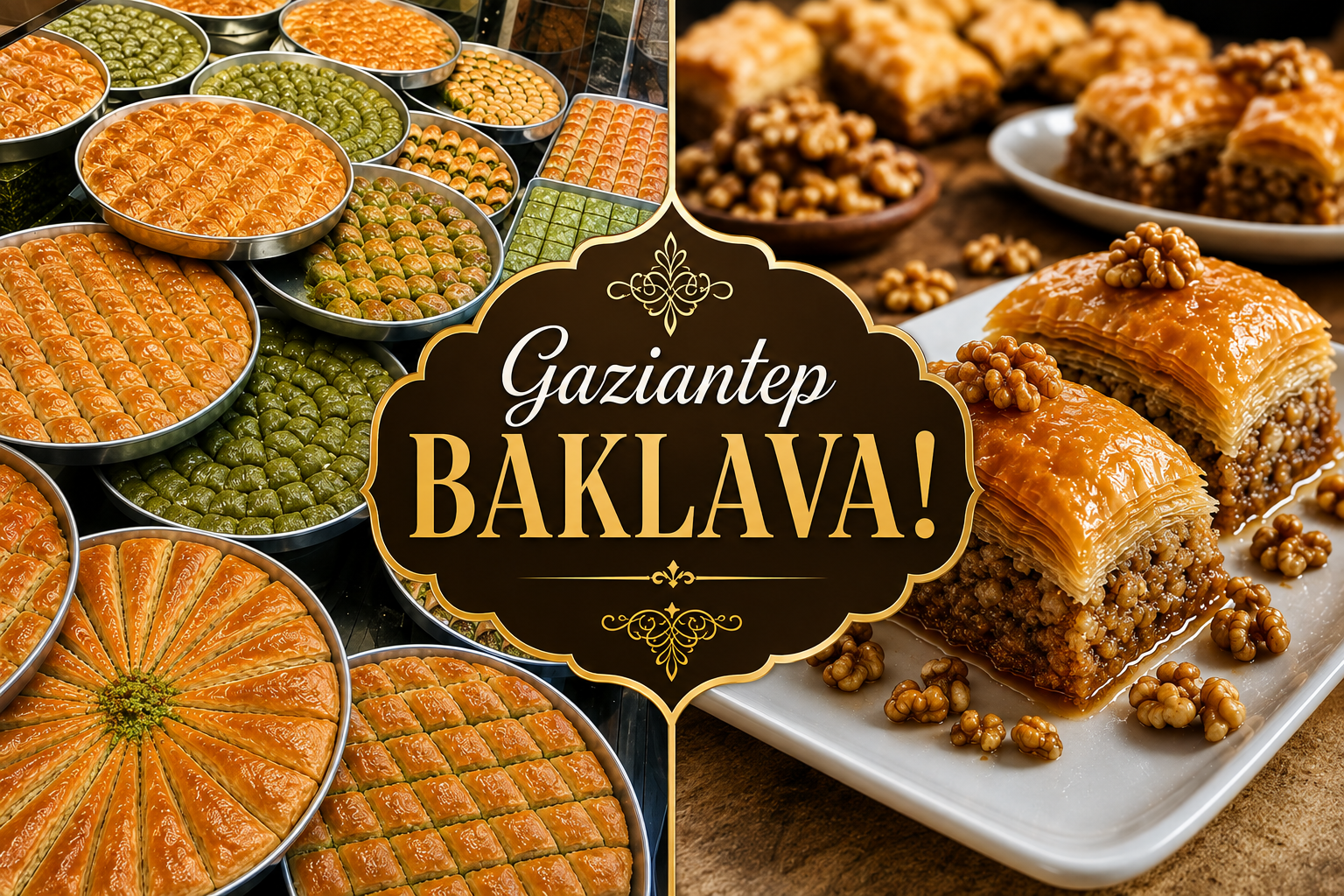
One dessert, a dozen accents Cross a border and the syrup changes key. Bulgaria, Macedonia, Serbia keep it plain — walnut, simple syrup. Armenia folds in cinnamon and clove. Jordan and Lebanon stay lean. Israel throws in everything. Gaziantep insists on Antep pistachio alone, the way a jeweller insists on provenance. Each is a regional accent on the same sentence.Religion moved in just as easily. Greek baklava is traditionally cut into thirty-three pieces, one for each year of Christ's life. It shows up at Ramadan and Eid, at Pascha and Christmas — indifferent to which faith is celebrating, which may be the most quietly ecumenical thing about it.
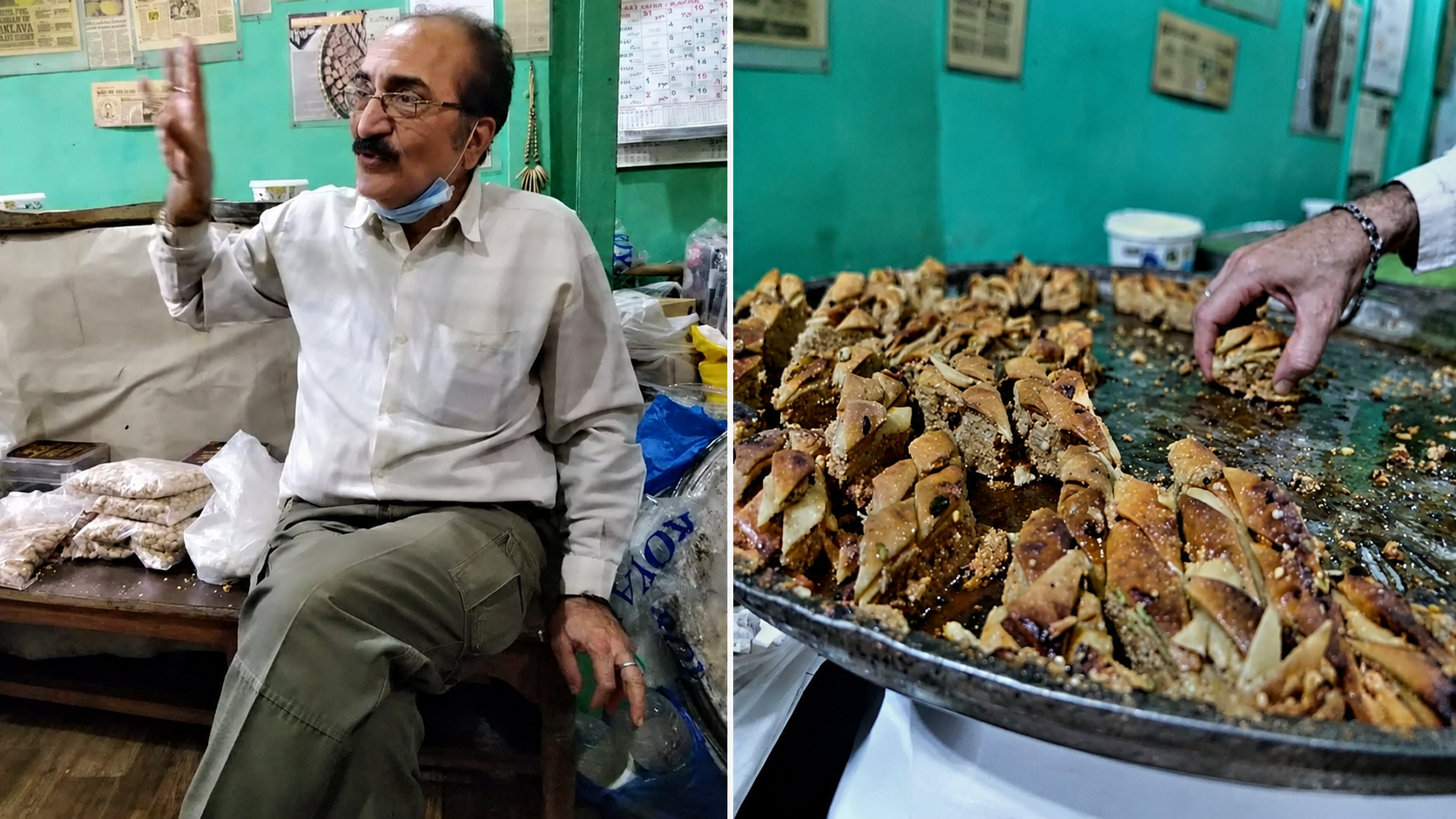
A shop that opens once a year, off a road in Bombay.Its most improbable outpost isn't the Balkans or the Levant — it's a lane off Mohammed Ali Road in Mumbai's Bhendi Bazaar, in a shop a Yazdi migrant, Haji Ghulam Ali, bought for thirty rupees in 1909. He called it Iranian Sweets Palace, made baklava in copper pans, and passed it down through his son to his grandson, Hassan Irani, who still opens the shutters for only a few weeks a year, timed to Nowruz. A hundred and sixteen years, and the shop still keeps Persian time rather than Gregorian — a small, stubborn act of memory wearing the disguise of a sweet shop.
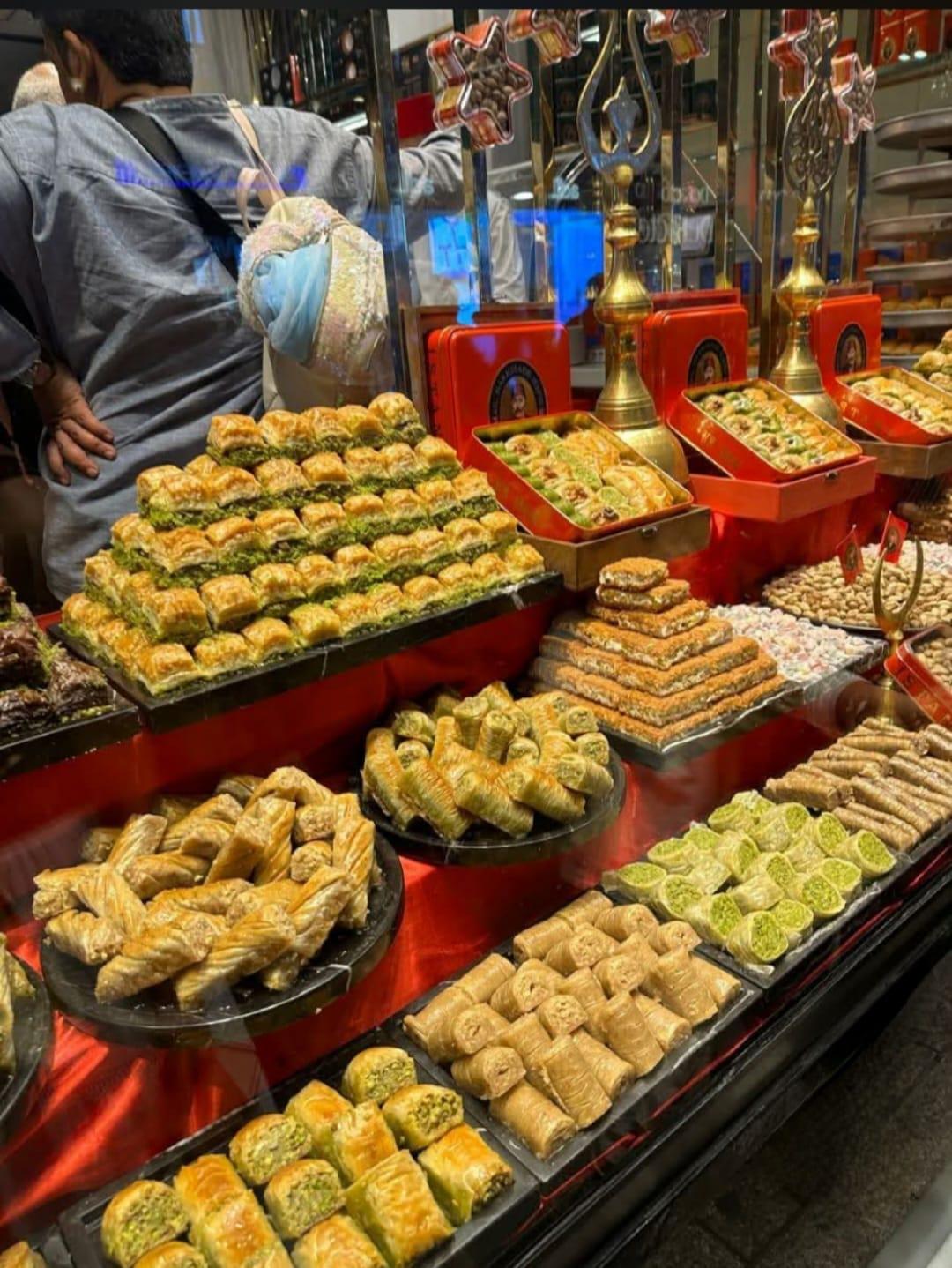
What it tastes like in a sentence Diana Abu-Jaber built a literary language around this dessert — a memoir named for it, a novel in which making baklava becomes her parents' marriage, choreographed in phyllo. Ram Dass reached for it to describe presence itself: each moment rich the way baklava is rich, one layer folding into the next. Even the mystics keep circling back to the tray. Yotam Ottolenghi, more recently, helped convince the West that Middle Eastern desserts weren't a niche — pistachio and rosewater earning the same table as chocolate and vanilla, baklava riding in alongside.
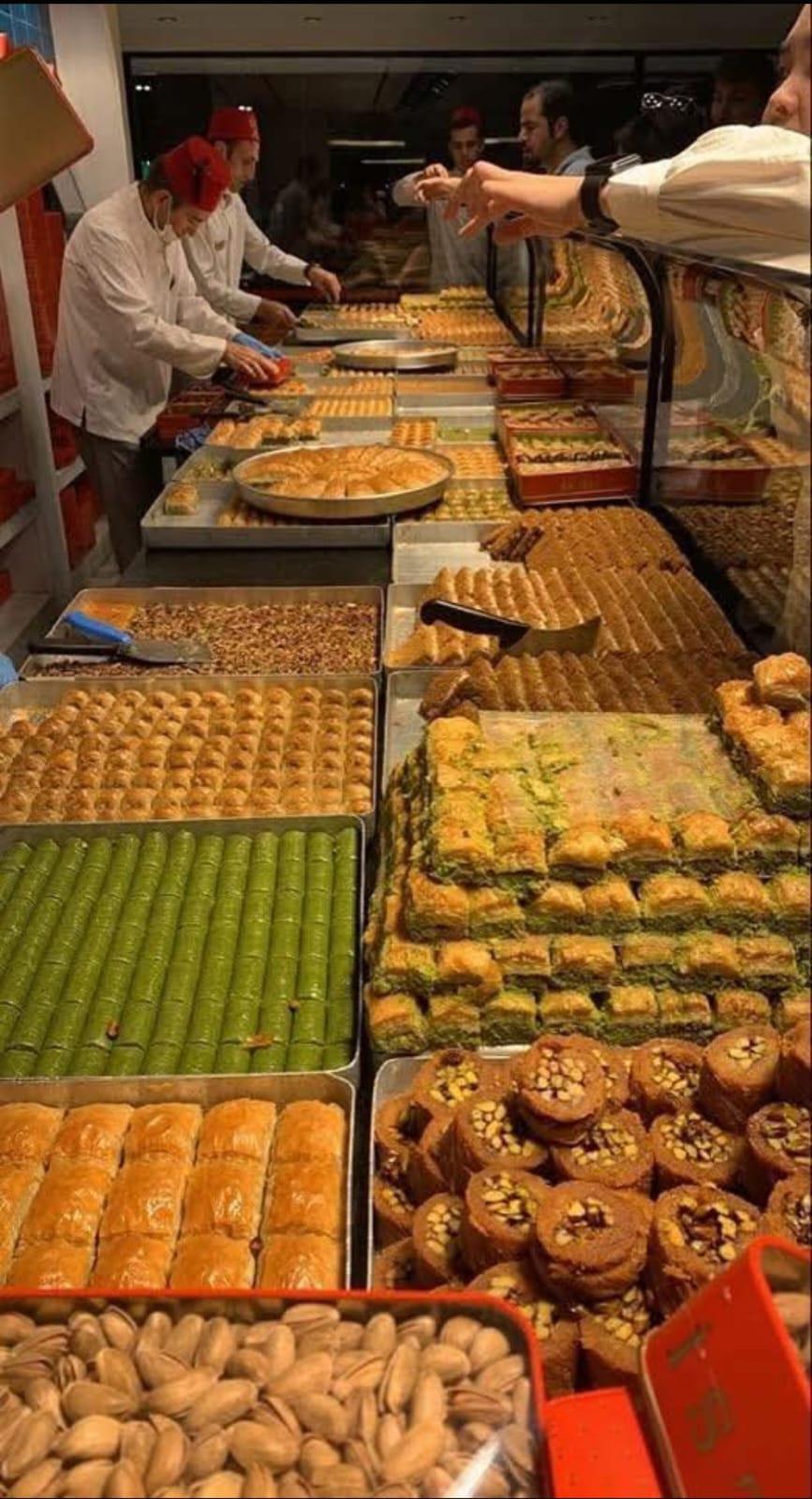
The moral, stated plainly Baklava survives because it was never loyal to one empire, one faith, or one flag — and that disloyalty is its real inheritance. A dessert claimed by everyone belongs, in the end, to whoever is patient enough to make it. That ratio, of labour to a four-bite mouthful, is the actual history. Everything else is garnish.If you mark food holidays, November 17th is National Baklava Day. But you didn't need the calendar's permission. You never do, for something this good.
Note:(pics from internet for illustration only)

-SunheriSufi