Bhubaneswar: The City That Exists in Three Times at Once!


There are cities you visit, and then there are cities that rearrange how you see time. Bhubaneswar belongs to the latter. At first glance, it appears like any fast-growing Indian city—traffic thickening at intersections, glass façades catching the evening light, cafés humming with young professionals. But spend a day here—move slowly, attentively—and something unusual reveals itself. This is not one city.It is three, layered gently over one another, each still alive.
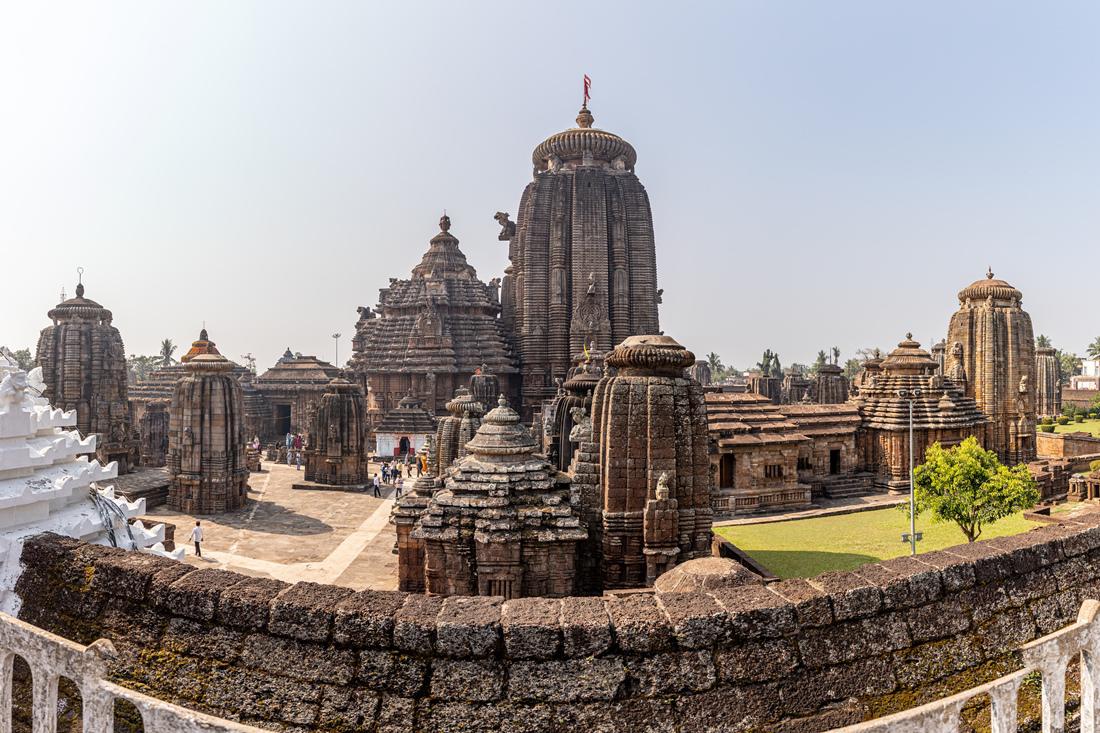
Morning:Where Time Circles Back, The day begins in the old town, where Bhubaneswar has always been what it is now—sacred. As the first light touches the stone spire of Lingaraj Temple, the city is already awake. Not in the hurried, caffeinated way of modern life, but in rhythm, Bells ring. Incense lifts into the air. Flower sellers arrange marigolds with quiet precision. The streets here do not follow logic. They curve, narrow, open unexpectedly into temple courtyards or water tanks. You don’t navigate by maps—you move by memory, by sound, by instinct. Time does not pass here. It returns. For centuries, this part of Bhubaneswar has organized itself around ritual. Life is not scheduled; it is aligned. The sacred is not separate from the everyday—it is the everyday And without realizing it, you slow down.
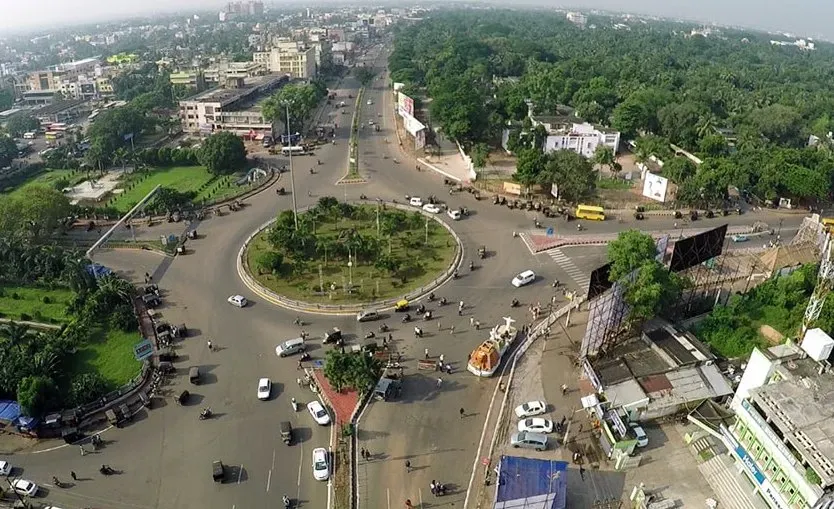
Afternoon: Where the City Thinks A short drive away, the Bhubaneswar of the 20th century emerges—measured, deliberate, composed. Planned in the early years after independence, this part of the city reflects a different kind of aspiration. Not spiritual continuity, but civic clarity,Roads widen. Neighborhoods organize themselves into sectors. Parks, schools, and markets fall into place with quiet efficiency. Here, the city feels legible.This was a vision of modern India as something that could be designed—rational, breathable, humane. The chaos of older cities was not rejected, but gently countered with order. There is a certain calm in this predictability. Life moves in straight lines: work, home, errands, rest. The environment supports it. If the old town asks you to surrender, this part of Bhubaneswar asks you to think.
Evening: Where the City Accelerates By evening, the city has shifted again.In the northern stretches—Patia, Chandrasekharpur—the pace quickens. Office lights flicker on Cafés fill. Conversations slip easily between Odia, Hindi, English. Screens glow everywhere.This is Bhubaneswar as it is becoming Tech campuses rise behind glass and steel. Apartment complexes stack life vertically. Roads are wider, but busier. The city here is plugged into something larger—an economy, a network, a future that is constantly updating itself. And with it comes a different energy: ambition People here are not anchored in the past or even the present. They are oriented forward—toward careers, opportunities, possibilities. It is exciting. It is restless. And it is unmistakably contemporary. A City That Refuses to Replace Itself.What makes Bhubaneswar remarkable is not that it has changed—but how it has changed. Most cities evolve by erasure. The old gives way to the new. Memory is replaced by infrastructure. Identity is streamlined.
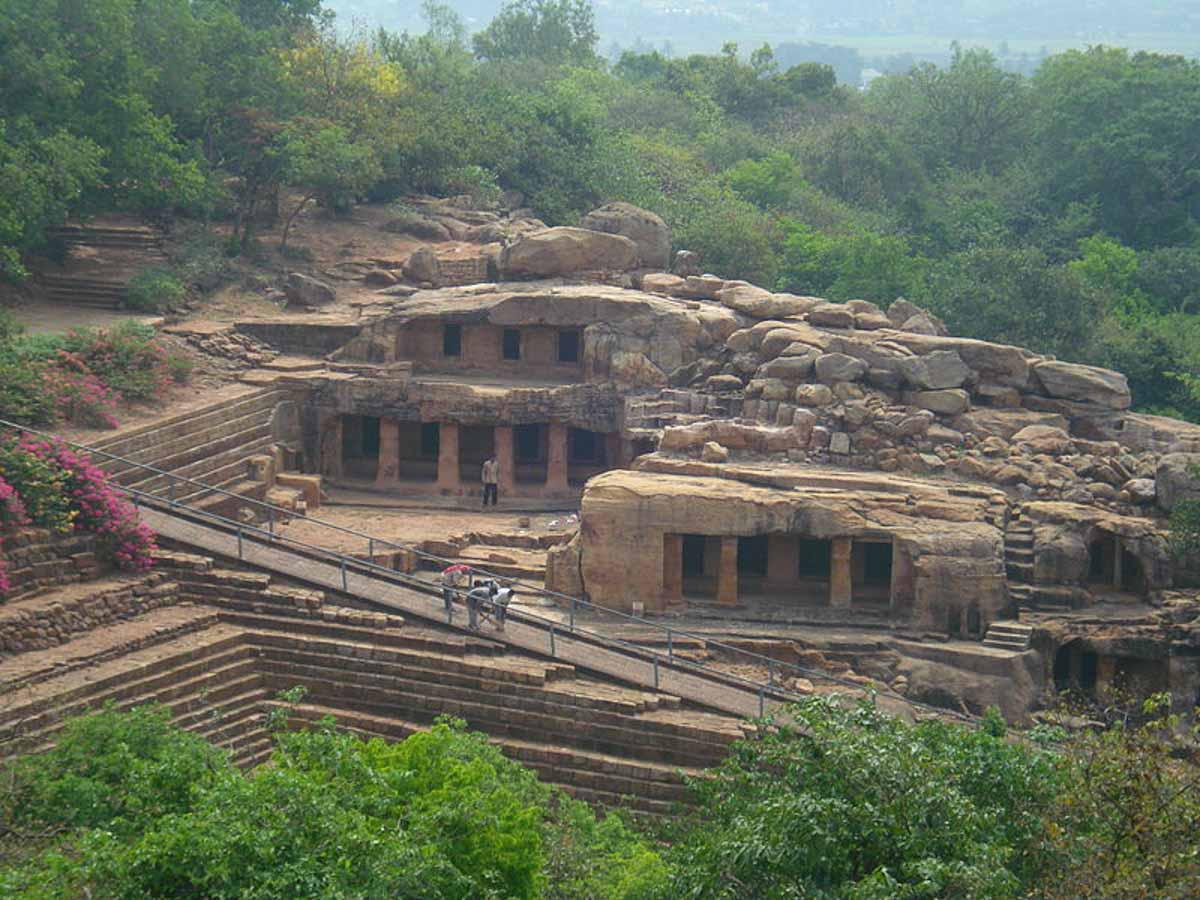
Bhubaneswar does something subtler,It layers. The temple town was not demolished to make way for the capital.The planned city did not disappear with the rise of the IT corridor. Each remains intact, even as the others grow around it.The result is not seamless. There are tensions—between old and new, between sacred rhythms and economic urgency, between planning and sprawl. But there is also a rare coexistence.
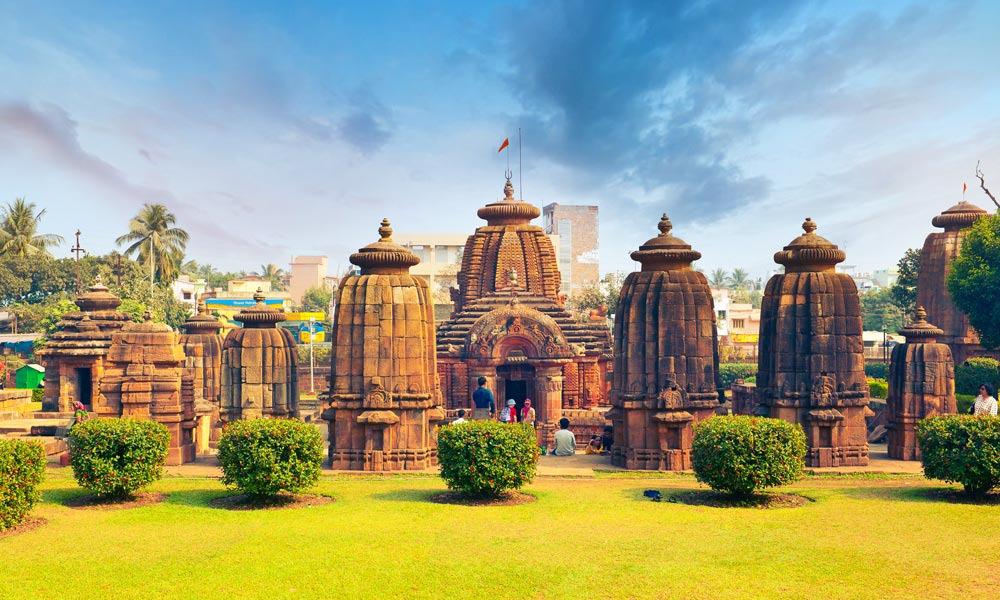
The City as a Mirror Spend enough time moving through these three Bhubaneswars, and the experience begins to feel familiar in an unexpected way. Because the city is not just external. It reflects something internal. There is a part of us that is like the old town—quiet, rooted, unchanged by time. A part that seeks meaning, not speed. There is another part that resembles the planned city—organizing, structuring, trying to make sense of life through clarity and control. And then there is the restless self—the one that lives in the new city. Wanting, striving, becoming.We move between these states every day, often without noticing.
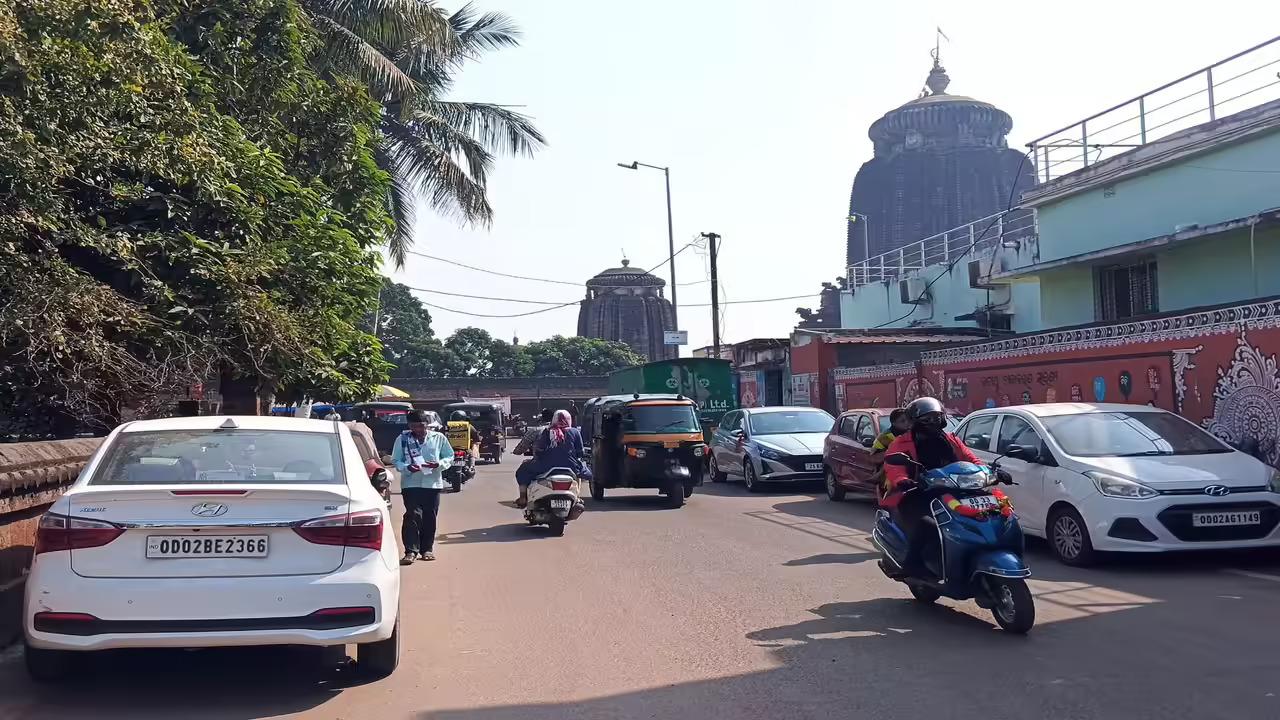
Bhubaneswar simply makes the movement visible.The Real Journey To experience Bhubaneswar fully is not to see its monuments or its markets, but to notice its transitions.To feel the shift from stillness to structure to speed.To recognize which part draws you in—and which part unsettles you.And perhaps, in that noticing, to understand something quieter:That growth does not always mean leaving something behind.Sometimes, it means learning how to hold everything at once.Bhubaneswar does not ask you to choose between past and future.It asks you to stand in the space where both exist—and to see what that does to you.
Comments (7)