Dattatreya the eternal Teacher!


Dattatreya is a revered Hindu deity, a yogi, and a philosopher regarded as the combined manifestation of the divine trinity of Brahma, Vishnu, and Shiva. Also known as Datta Guru, he is considered the Adi Guru, or first teacher, and his teachings emphasize detachment and self-realization. Several Upanishads are dedicated to him. One of the most important texts of Hinduism, namely Avadhuta Gita (literally, "song of the free soul") is attributed to Dattatreya.
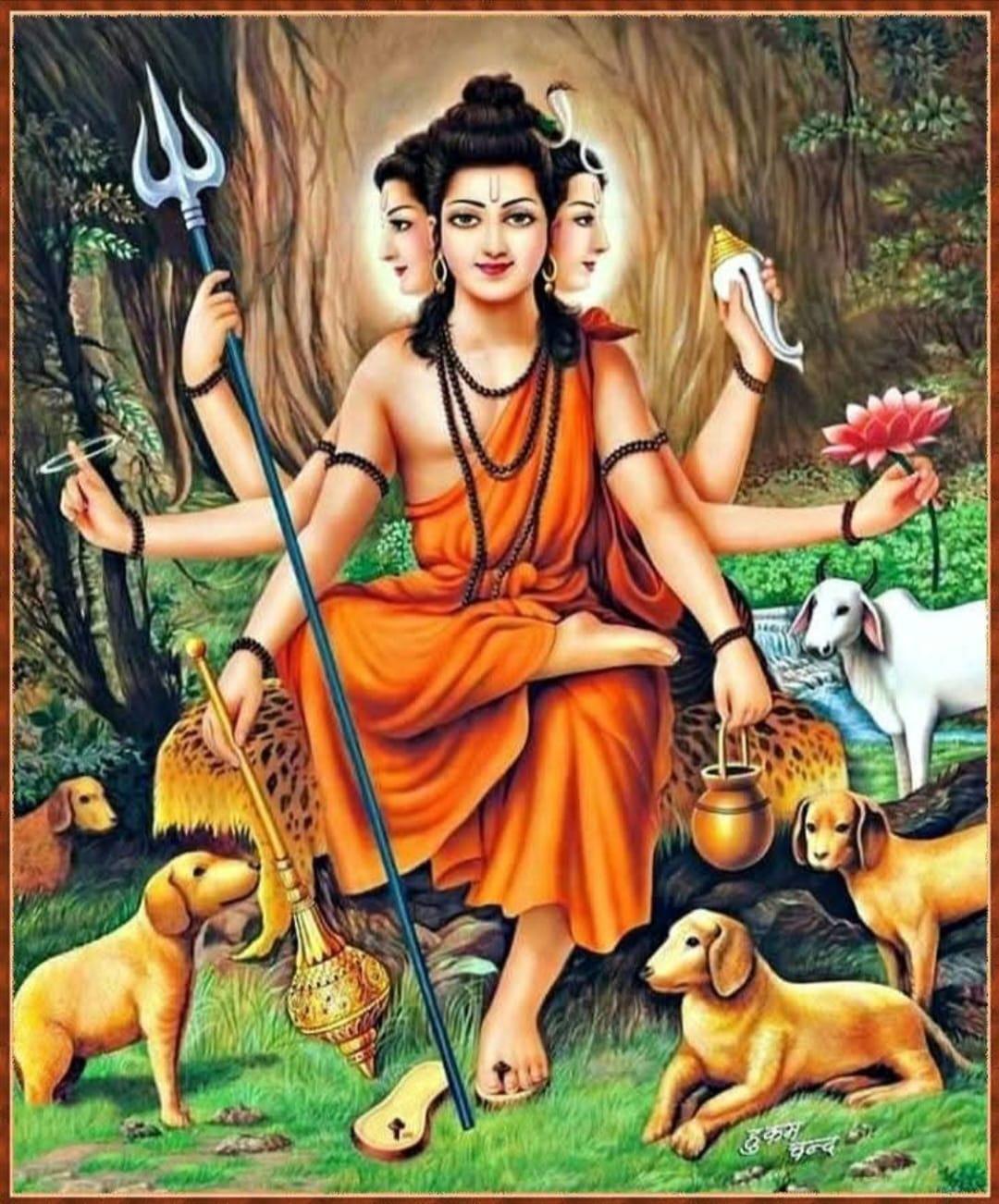
A sage born of the earnest prayers of Sage Atri and his devoted wife Anasuya. Blessed by the Trinity themselves—Brahma the creator, Vishnu the preserver, and Shiva the destroyer—Lord Dattatreya graced the earth to illuminate the path of righteousness and spiritual enlightenment. His core philosophy, particularly in the Advaita Vedanta school of thought, emphasizes achieving liberation (moksha) by detaching from material possessions and recognizing the oneness of the individual soul (Atman) with the supreme reality (Brahman).
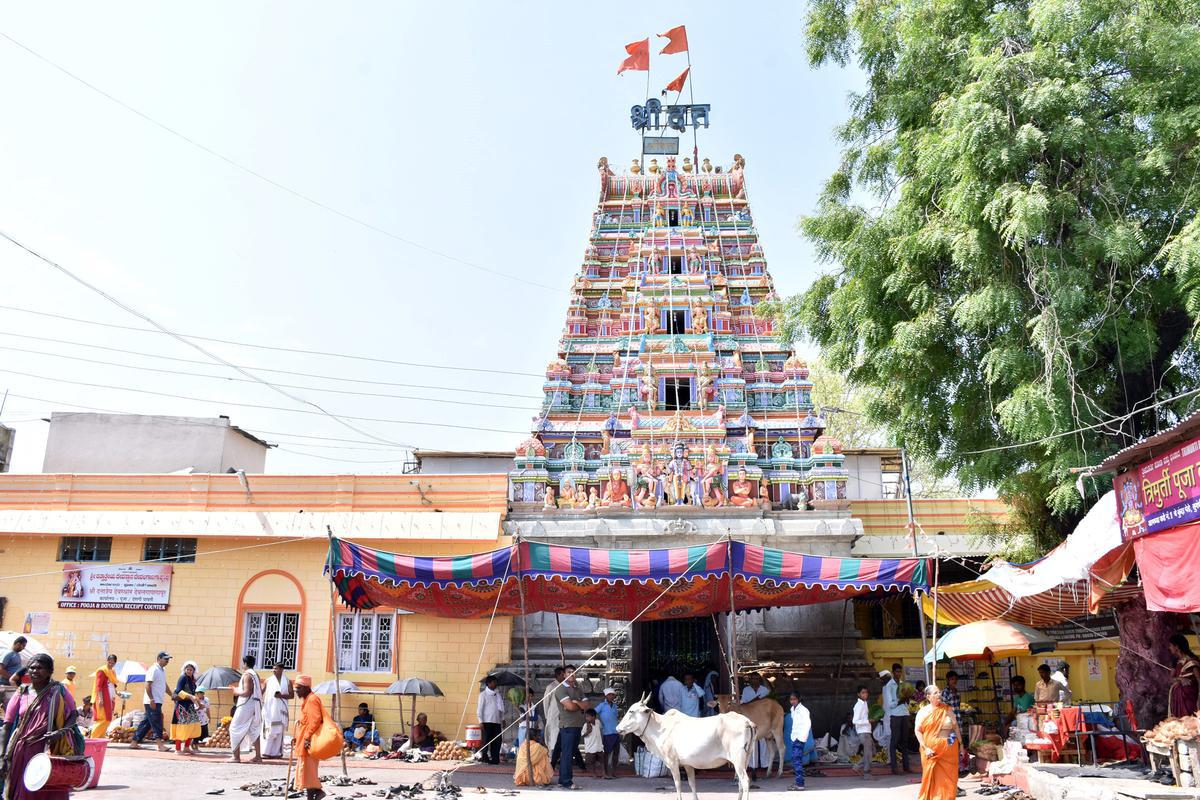
(Gulbarga Dattatreya Temple)
Dattatreya had 24 gurus from whom he learned profound spiritual lessons. These weren't human teachers but aspects of nature and other beings, such as the earth (for patience), the ocean (for composure), and the wind (for unattachment). Dattatreya's teachings reveal that wisdom can be found in all aspects of life, reinforcing the idea of a universal, interconnected consciousness. As a young man, Dattatreya was absolutely free from intolerance or prejudice of any kind. He learnt wisdom from whatever source it came.
(Ganagapur Dattatreya Temple)
He had the rays of the Tri-Murtis, and was a 'mahan Jnani',so rishis and ascetics worshipped Him and he was always followed by a great multitude of people. Dattatreya tried to get rid of them, but His endeavours were all in vain. Once he entered a river for bathing and did not come out of it for three days. He entered into Samadhi inside the water. On the third day, he came out, and found that the people were still sitting on the banks of the river awaiting his return.
So he adopted another plan by creating a beautiful girl and a bottle of wine out of His Yogic power. He came out of the waters holding the girl in one hand and the bottle of wine in the other. The people who were waiting were disillusioned with this image and they left him finally.
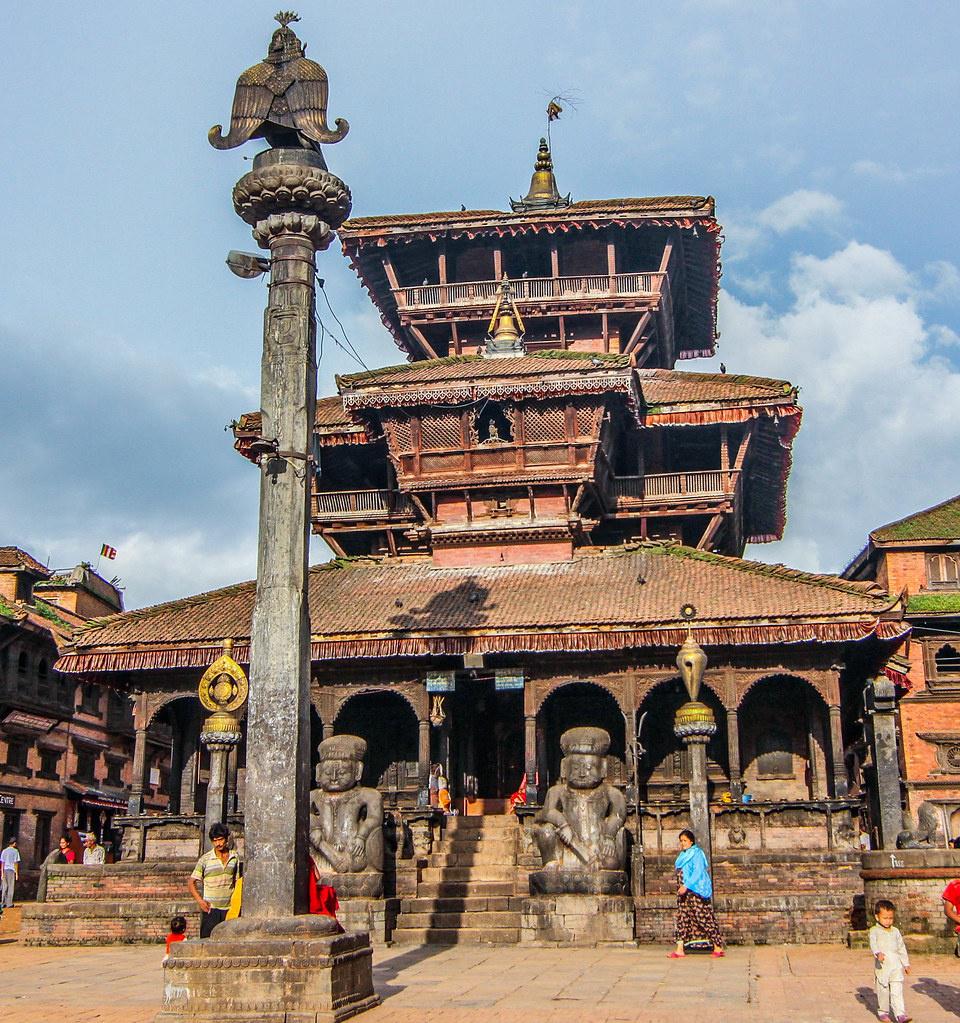
(Bhaktapur Dattatreya Temple)
There is a remarkable story about Lord Dattatreya’s meeting with King Yadu, a noble ruler in search of spiritual guidance. Recognizing Yadu’s genuine quest for knowledge, Lord Dattatreya appeared before him as a wandering ascetic with a unique appearance—adorned with sacred threads, a begging bowl, and surrounded by four dogs.
Intrigued by Lord Dattatreya’s unusual appearance and demeanor, the King sought to understand the purpose of his distinctive attributes. Dattatreya began sharing his profound wisdom with Yadu, illustrating the principles of truth, righteousness, and detachment from worldly attachments.
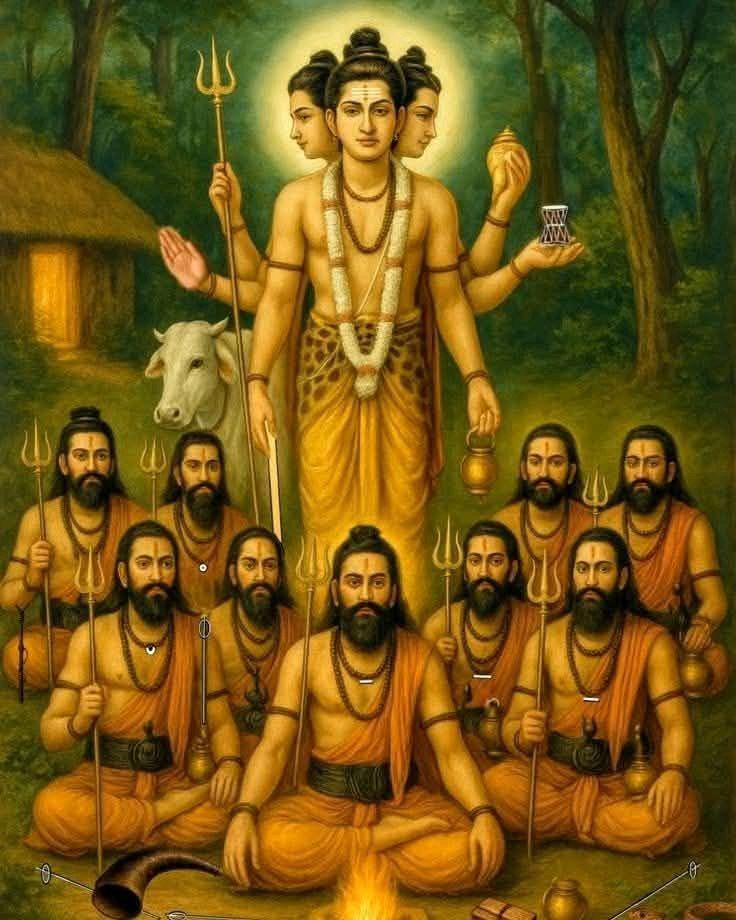
During their conversation, Lord Dattatreya elaborated on the thirty-six principles of truth (Tattvas) that govern the universe, offering Yadu invaluable insights into the cosmic order and the essence of spiritual enlightenment. Dattatreya is typically depicted with three heads and six hands, each representing the combined attributes of the divine trinity.
Three heads: Symbolize the creative, preservative, and destructive powers of Brahma, Vishnu, and Shiva. They also represent the three gunas (qualities of existence): Sattva, Rajas, and Tamas.Six hands: Each pair of hands holds the symbolic items of one of the three gods:
- Conch and discus: Belonging to Vishnu.
- Trident and drum: Belonging to Shiva.
- Water pot and rosary: Belonging to Brahma.
Four dogs: Represent the four Vedas, the sacred scriptures of Hinduism, which are the source of all knowledge and truth. Cow: Symbolizes the sacred cow Kamadhenu, representing the nourishing and fulfilling aspect of Mother Earth. Dattatreya is revered across various Hindu traditions, including the Nath Sampradaya, which views him as an avatar of Shiva, and the Mahanubhava tradition.
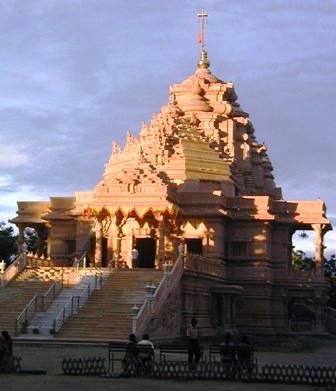
(Ahmednagar Dattatreya Temple)
Over time, Dattatreya has inspired many monastic movements in Shaivism, Vaishnavism, and Shaktism, particularly in the Deccan region of India, Maharashtra, Gujarat, Madhya Pradesh, Rajasthan and Himalayan regions where Shaivism is prevalent.
His pursuit of simple life, kindness to all, sharing of his knowledge and the meaning of life during his travels is reverentially mentioned in the poems by Tukaram, a saint-poet of the Bhakti movement.
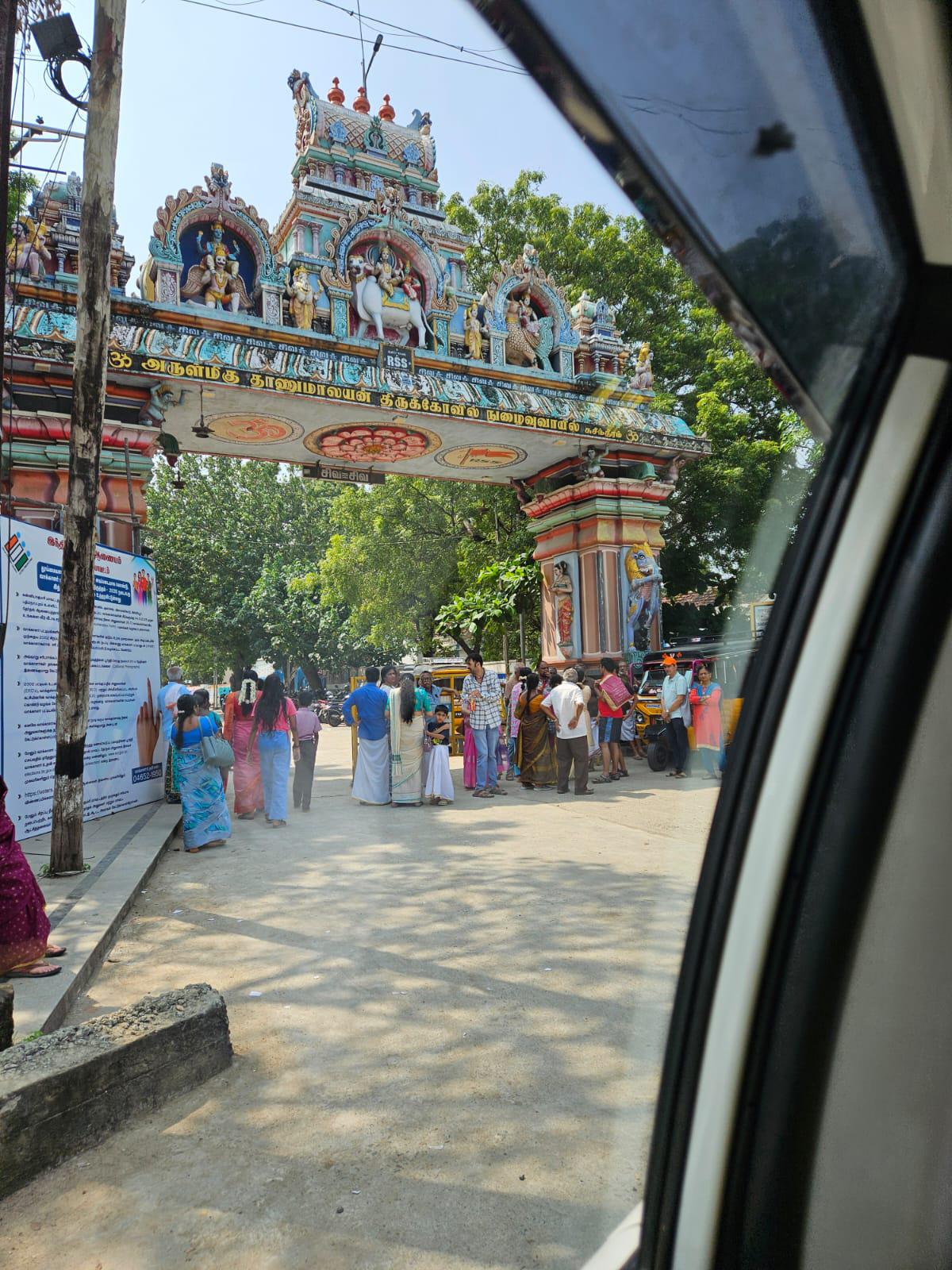
(suchindram Dattatreya Temple)
Datta's incarnation has a unique feature that is not seen in other incarnations. While other incarnations return to their original abode as soon as their respective tasks of incarnation are completed, Dattatreya's incarnation remains permanently on Earth as Guru Murti, exerting an eternal influence. Several prominent saints, including Shirdi Sai Baba and Swami Samarth, are considered incarnations of Dattatreya.
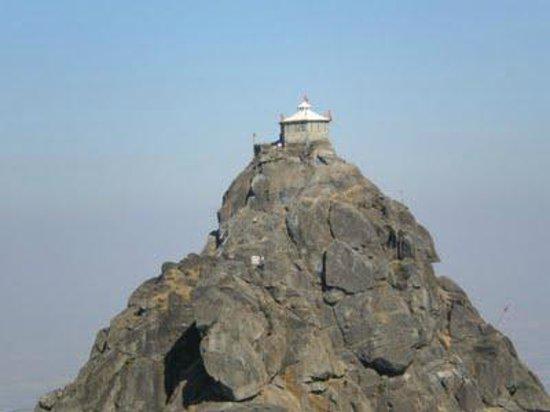
(Junagadh Dattatreya Temple)
Datta Jayanti is celebrated on the full moon day of the Hindu lunar month of Mārgaśīrṣa.'Om Dram Dattatreyaya Namaha' meaning I bow down to Lord Dattatreya, who embodies the essence of creation, preservation, and transformation. SREE KSHETRA SUCHEENDRAM IS THE MOST POWERFUL SECRET KSEHTRA OF LORD DATTATREYA due to the hermitage of sage Atri and Anasuya and the temple is dedicated to the divine Trimurti. Datta temples are also in Girnar (Gujarat), Mahur (Maharashtra), Ganagapur (Karnataka), and Karanja (Maharashtra), which are considered major pilgrimage sites.
Comments (7)