Mata Kalika:When the Sangeet Martand Called Upon the Dark Mother!


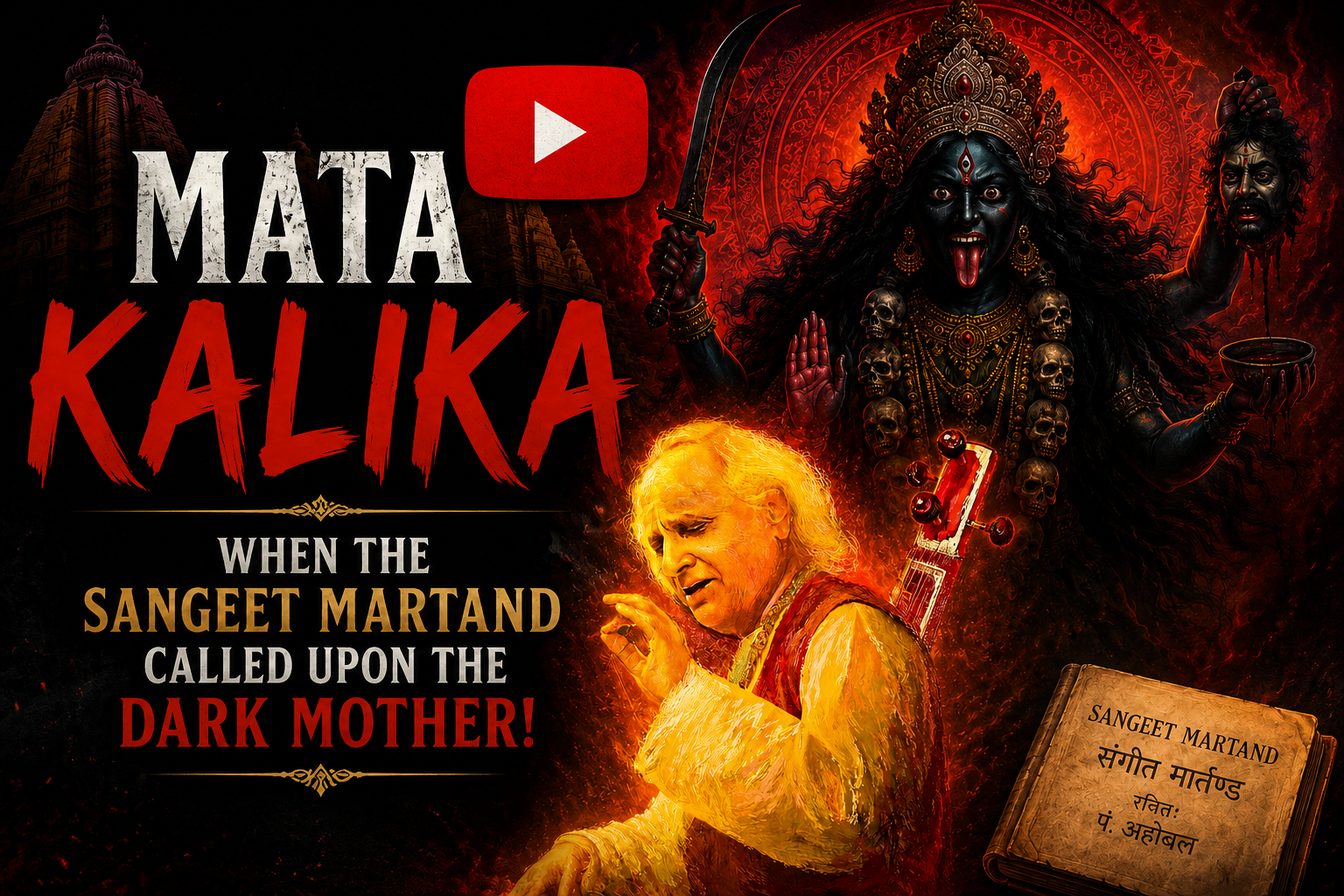
(click here to listen)
The goddess Kali does not wait to be invited — and neither does this composition. Mata Kalika does not ask for your reverence. It arrives, assumes it, opens a door, and steps aside. Pandit Jasraj composed it the way one might light a lamp in a room that was never actually dark.
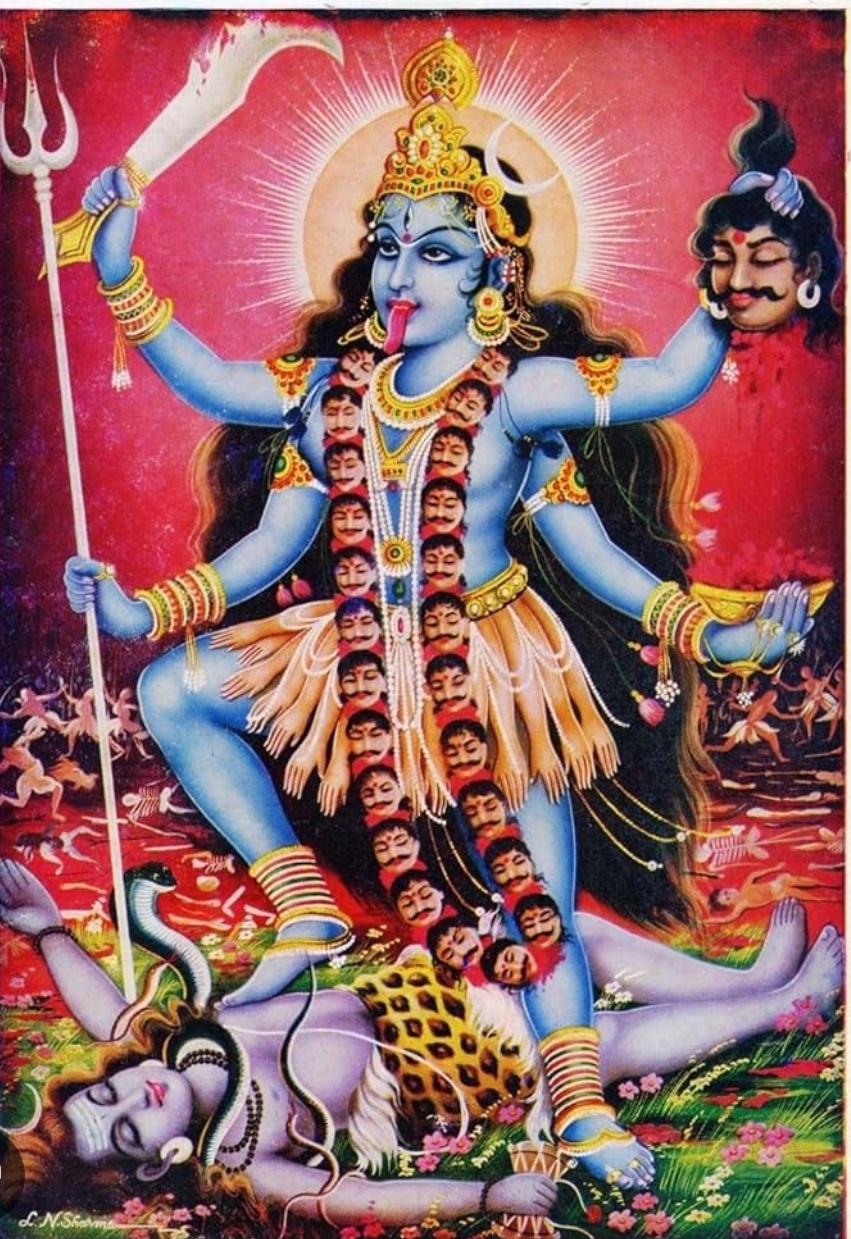
Most devotional music approaches the divine with the supplicant's posture — hands folded, voice gentle, the plea of a child at a mother's feet. This composition does something altogether different. From the first utterance of Mata Kalika Mahakal Maharani, the voice doesn't petition the goddess — it becomes the space into which she descends.
This is not coincidence. It is architecture.
The Raga as Sacred Container. The composition is set in Raga Adana, cast in Teental — the sixteen-beat cycle that, in Hindustani classical tradition, carries the weight of the complete, the total, the cosmically sufficient. Adana is a raga of the late night, of the hours when the thin membrane between worlds grows permeable. While it shares a higher-octave resonance with Raga Darbari, Adana is distinct in its own right — fiercer, less ruminative, carrying a quality of urgency that Darbari, the raga of courts and kings, never quite possesses.
For a composition invoking Kali — who stands outside courts, outside kingdoms, outside the orderly management of time itself — Adana is precisely right.
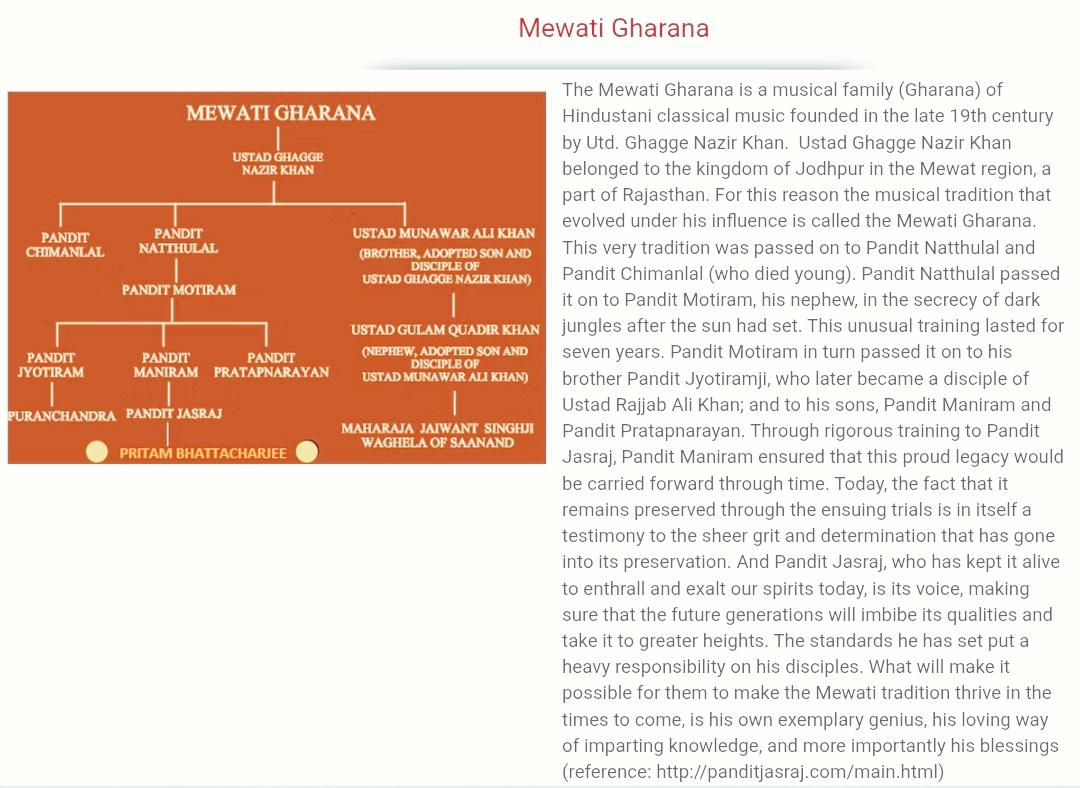
Pandit Jasraj understood this with the instinctive certainty of a man who, as the Mewati gharana's greatest torchbearer, treated every note as an offering and every performance as a sacred communion. The choice of raga was never merely musical. It was theological. The lyrics are a grammar of terror and Grace. The sthayi — the refrain that anchors the composition — states its case with the economy of absolute truth:
"Mata Kalika Mahakal Maharani
Jagata Janani Bhavani Bhavani Bhavani"
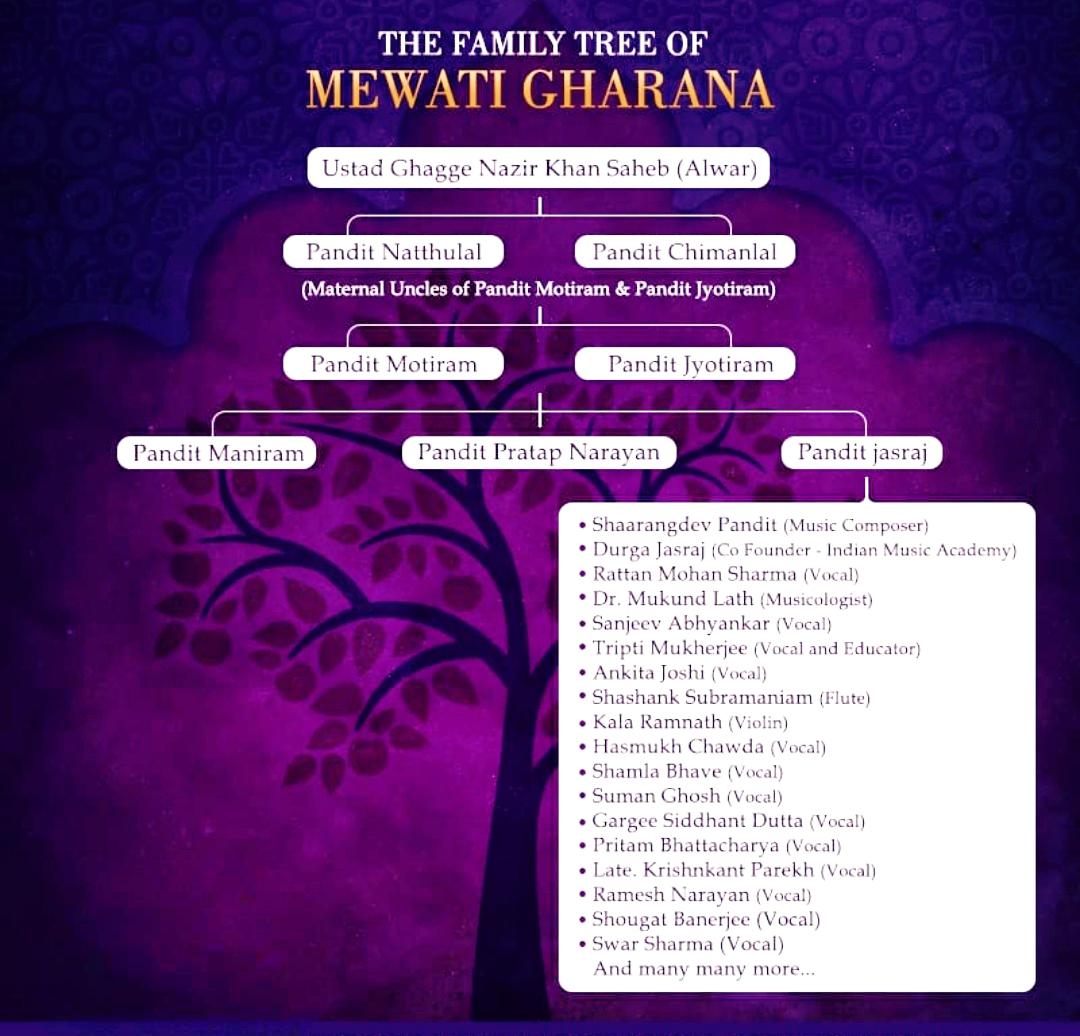
Mother Kalika. Queen of Mahakala, of time beyond time. Mother of the world. Bhavani — three times, the triple utterance that in Sanskrit functions less as repetition than as deepening, as a drilling down through layers of meaning to the root.The antara — the ascending verse — breaks open what the refrain held compressed:
"Khadaga Moond Khappara Kara Dharani
Asura Harani Jaga Nirbhay Karin".
She who holds the sword, the severed head, the skull-cup. Destroyer of the asuras. She who makes the world fearless.This is the theological precision at the heart of Kali's iconography: the terror and the liberation are the same act. The sword that severs also frees. The skull-cup that horrifies also nourishes. Jaga Nirbhay Karin — she who makes the world without fear — can only do so because she herself is without limit, without the softening concessions that make lesser deities more comfortable to look at.
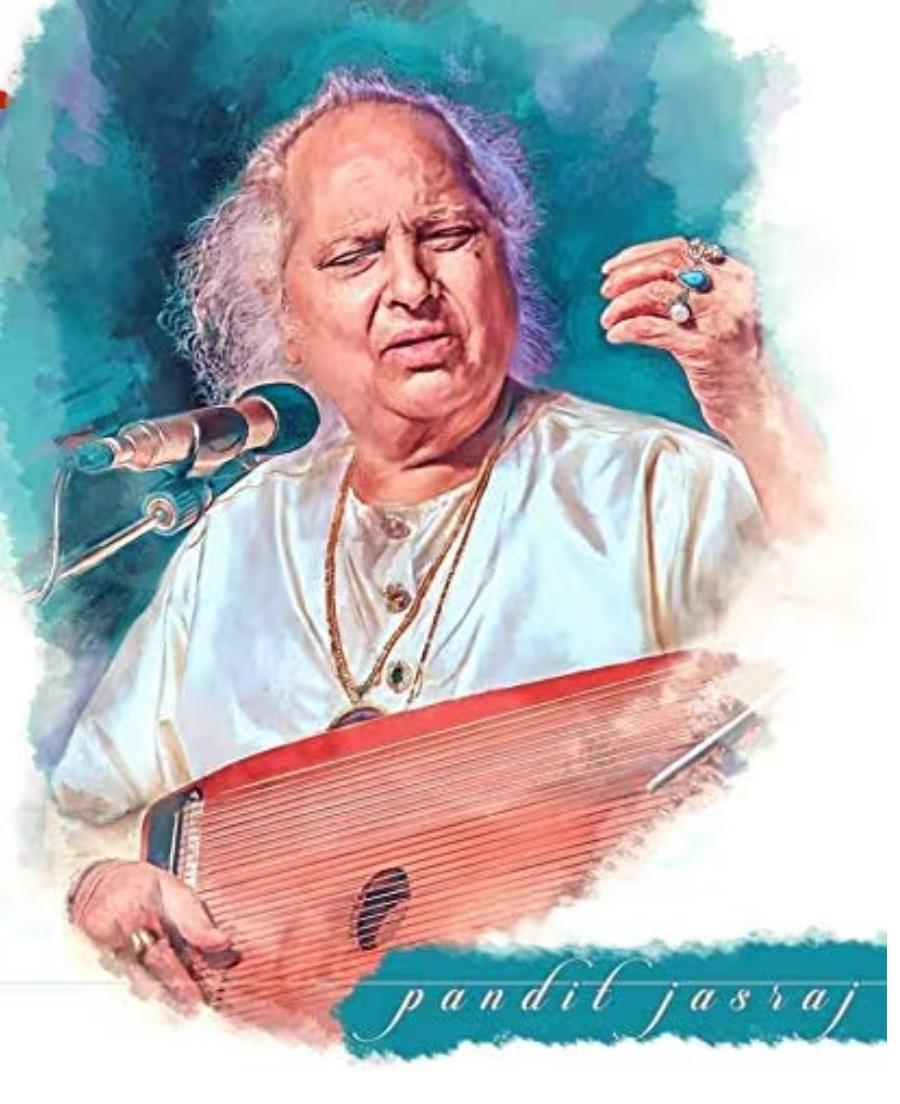
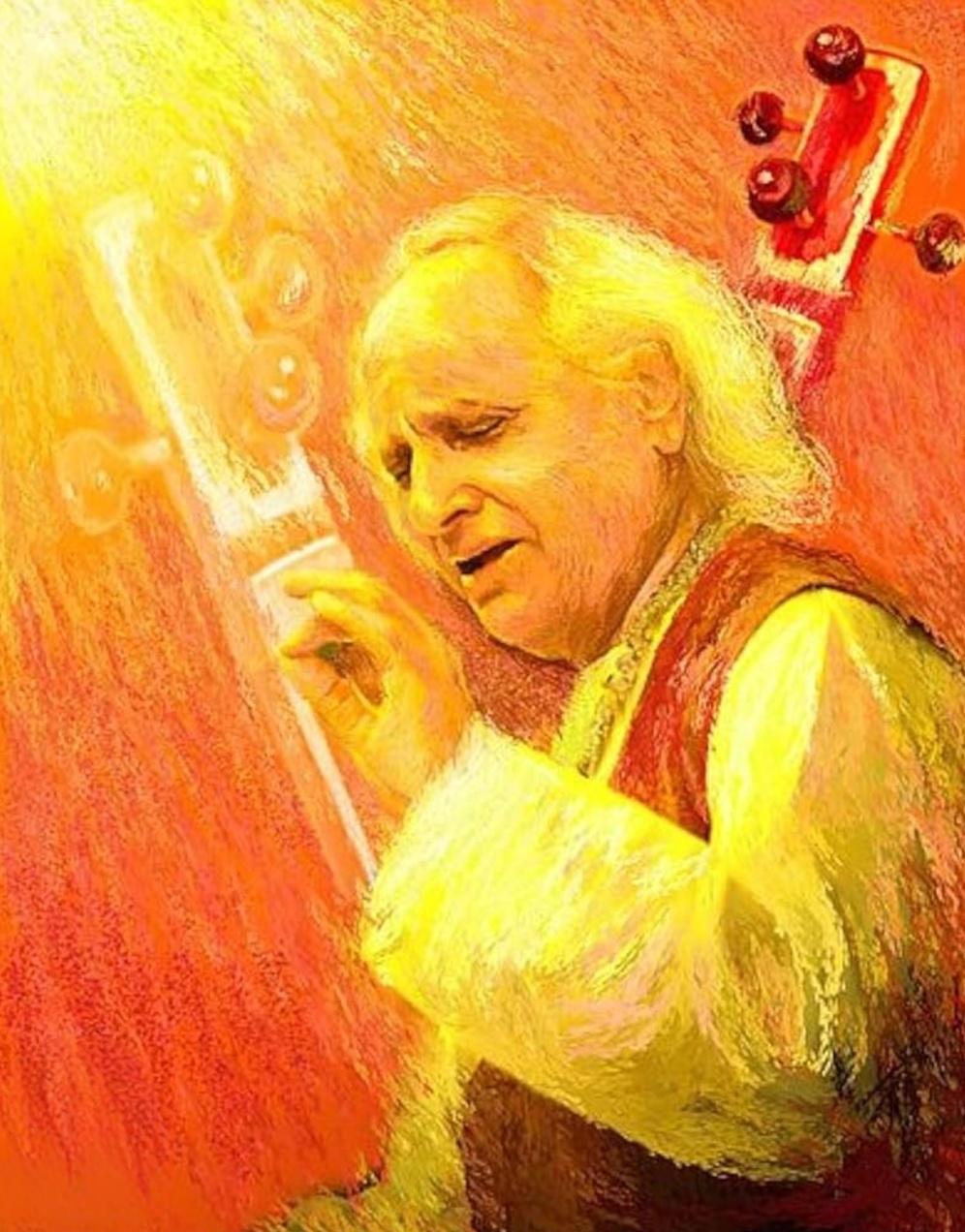
Pandit Jasraj doesn't flinch from any of this. He leans into it. That voice could hold the dark.His voice spanned a remarkable three-and-a-half octaves, moving from a deeply meditative lower register to soaring, ecstatic high notes with seamless grace. In Mata Kalika, every register is called into service. The lower notes carry the earth-weight of Mahakal Maharani — time, death, the deep ground of existence. The higher notes carry the terrifying openness of Jaga Nirbhay Karin — the ecstatic fearlessness that is Kali's ultimate gift. Central to his style was an intense focus on bhakti rasa, with performances building from gentle, meditative explorations to ecstatic rhythmic climaxes. In this composition, that arc is compressed and intensified — there is no long, ruminative alap, no gradual warming of the raga's body. The composition arrives already alight. This is appropriate. One does not ease into Kali. One is received by her, or one is not. His concerts would hardly be considered complete without this devotional offering — and one understands why. In a career of extraordinary range, Mata Kalika represents the point where Jasraj's technical mastery and his devotional surrender became indistinguishable from each other. You cannot hear where the musician ends and the bhakta begins. Perhaps, in those moments, there was no difference.
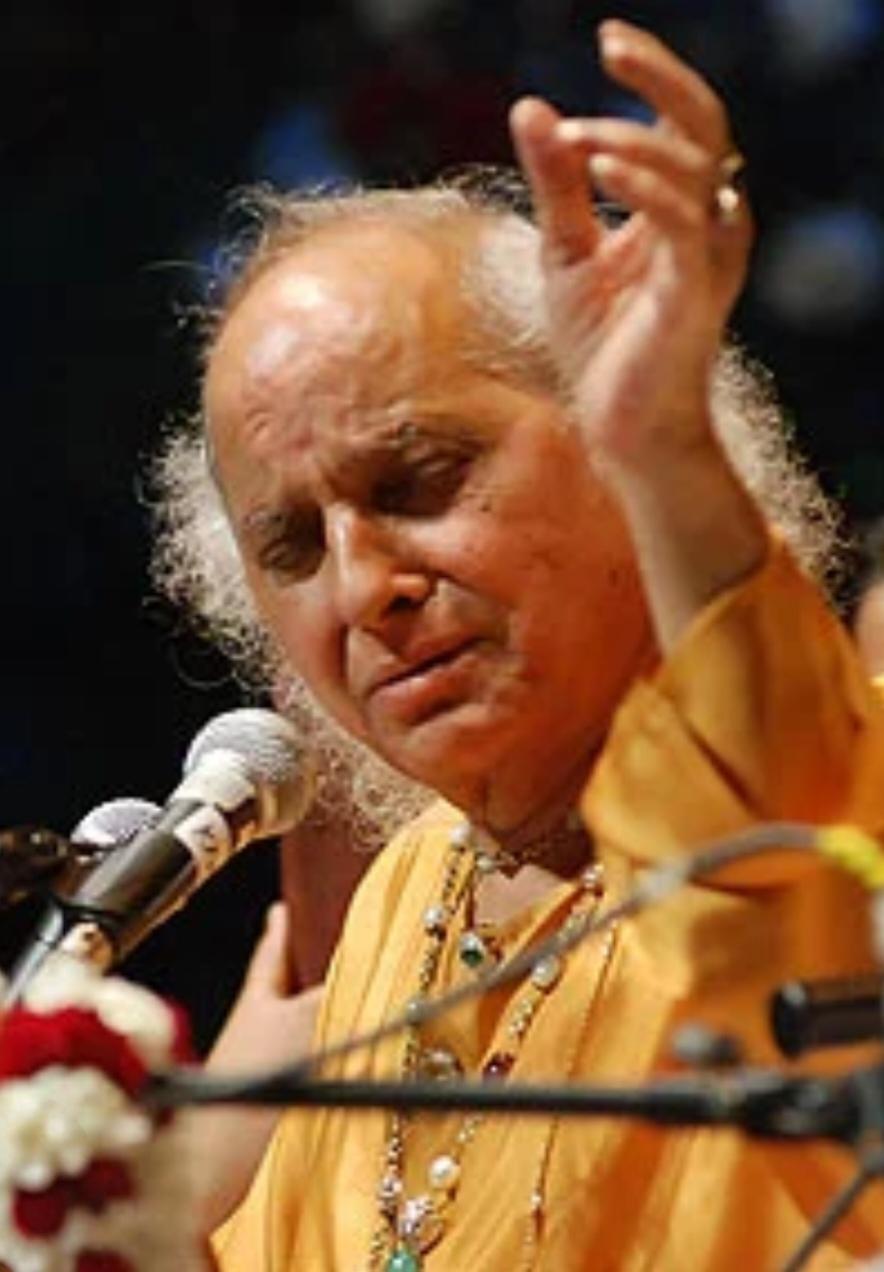
What makes it irreplaceable?India has no shortage of Kali bhajans. She is sung at every Navratri, invoked at every Tantric threshold, set to every conceivable metre and melody. Most approach the dark goddess in one of two modes: fearful propitiation, or theatrical ferocity — the devotee either cowering or performing heroism.
Pandit Jasraj's Mata Kalika does neither. It meets the goddess as an equal act of truth. The voice doesn't shrink, and it doesn't perform. It simply opens — with the complete, disciplined, hard-won openness of a man who spent close to fourteen hours a day in practice for decades, who understood that the highest technical achievement is the one that makes technique invisible.
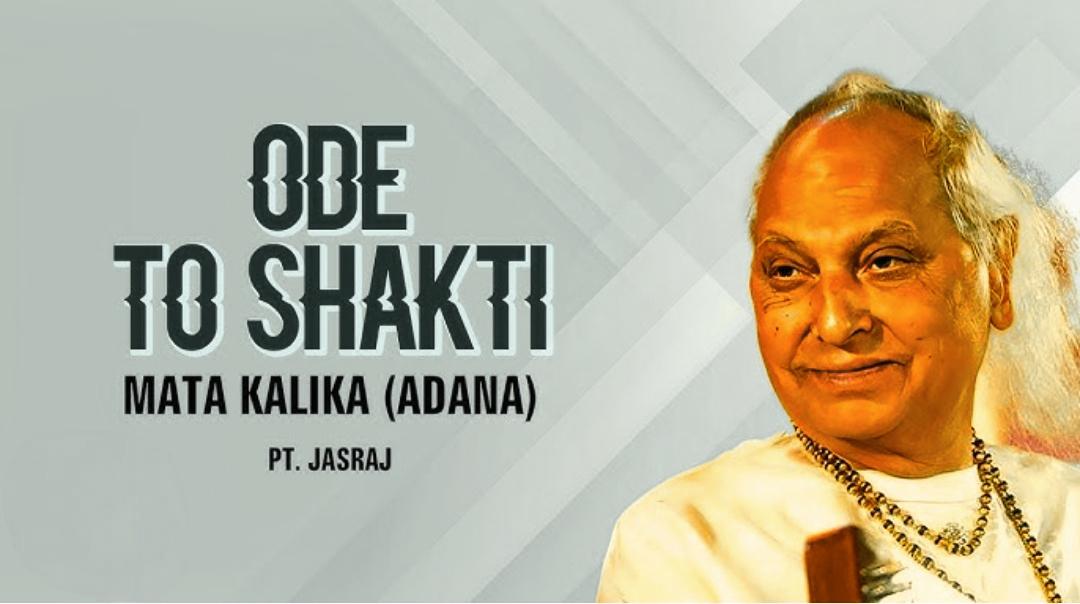
In Trika Kashmir Shaivism, Kali is not separate from Shiva's consciousness — she is its dynamic power, the shakti that makes awareness itself possible. In that framework, a voice that summons her is not merely performing devotion. It is, briefly, participating in the same creative act that generates and dissolves worlds. Pandit Jasraj knew this. You can hear it.
Note:(pics from internet for illustration only)

-SunheriSufi
Comments (4)