Nilgiris-Mountain transitions!


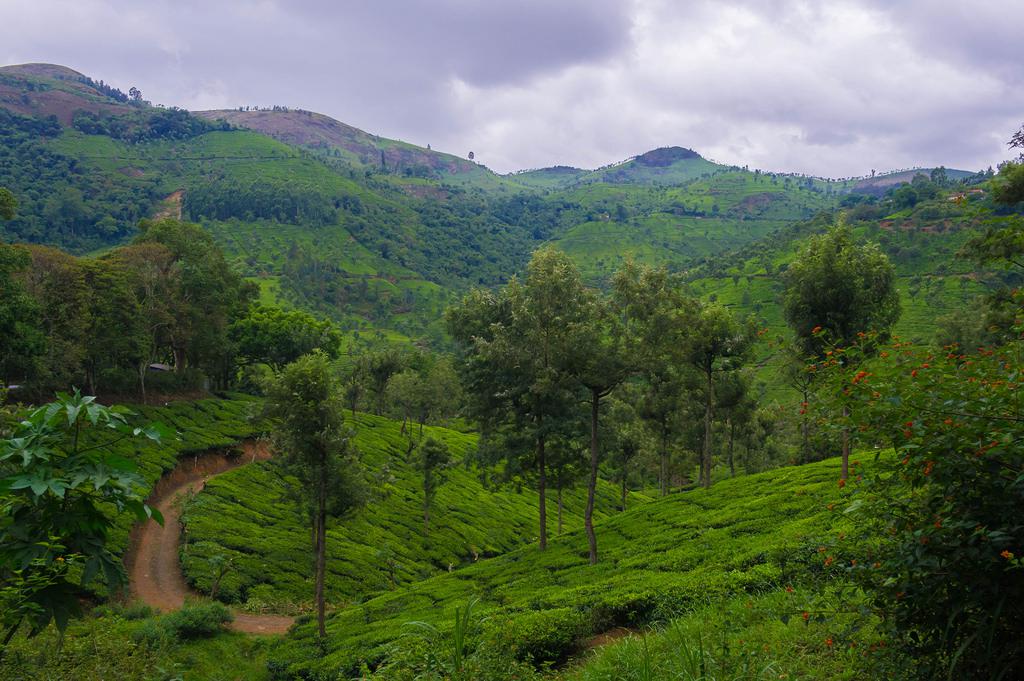
A holiday in the Nilgiris used to offer a scenic escape into the "Blue Mountains" of Tamil Nadu. My memories of holidaying in the ' Blue mountains' was defined by misty mornings, riding the historic Nilgiri Mountain Railway toy train, and walking through endless green tea gardens in Ooty and Coonoor, quaint wooden houses with colourful gardens, blooming with roses, dahlias and gladioli. Fond memories of fresh aromatic tea and local chocolates, walking in the rolling grasslands, the dense "shola" forests, waterfalls, and stunning views, often appearing bluish due to the Neelakurinji flower all used to be a visual spleandour. Mettupalayam, Coonoor, Wellington, Lovedale and Ooty are cities which could ring a bell in your head for different reasons. Wellington is home to the Defence services staff college, Ooty is the queen of the hill stations and Lovedale is home to the famous Lawrence boarding school.

While the British had discovered the area for themselves in the 19th century, the region has been inhabited for centuries by indigenous communities, including the Toda, Kota, Kurumba, and Irula tribes. The Nilgiris was part of the Kingdoms ruled by most of the rulers of South India like the Cheras, Cholas, Pandiyas, Rashtrakutas, the Pallavas, Kadambas and the Hoysalas and was first mentioned in Silapathikaram.
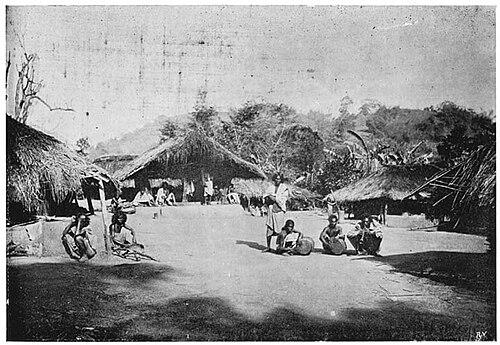
But all that has changed over the years and the Nilgiris is under attack. The Nilgiris Plateau that lies at an elevation of about 900m-2,637m above sea level is spread over 2,000 sq.km. and has a forest cover of over 60%. Grasslands and tropical montane forests called sholas form a tightly interlinked mosaic in the upper Nilgiris. It is home to some of the most endangered animals, such as the Nilgiri langur, Nilgiri marten, and endemic grassland birds like the pipit, the laughing thrush and Nilgiri sholakili.
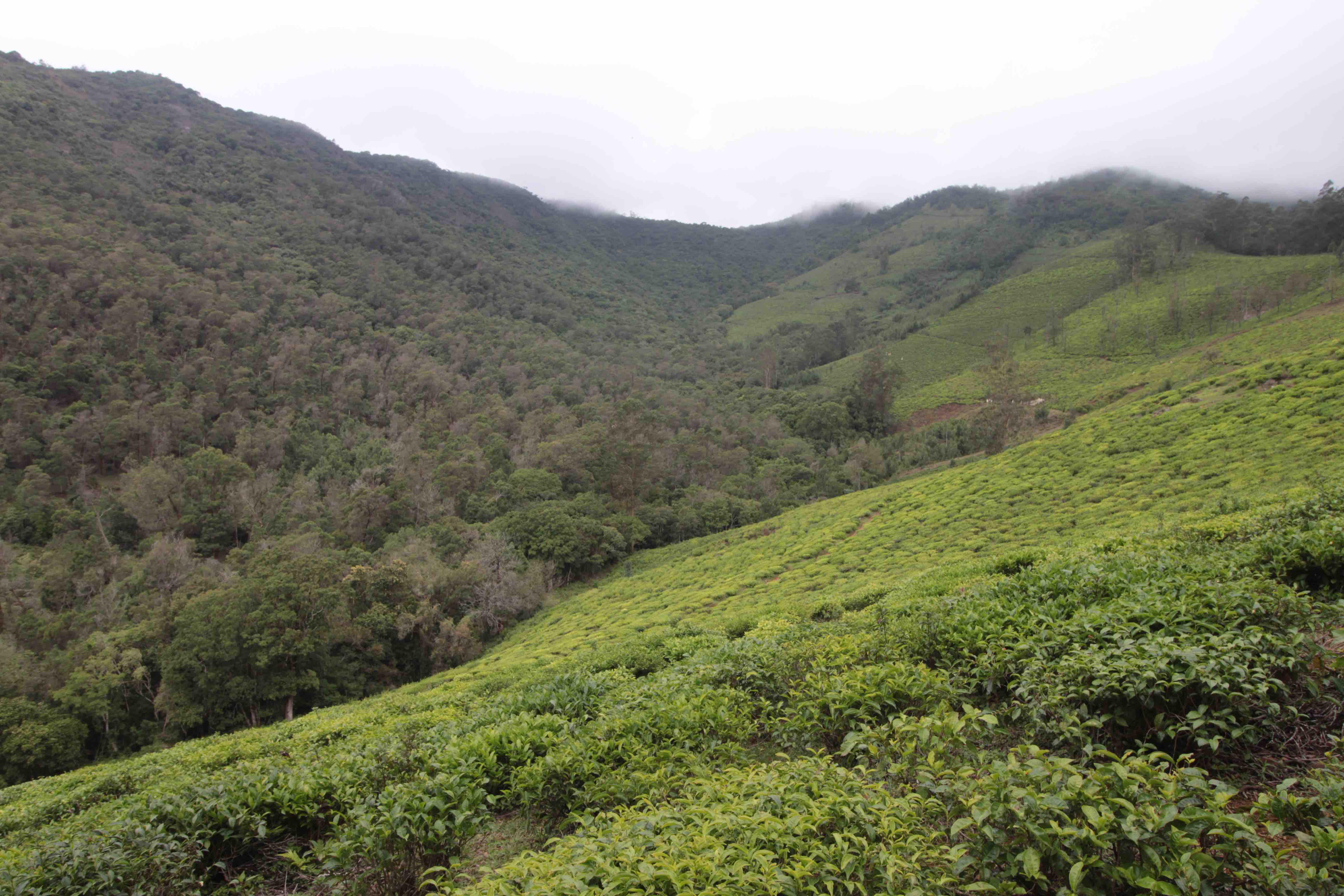
Now the Nilgiris are facing severe environmental degradation, having lost nearly 80% of their grasslands since 1848 due to colonial-era policies, agricultural expansion, and urban sprawl. Key threats include widespread deforestation (over 70% of Shola forests lost), rapid, unplanned commercialization with the rapid real estate expansion on erstwhile tea estates in the Blue Mountains placing additional pressure on the hills and dramatically altering the landscape, severe water pollution, and increased landslides, which have intensified due to climate change.
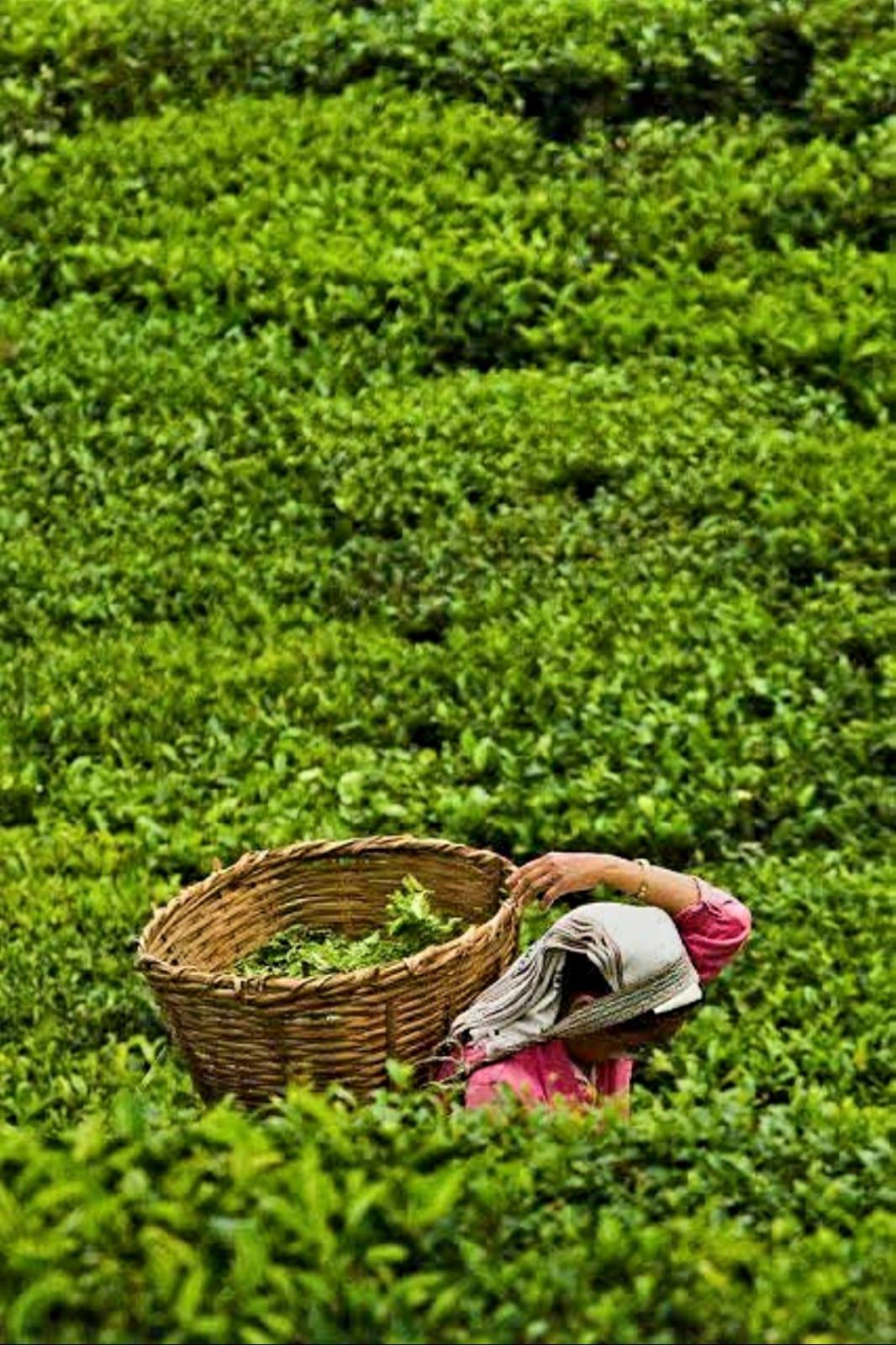
The region faces extreme weather, with failing monsoons leading to water shortages, followed by intense, damaging downpours. Tourists coming from different areas especially in the peak summer season flock to this region, exert pressure on the eco-system by excessive traffic, demand for goods and services and solid waste pollution. Woodcutters, foragers, animal-grazers and hunters add to the damage.
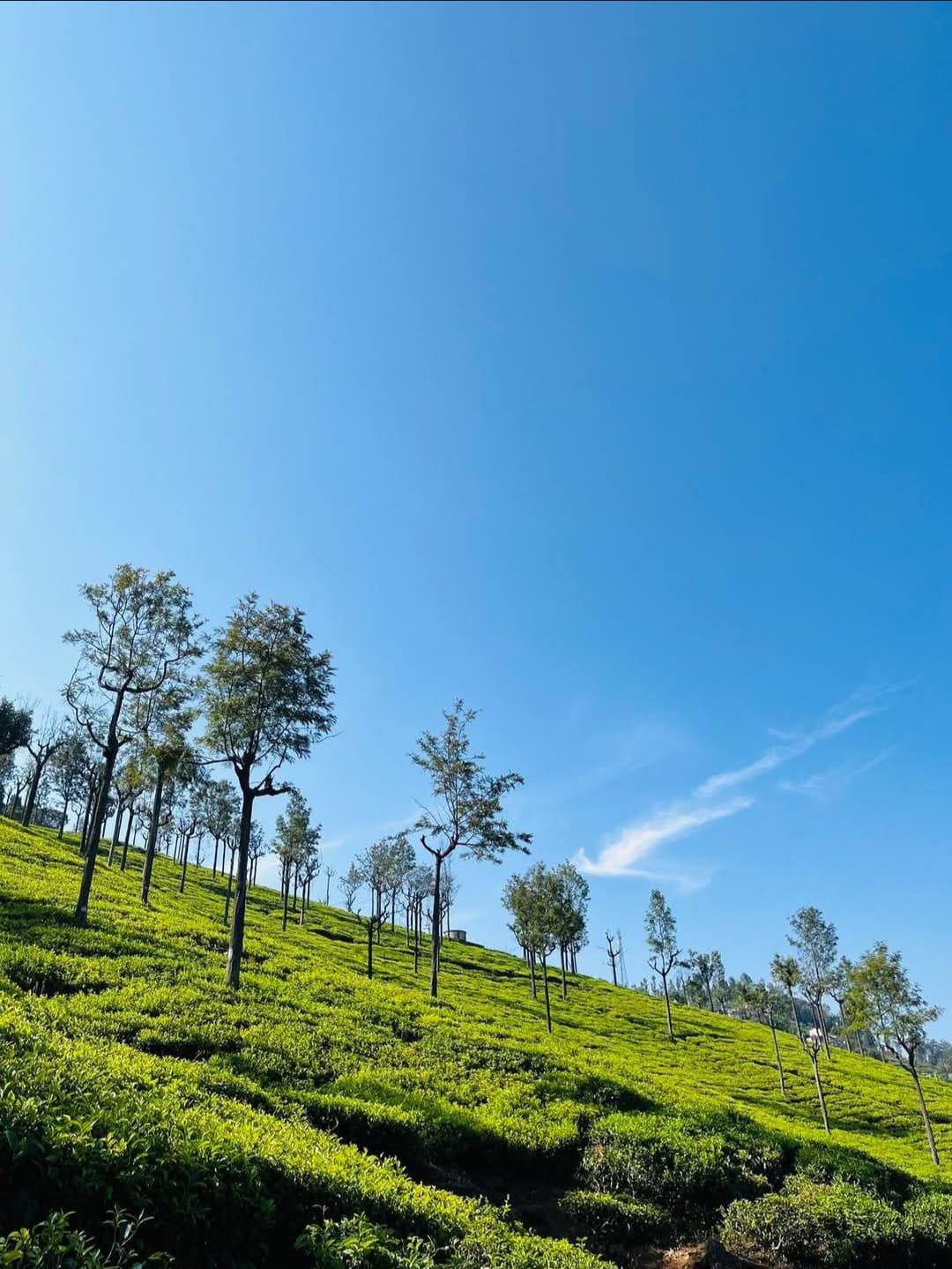
These changes have resulted in a significant decline in native bird species, such as the Nilgiri pipit and dramatically altering the landscape, setting alarm bells ringing. The region’s shola forests and grasslands used to support the rich birdlife like the Nilgiri flycatcher,blue robin, pipit. The falling tea prices have heralded a transformation in the hills that does not augur well for its fragile ecosystem.
Oscar Wilde’s words "Sooner or later, our choices return to us",remind us that every action carries consequences, whether seen immediately or revealed with time. Life has a way of balancing itself, and responsibility cannot be escaped.
Note:(pics from internet for illustration only)
Comments (7)