Pochise Boisakh!


On May 7th 1861, or Pochishe Boisakh of the Bengali year 1268, Rabindranth Tagore was born in Jorsanko, Calcutta.
Rabindranath Tagore wrote the national anthems for two countries: India: Jana Gana Mana. Bangladesh: Amar Shonar Bangla! Additionally, his musical influence directly shaped the national anthem of a third country: Sri Lanka: The Sri Lankan national anthem, 'Sri Lanka Matha,' was inspired by Tagore's musical style, and was composed using a melody originally attributed to him.
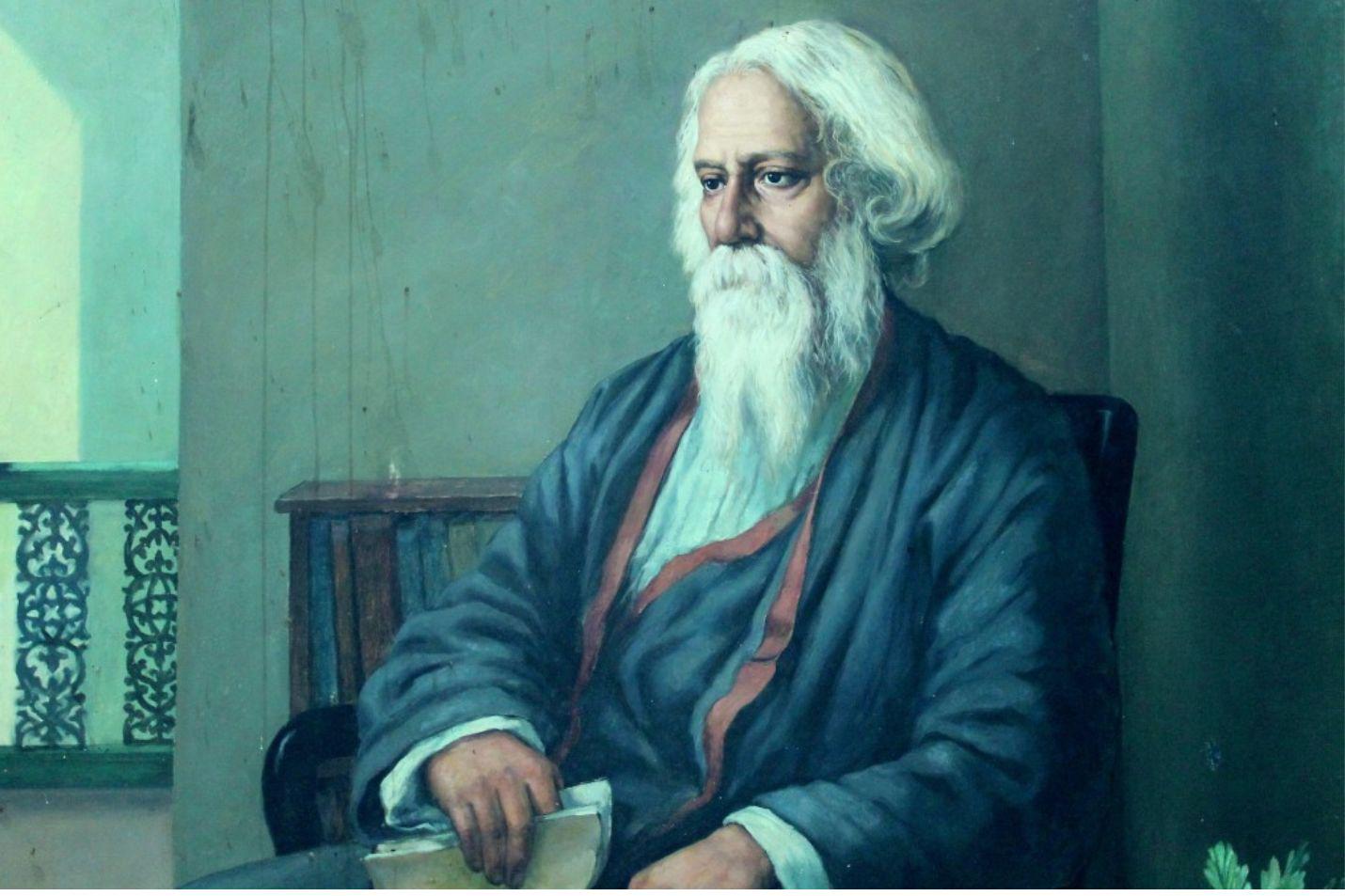
May 9,2026 is Pochise Boisakh — the day to celebrate Rabindranath Tagore, the day to sing his timeless “He Nutan”,on the 165th birth anniversary of Tagore. This date has political and cultural importance in West Bengal.
He initially wrote the lyrics in 1899 as a poem titled "Janmadiner Gaan" (Birthday Song) for the completion of his 38th birthday. He later set the poem to music using Raag Bihag and included it in his published works. The first song that he had composed for his own birthday was – 'Bhoy Hote Tabo Abhoy-maajhe Nutano Janomo Daao Hey ...'. For the same purpose he had created his last song, three months prior to his death.
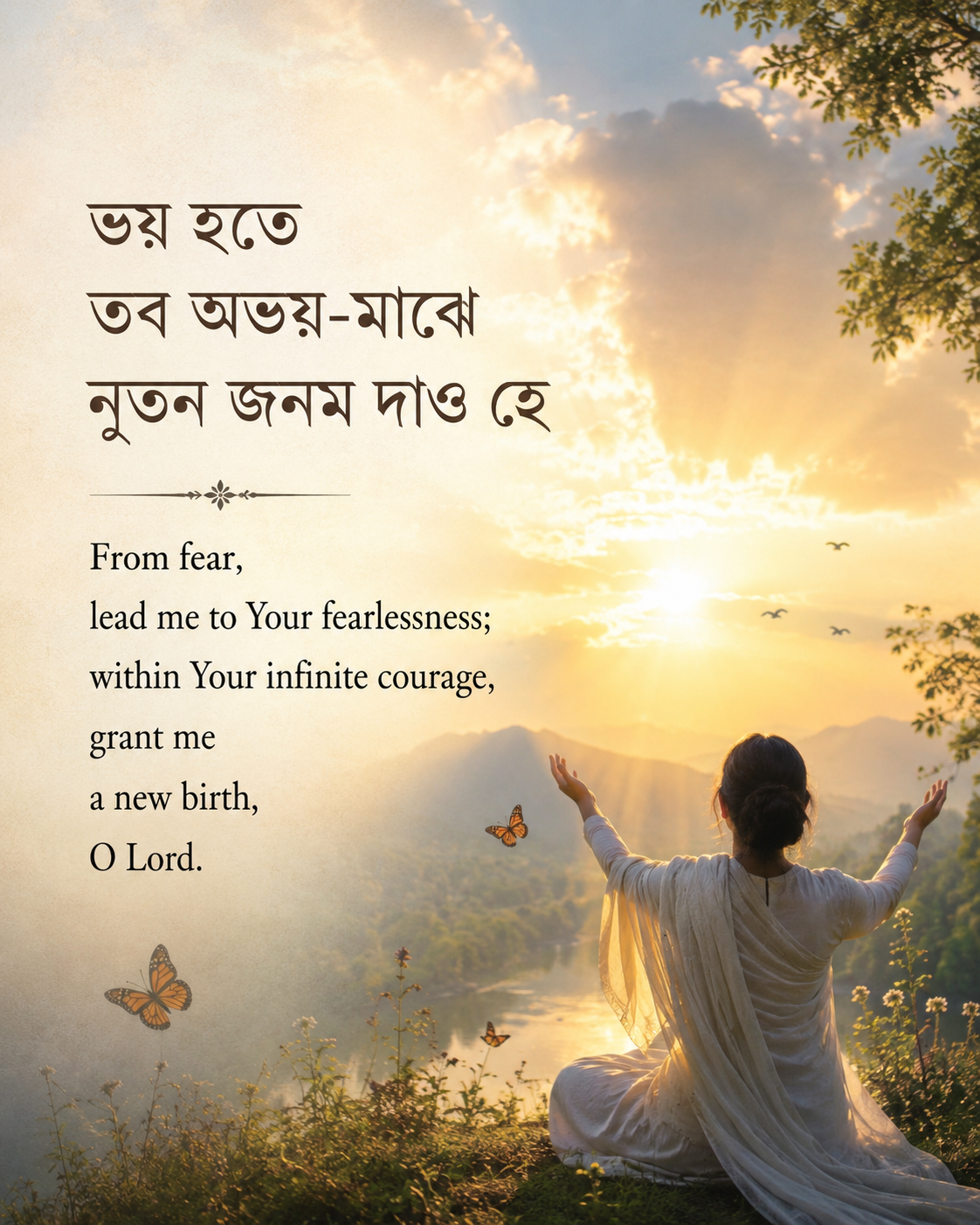
He had written a poem 'Pochishe Boishakh' for the collection 'Purabi' at the age of sixty-two on 8th May, 1922. The last stanza of this long poem was altered to recreate this song. Shortly before his passing in 1941, Tagore wrote a special poem/song for this day—"He Nutan, Dekha Dik Arbar" (O New, let your presence be revealed again) was written to mark his 80th birthday. It reflects his hope for a new beginning amidst the destruction of his time.
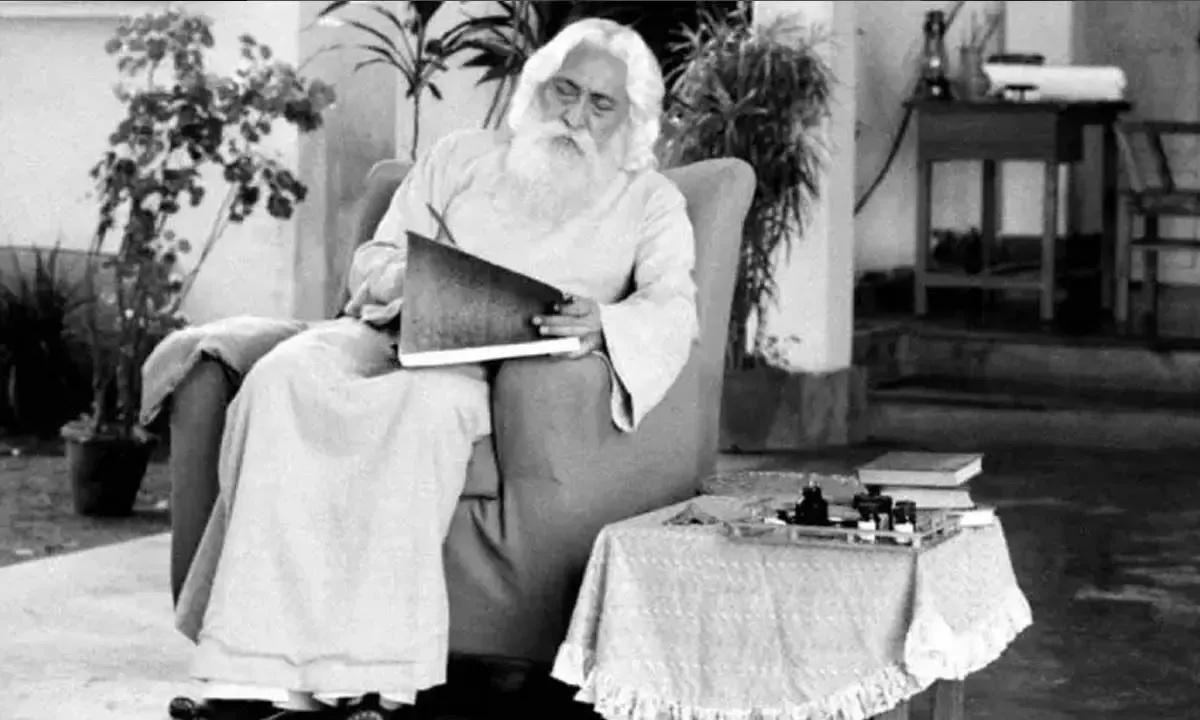
In the first week of May 1941,Shantiniketan was all set to celebrate the 80th birthday of its founder. Former disciples, friends and acquaintances had started trickling in. Kabi Guru had not been in good health for some time. On May 6, two days before his birthday, Shantideb Ghosh came visiting. Tagore asked him about their Pochishe Boishakh plan. “I understood he wished that the day be celebrated through music and dance,” Ghosh later wrote in his book ‘Rabindrasangeet’.
He also wrote how he asked the poet to suggest songs that could be performed on his birthday. “Why will I choose songs for my birthday?” Tagore apparently replied, asking his favourite disciple to think of an alternative plan but after a lot of coaxing requests from his students and admirers he wrote 'He Nutan'… which celebrates Tagore’s love for life.
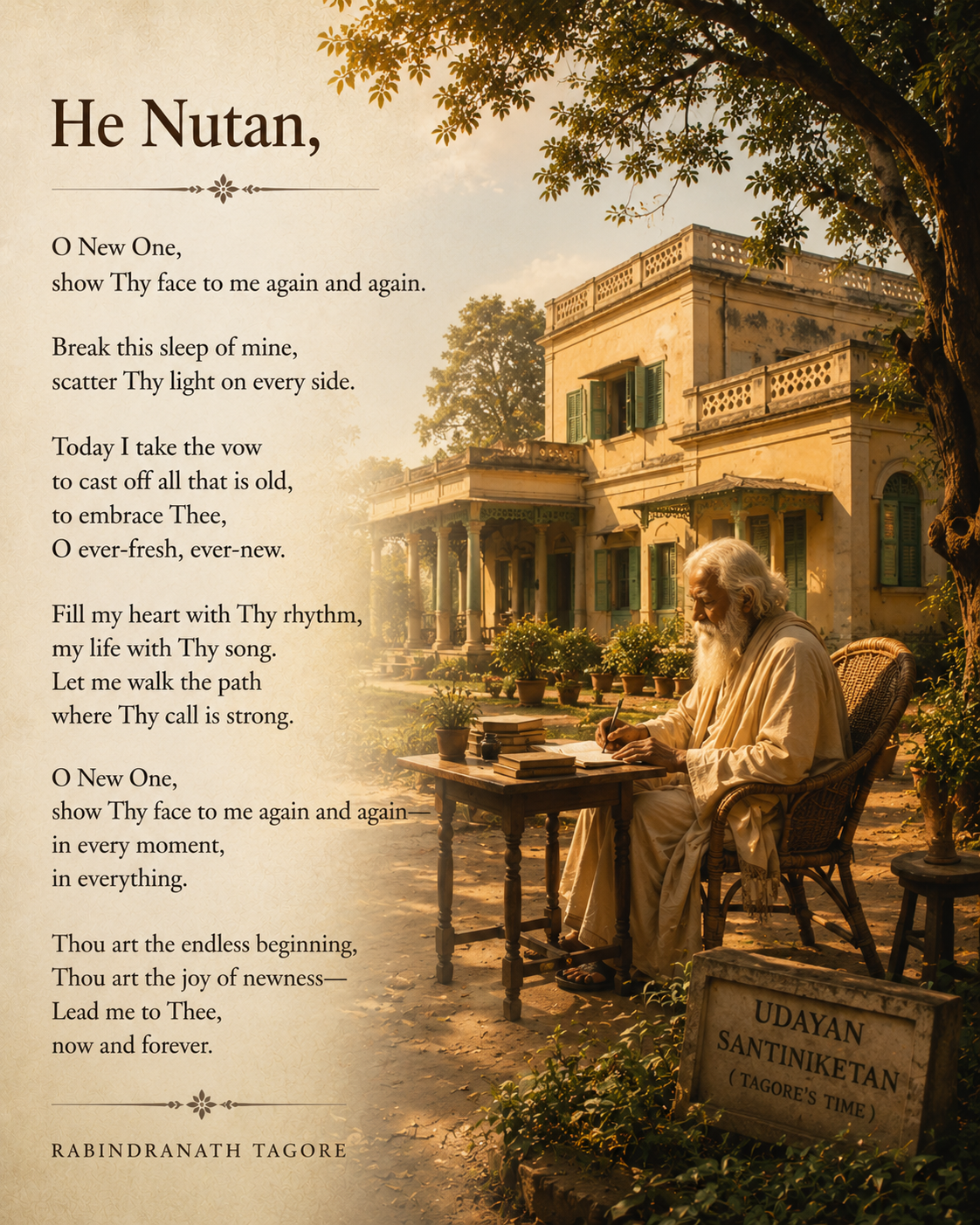
Written at a time when the world was torn apart by World War II, the song gives the message of a strong hope that human life won’t wither away. Using the sun as a metaphor for himself in the song, Tagore seems conscious of his mortality, but evidently looks beyond his imminent death at the same time.
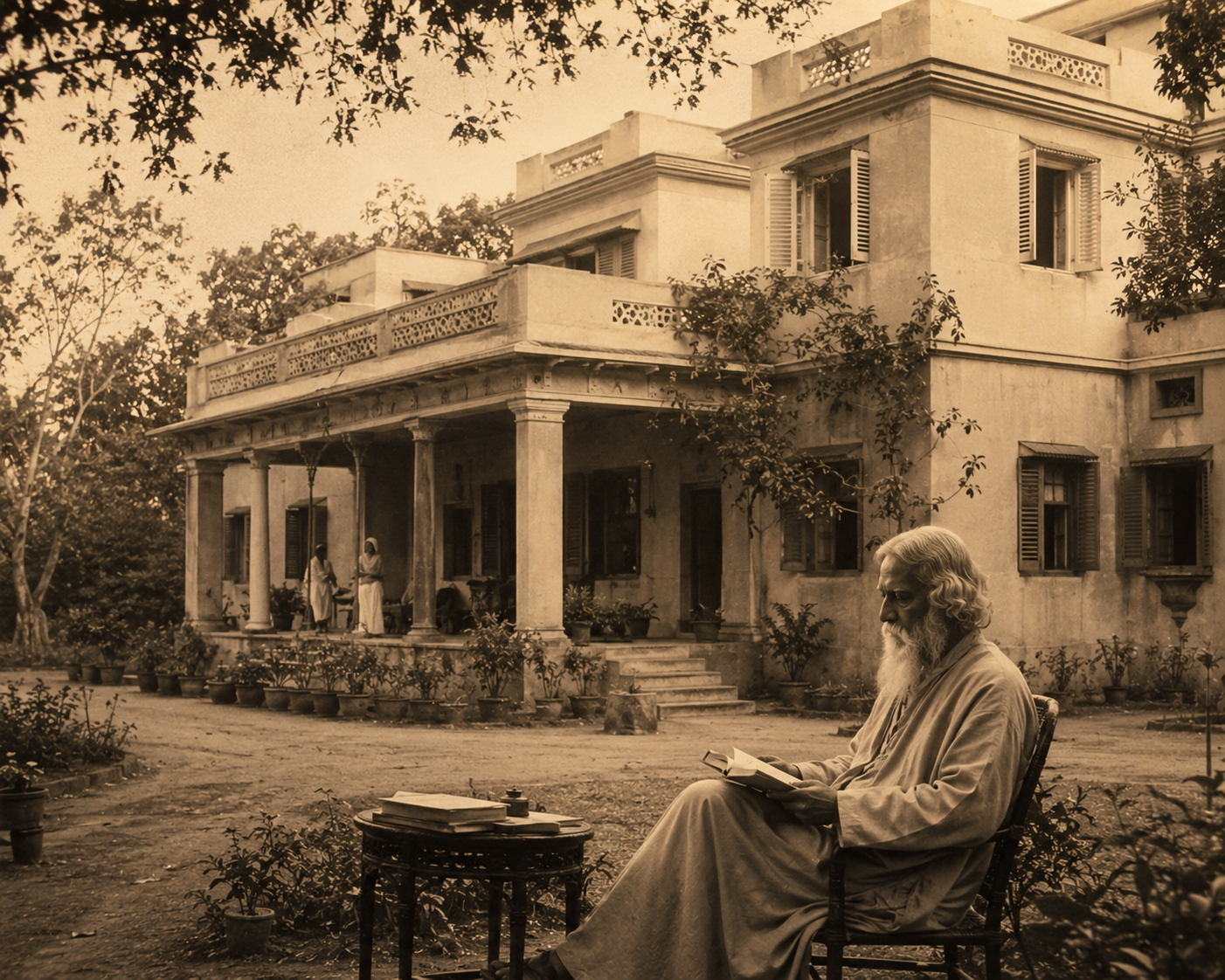
The notation for the special song had been prepared by Shantideb Ghosh. A recording by Tagore’s another favourite pupil and acclaimed singer Kanak Biswas was released the same year. Aruna Chakravarti in her historical novel, 'Daughters of Jorasanko',translated the poem as the last birthday song by Tagore. Beyond Bengal, the pochise boisakh celebrations resonates with admirers across India and abroad, highlighting Tagore's timeless contributions to literature, music, art, and philosophy.
Note:(pics from internet for illustration only)
Comments (8)