SriRam and Shiva...The inseparable duo!


Ram and Shiva share a profound, reciprocal, and non-dualistic relationship in Hinduism. Both are seen as one soul, reflecting that the protector and the destroyer are different aspects of the same divine consciousness.
The Sri Rama Rama Rameti shloka is a revered, powerful, mantra from the Padma Purana that glorifies the divine name of Lord Rama, the righteous king of Ayodhya. Shiva shared this with Parvati, stating that meditating on "Rama, Rama, Rama" (three times) equals chanting the 1,000 names of God as in (Vishnu Sahasranama). It is also known as a tāraka mantra (a boat), helping devotees cross life's challenges. It denotes finding divine joy and solace in the name of Rama.
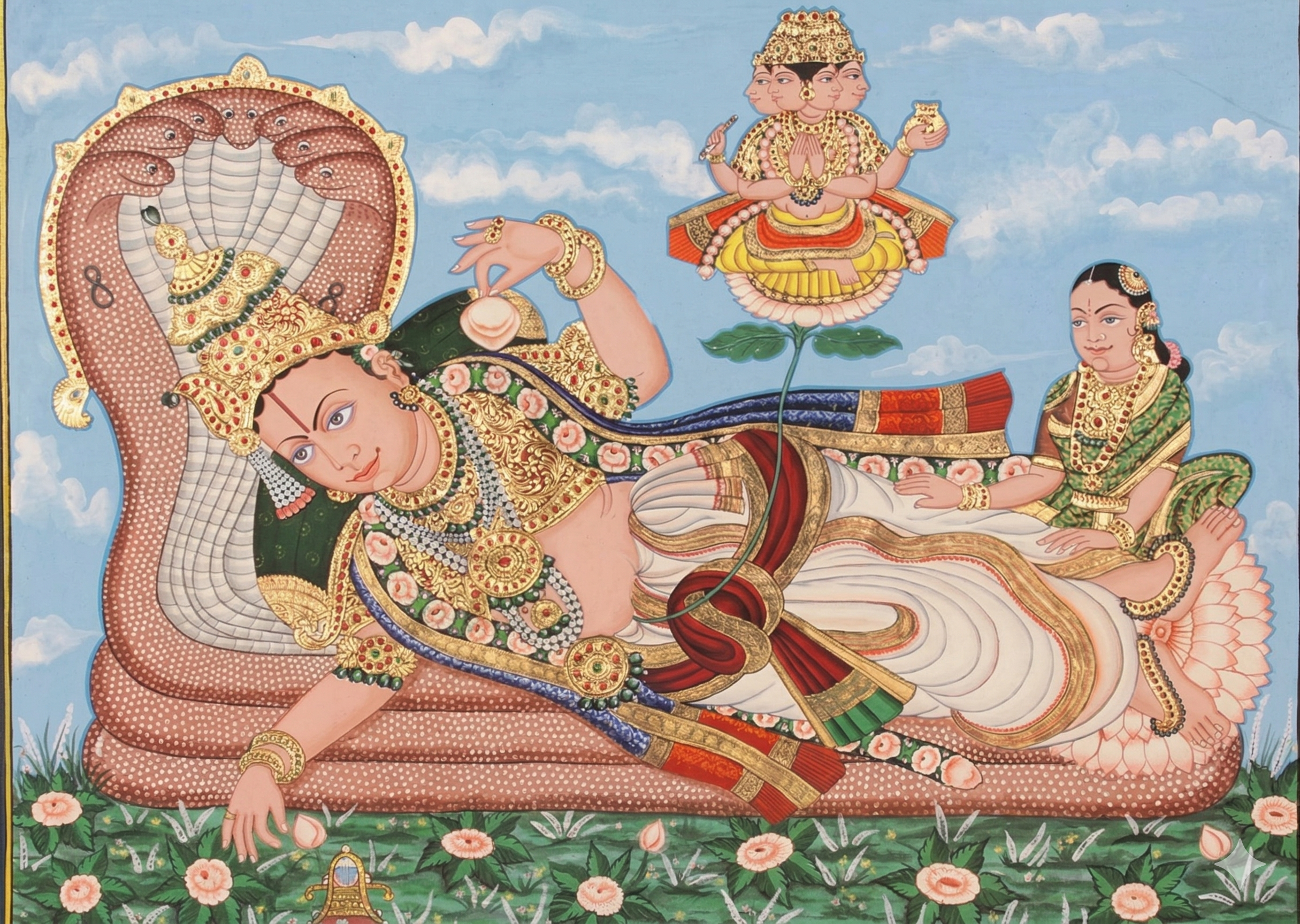
Shiva is described in texts like the Adhyatma Ramayana as a great devotee of Rama who was a Vaishnava, meditating on his child form (Ram Lala).The Ramcharitmanas contains a couplet which explains Shiva's fascination:
बंदउँ बालरूप सोइ रामू। सब सिधि सुलभ जपत जिसु नामू॥
मंगल भवन अमंगल हारी। द्रवउ सो दसरथ अजिर बिहारी॥
Lord Shiva says: I offer my reverence to child form of Lord Rama (राम लला सरकार), whose name alone grants all accomplishments effortlessly. May the auspicious Bhagvan Sri Ram, the remover of inauspiciousness, who plays in the courtyard of King Dasharatha, shower His grace upon me. They are considered inseparable, with the phrase "Jahan Hara, Wahan Hari" indicating that where there is Shiva (Hara), Vishnu/Rama (Hari) is present.
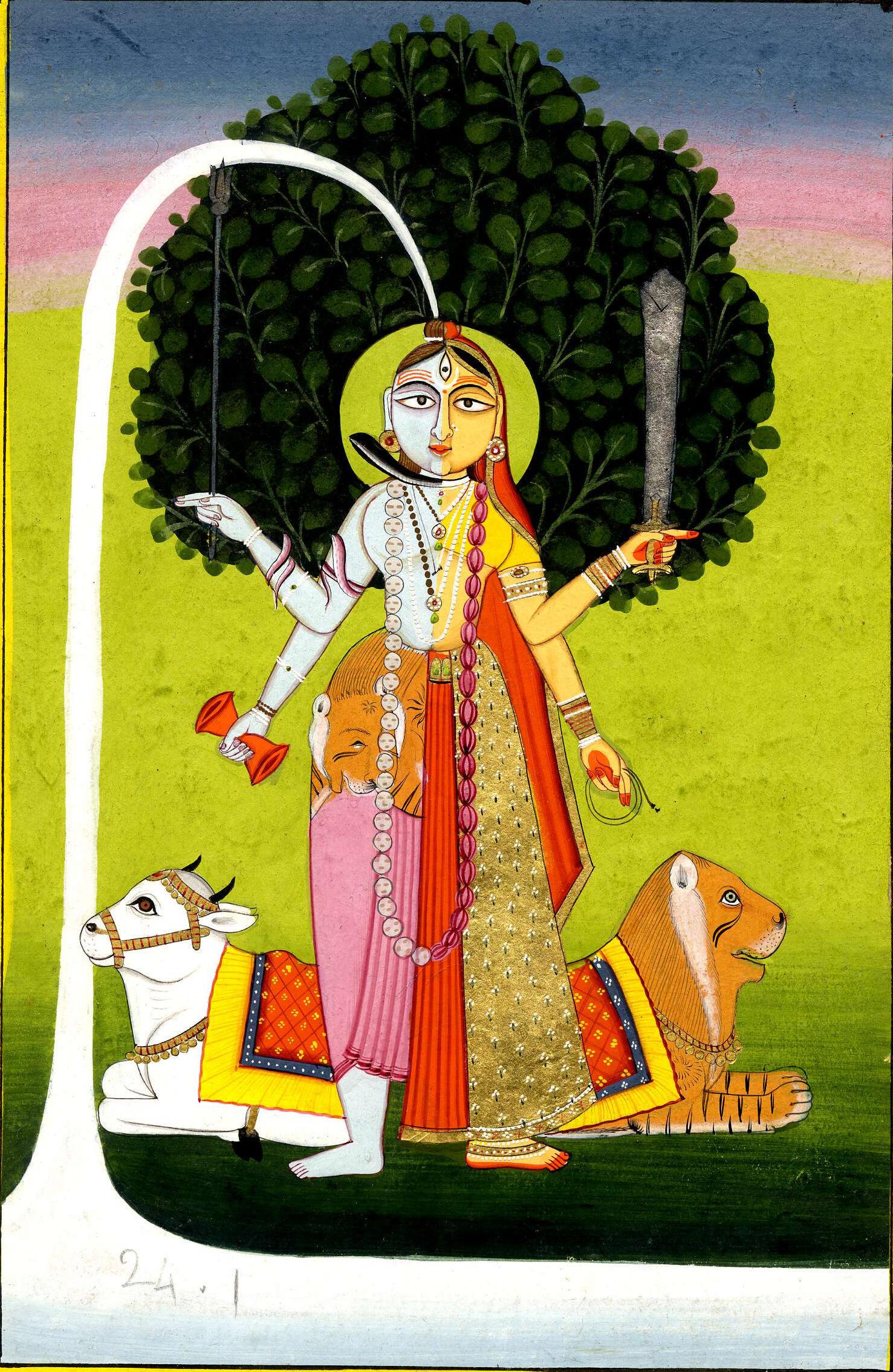
Rama is also the name of Ardhanarishwara, as in Rama, 'Ra' is the sanskrit letter denoting agni, Fire and 'Ma' is the sanskrit letter denoting Soma or moon and so ultimately Rama denotes the mixture of agni and soma. It means the end of duality, thus representing the Ardhanarishwara, which is none other than Shiv-Shakti. Although Shiva is the highest Lord or Mahadev, he meditates on Rama to teach mankind that devotion to God is superior to ego.
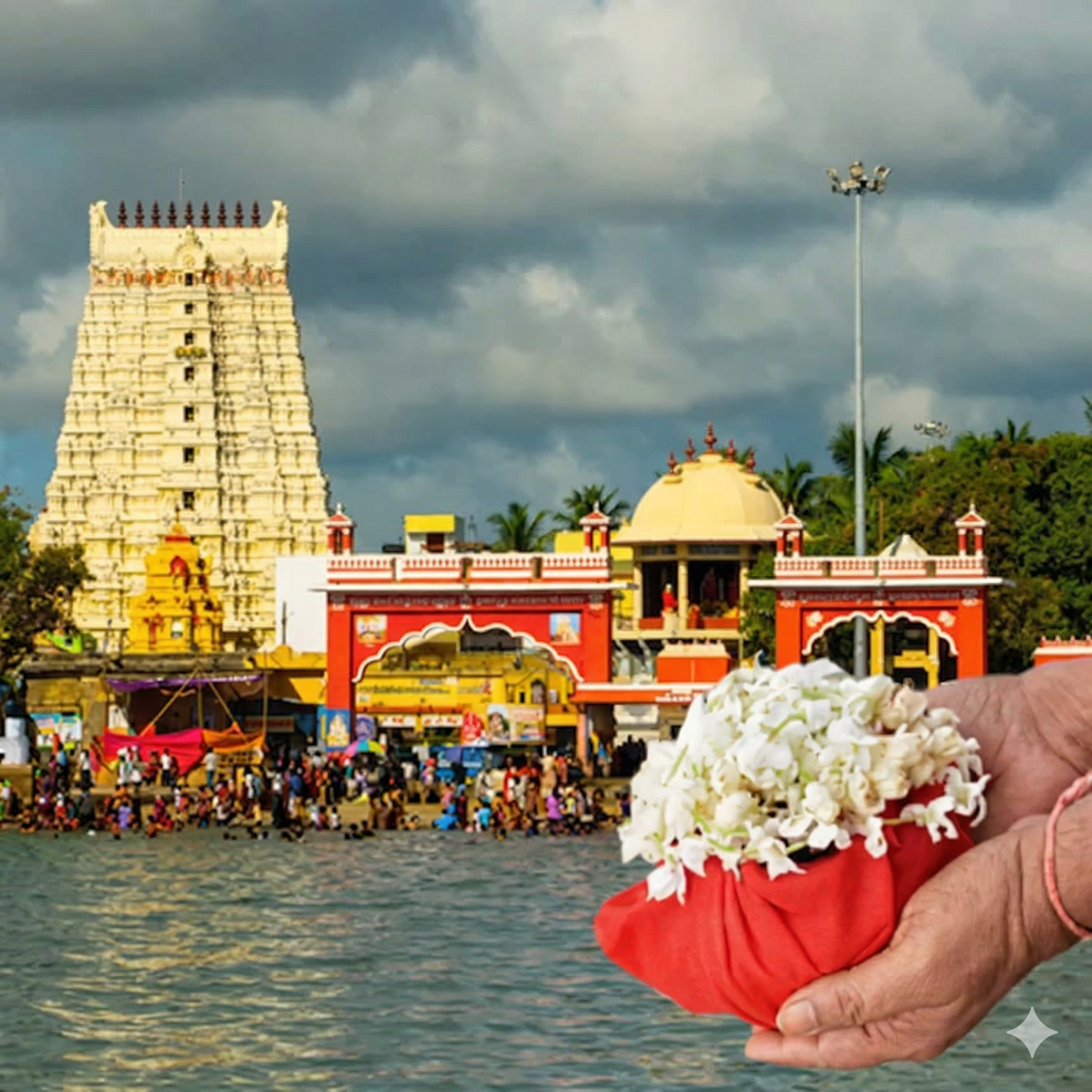
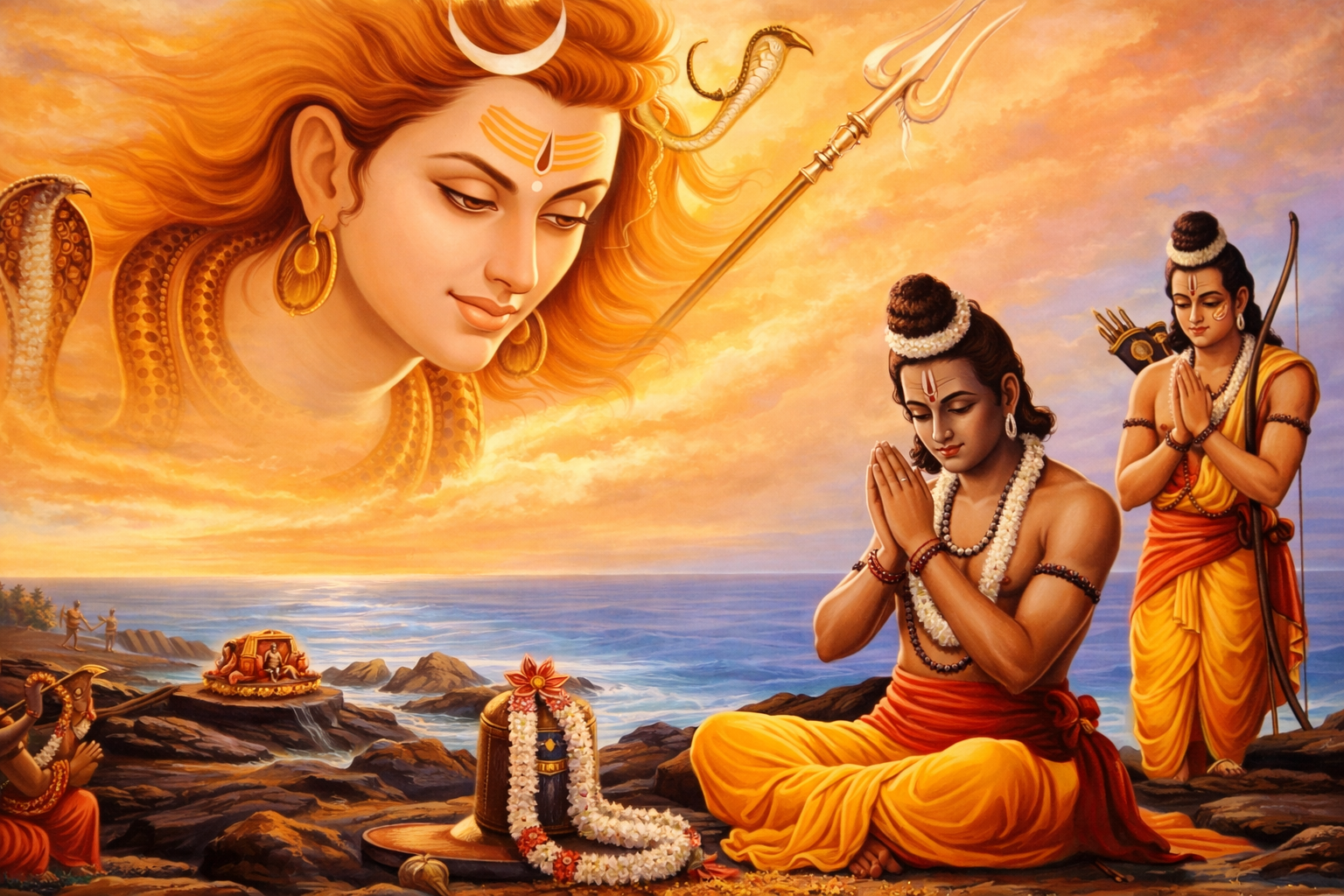
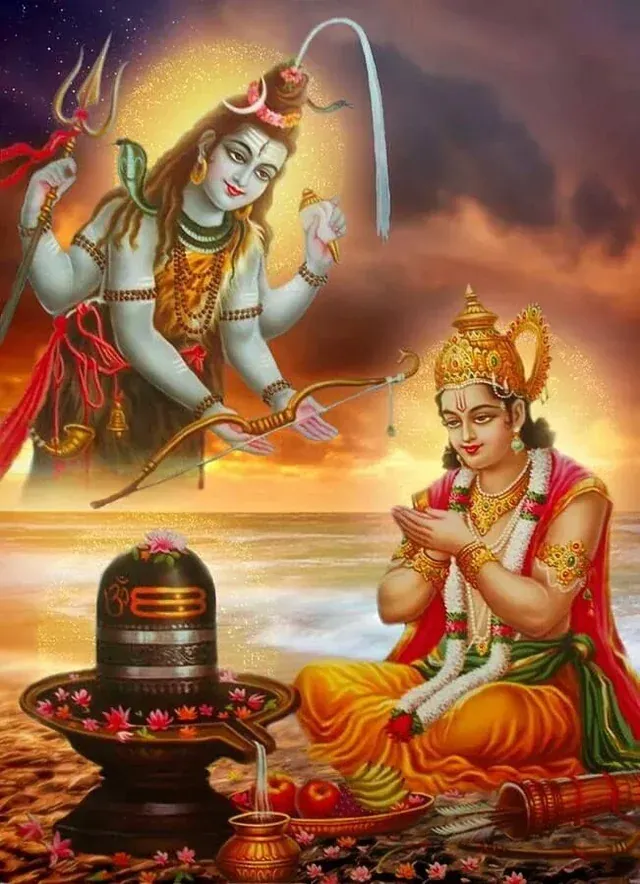
The relationship is reciprocal. In the Ramayana, Rama as an avatar of Vishnu, installs and worships a Shivling in Rameshwaram to atone for the sin of killing Ravana who was a brahman. According to legend, Rama worshipped Shiva in Rameswaram by installing a sand-sculpted Lingam (Ramalingam) made by Sita, as Hanuman got delayed in bringing one from the Himalayas. Rama performed these rituals to absolve the sin of Brahmahatya, establishing Shiva as Rameshwaram ("Lord of Rama"). When Hanuman returned with a lingam from Kailash (Vishwalingam), Rama pacified him and ordered that all traditional pujas be performed first to the Vishwalingam.
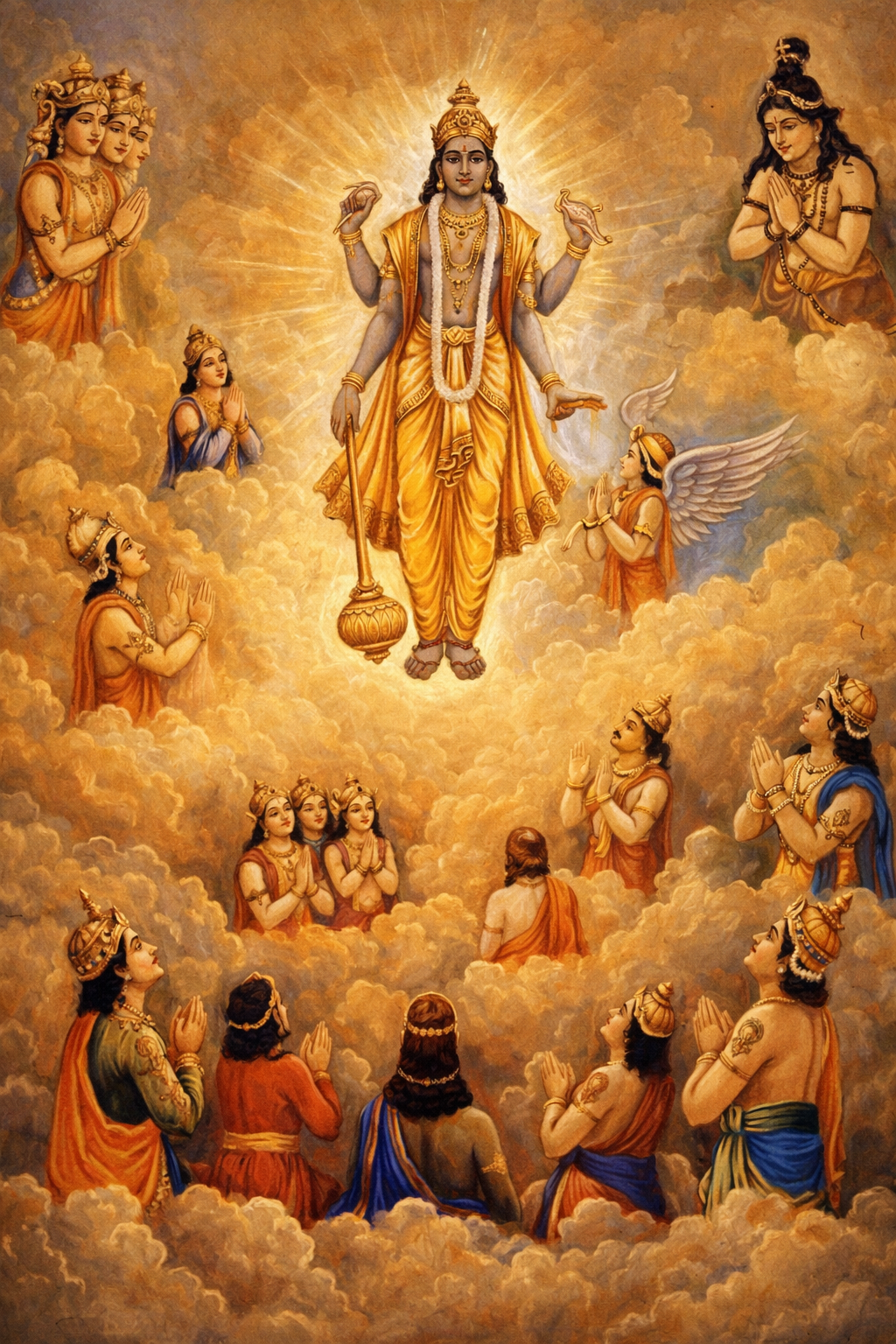
He installed the lingam at a spot considered sacred for purifying oneself from sins. It is believed that Rama created 22 sacred wells (teerthams) for the abhishekam (ritual bathing) of the lingam, a practice still followed by devotees today. Rama showed devotion to Shiva, cementing the bridge between Vaishnavism and Shaivism. Hindus believe offering Belpatra on which Ram's name is written pleases Lord Shiva.
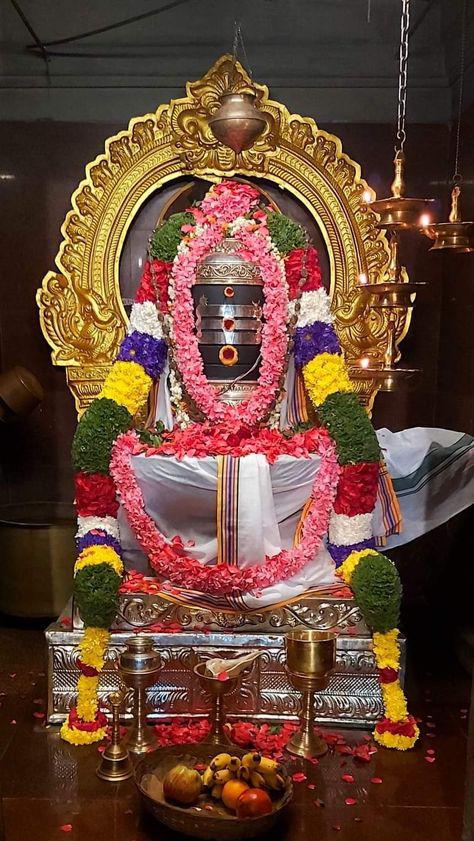
"Sri Rama Rama Rameti, Rame Rame Manorame;
Sahasranama Tattulyam, Rama Nama Varanane" .
Meditate on Rama to bring supreme bliss, mental peace, and liberation from worldly suffering.
Note:(pics from internet for illustration only)
Comments (16)