The Eternal Mother!


When a hymn of forgiveness becomes the deepest tribute to motherhood.
— — — ✦ — — —
Across cultures and centuries, one truth remains unbroken: the mother forgives.
Nowhere is this captured more beautifully than in the Devi Aparadha Stotram — an ancient Sanskrit hymn in which a devotee confesses every failing to the Divine Mother and rests, finally, in her unconditional grace.
WHAT IS THE DEVI APARADHA STOTRAM?
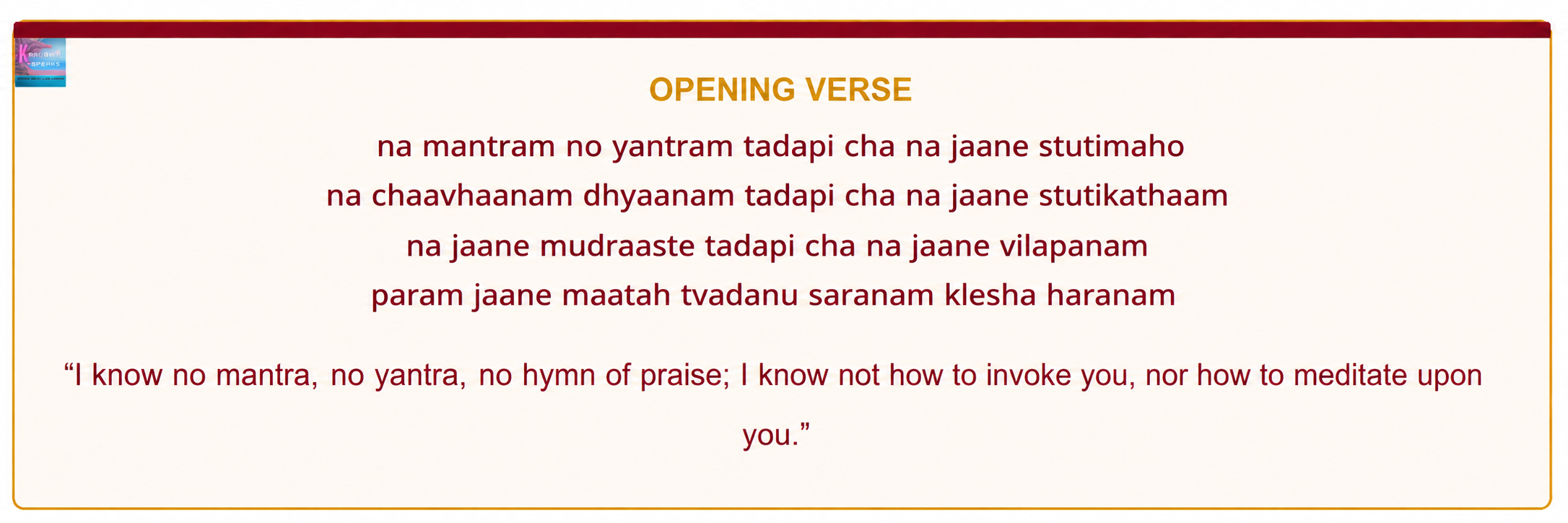
The Devi Aparadha Stotram — “Hymn of Apology to the Goddess” — is a devotional Sanskrit composition attributed to Adi Shankaracharya, the 8th-century philosopher-sage. Unlike hymns that celebrate divine glory, this stotra is an intimate confession. The devotee comes before the goddess not with pride, but with honest admission of human imperfection — prayers said wrongly, rituals performed carelessly, thoughts that strayed. Yet the prayer is not despairing. It opens with radical honesty:
THE HEART OF THE STOTRA
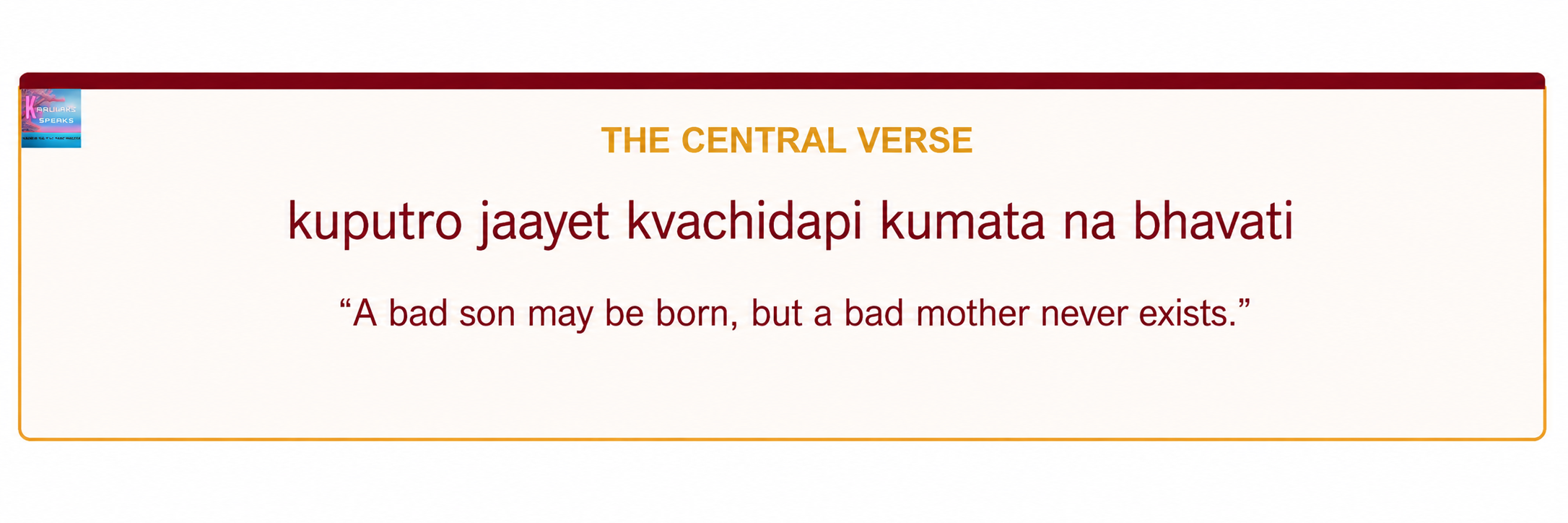
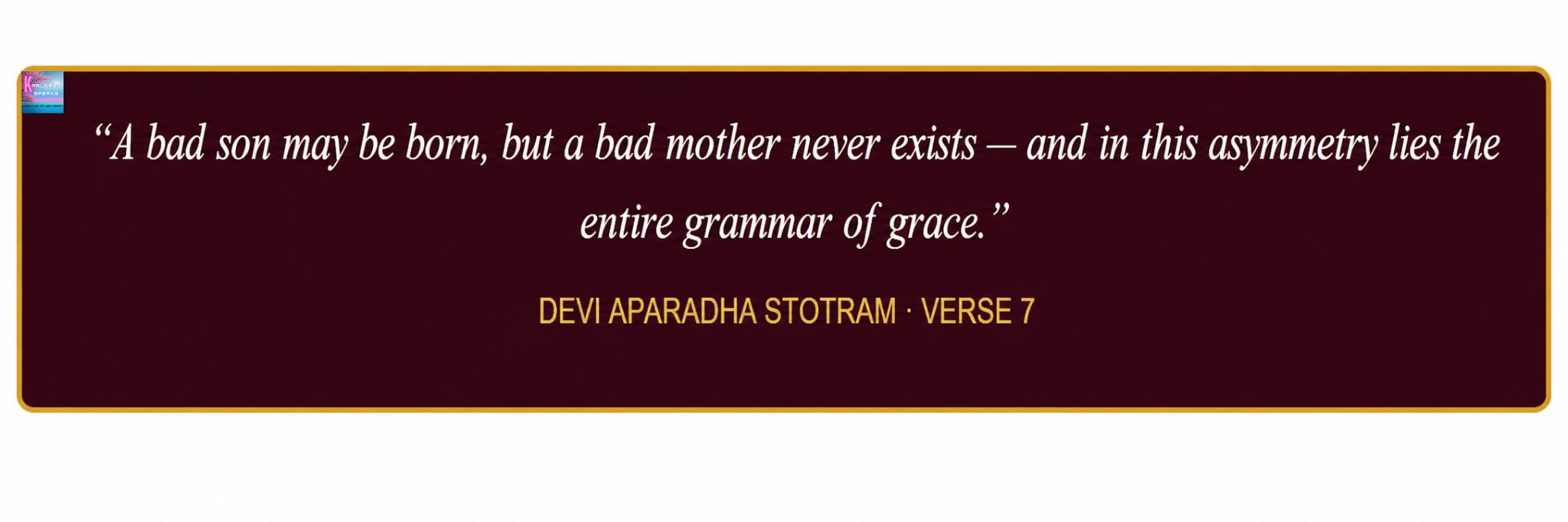
The entire prayer pivots on one luminous argument — that whatever a child does or fails to do, the mother does not abandon the child. This is crystallised in its most celebrated verse:
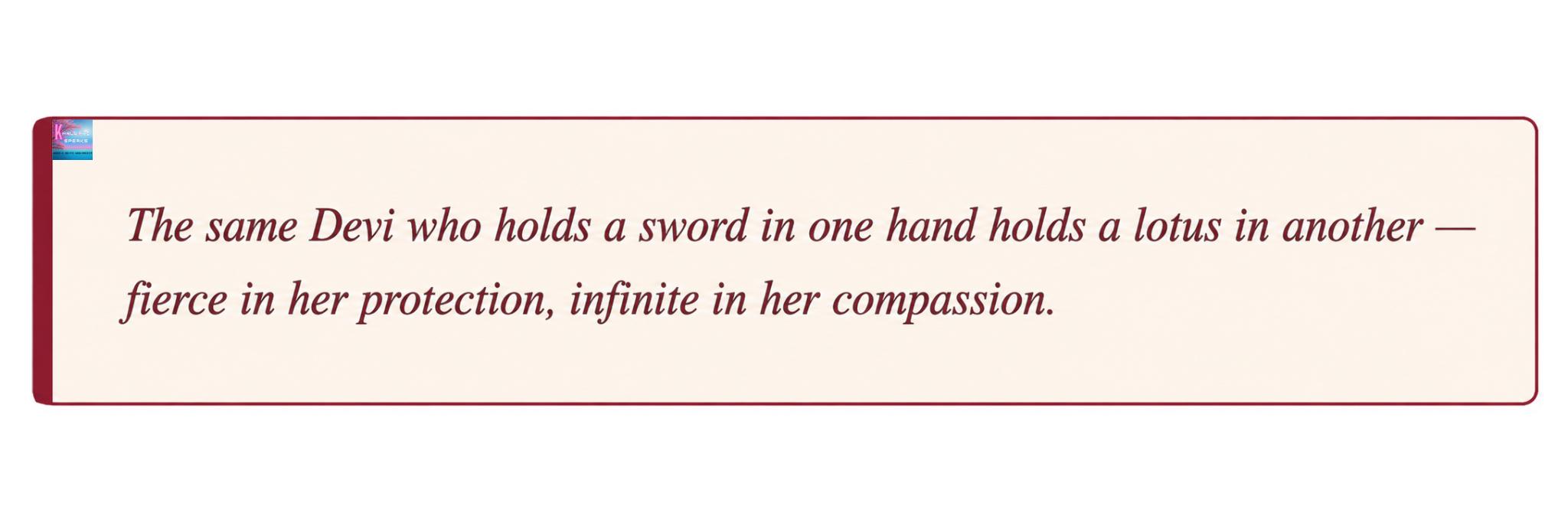
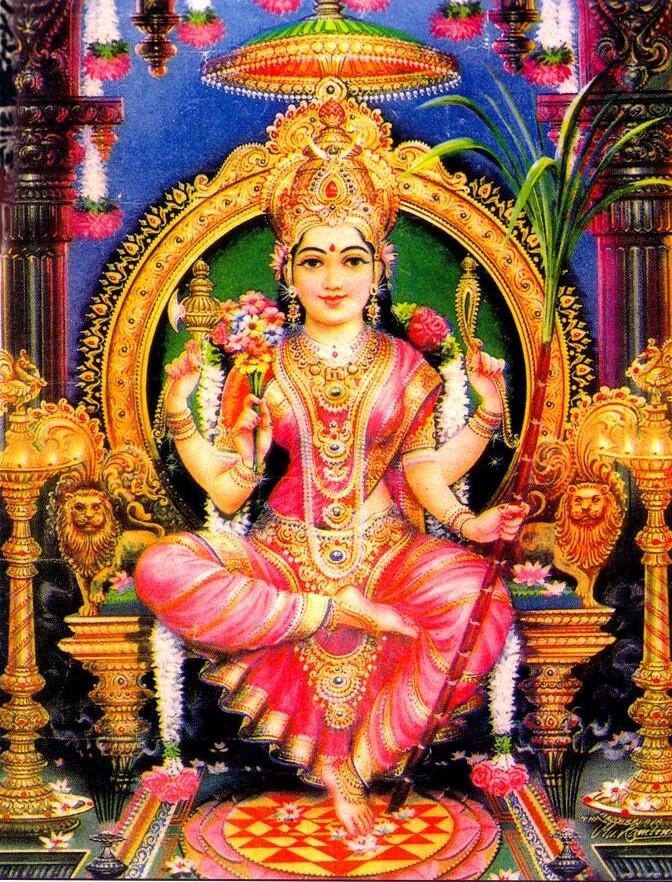
In the Shakta tradition, Devi — worshipped as Durga, Kali, Lakshmi, and countless other forms — is Jagadamba, Mother of the World. She is Adi Shakti, the primordial energy from which all creation emerges. Her forgiveness is not an act of condescension; it flows from her very nature — karuna,compassion, as inseparable from her as light is from the sun.
THE OLDEST MOTHER’S DAY PRAYER
Mother’s Day as a modern holiday traces back to Anna Jarvis’s campaign in early 20th-century America. Yet its emotional core — gratitude for unconditional love, the desire to be forgiven by the one who bore us — is as old as humanity. In this light, the Devi Aparadha Stotram may be one of the oldest Mother’s Day prayers ever composed. Long before greeting cards, a philosopher-poet sat before the goddess and did exactly what children across the world do each May: he thought of everything he had
not done well enough, and trusted that love would cover the distance.
Perhaps every Mother’s Day card, at its most honest, is a small Devi Aparadha Stotram — saying: I have not always been the child you deserved. And yet I return, because I have always known you will not turn me away.
The stotra endures because it tells the truth about the child, and finds in the Mother— cosmic or earthly — not the peace of earned approval, but the peace of accepted love.
Comments (3)