The Faithful and the Forgotten: Loyalty in The Odyssey!


Odysseus takes ten years to come home. His wife takes ten years to wait. But the epic's real architecture is not built on these two alone — it survives on a whole scaffolding of lesser loyalties, the kind that ask nothing and expect no epic to be written about them.Who Carries It? Let's take a look.
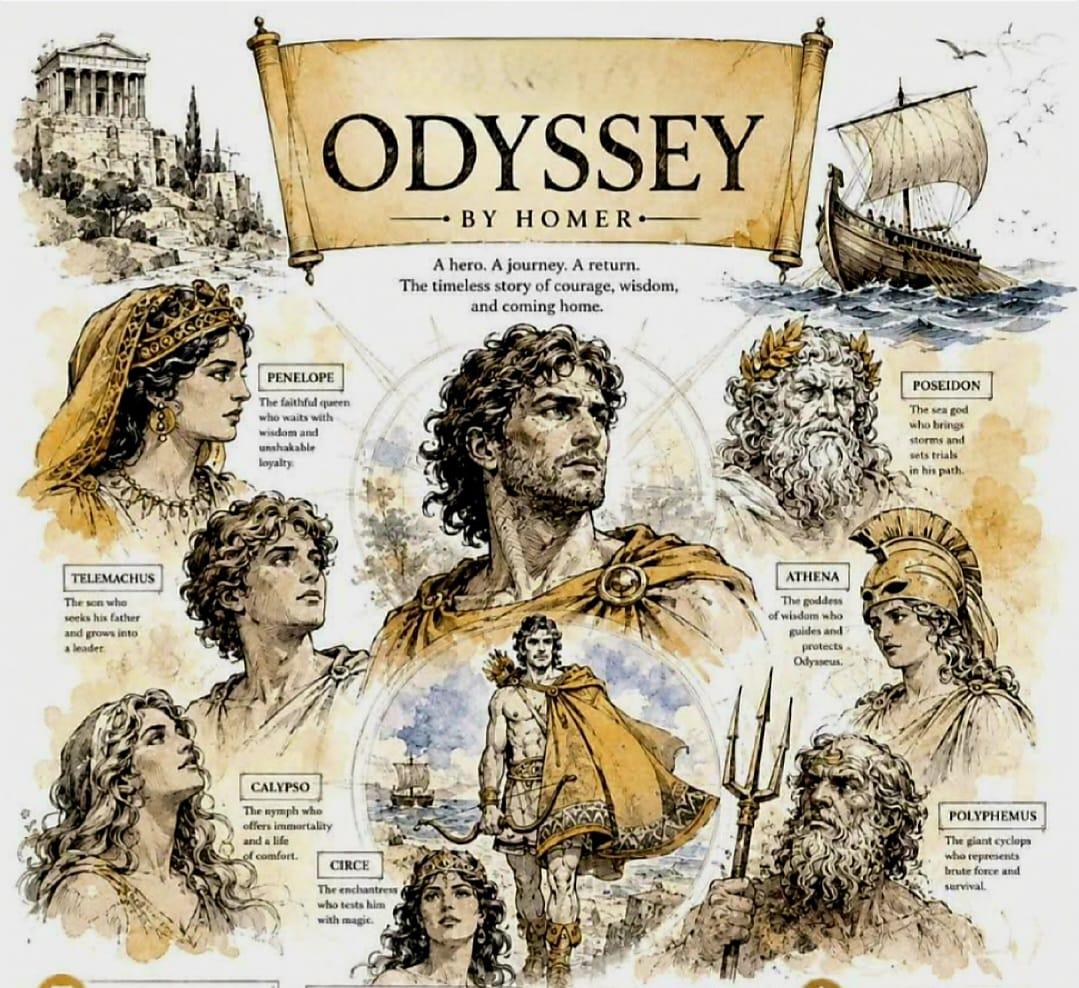
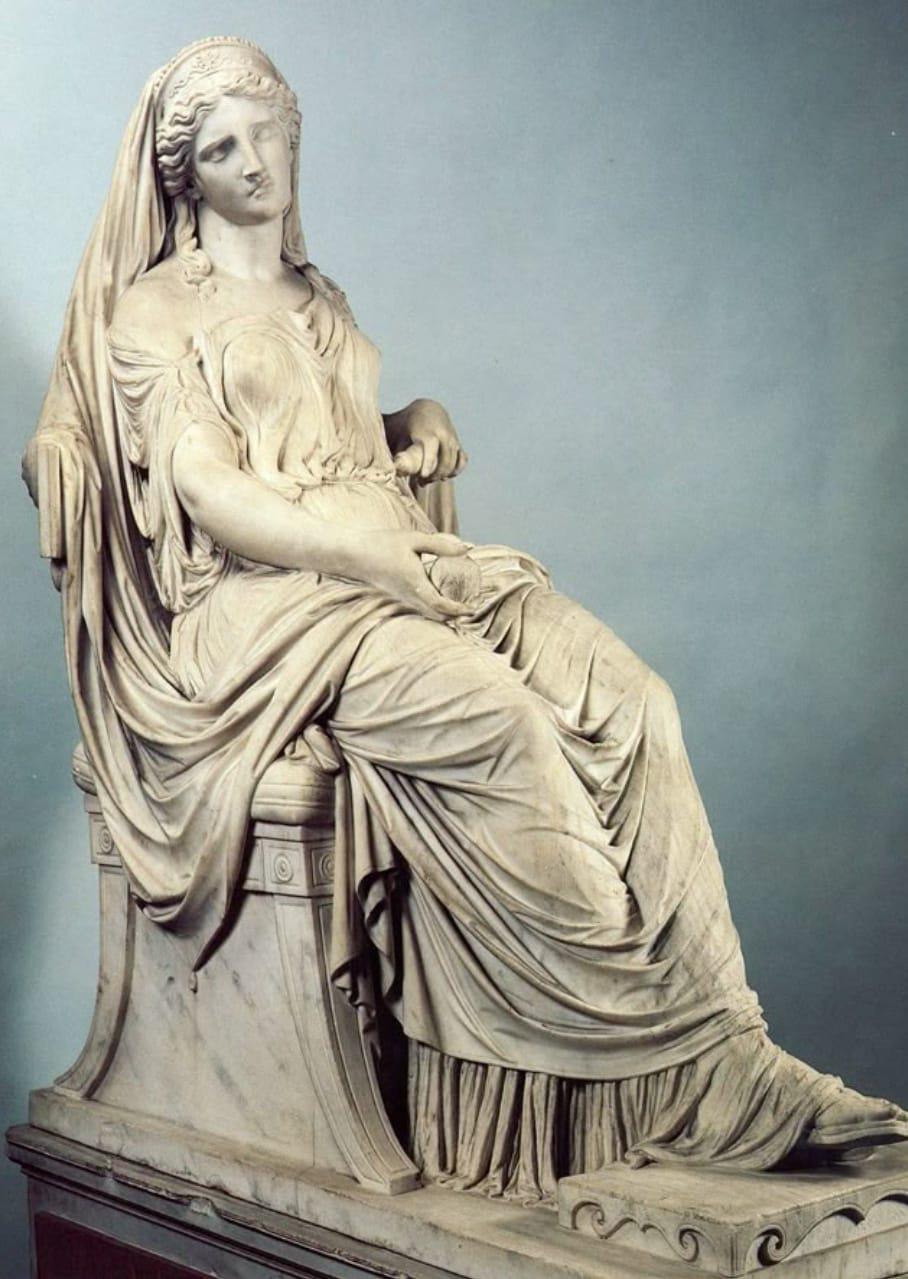
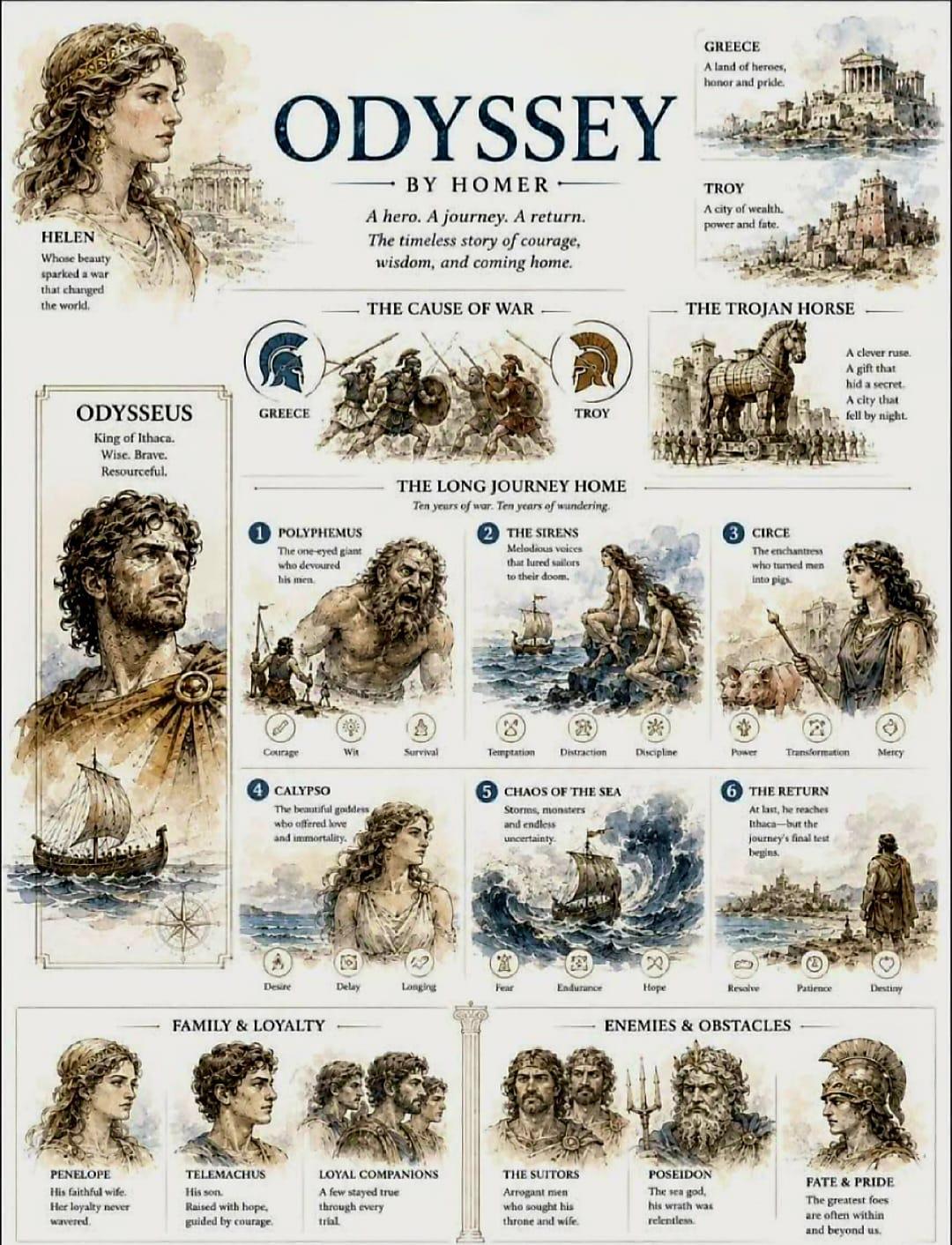
Penelope is loyalty as strategy, not sentiment. She does not simply wait — she outwits a hundred suitors for years by weaving Laertes' shroud by day and unpicking it by night. Her fidelity is intelligent, almost adversarial. She protects Odysseus's throne with the same cunning he uses to survive Poseidon.
Telemachus inherits loyalty before he inherits a father. He grows up defending a house he barely remembers being whole, and his journey to Pylos and Sparta is less a coming-of-age than an apprenticeship in devotion — to a name, to a memory, to an absence.
Eumaeus, the swineherd, is the epic's quietest moral centre. He shelters a beggar he doesn't recognise as his king, feeds him from his own poverty, and speaks of Odysseus with a grief that has never hardened into resignation. His loyalty costs him nothing in gold and everything in hope.
Eurycleia, the old nurse, recognises Odysseus by a childhood scar and keeps his secret at the risk of her life. Hers is loyalty as memory — she is the only one who has known him long enough to see past the disguise.
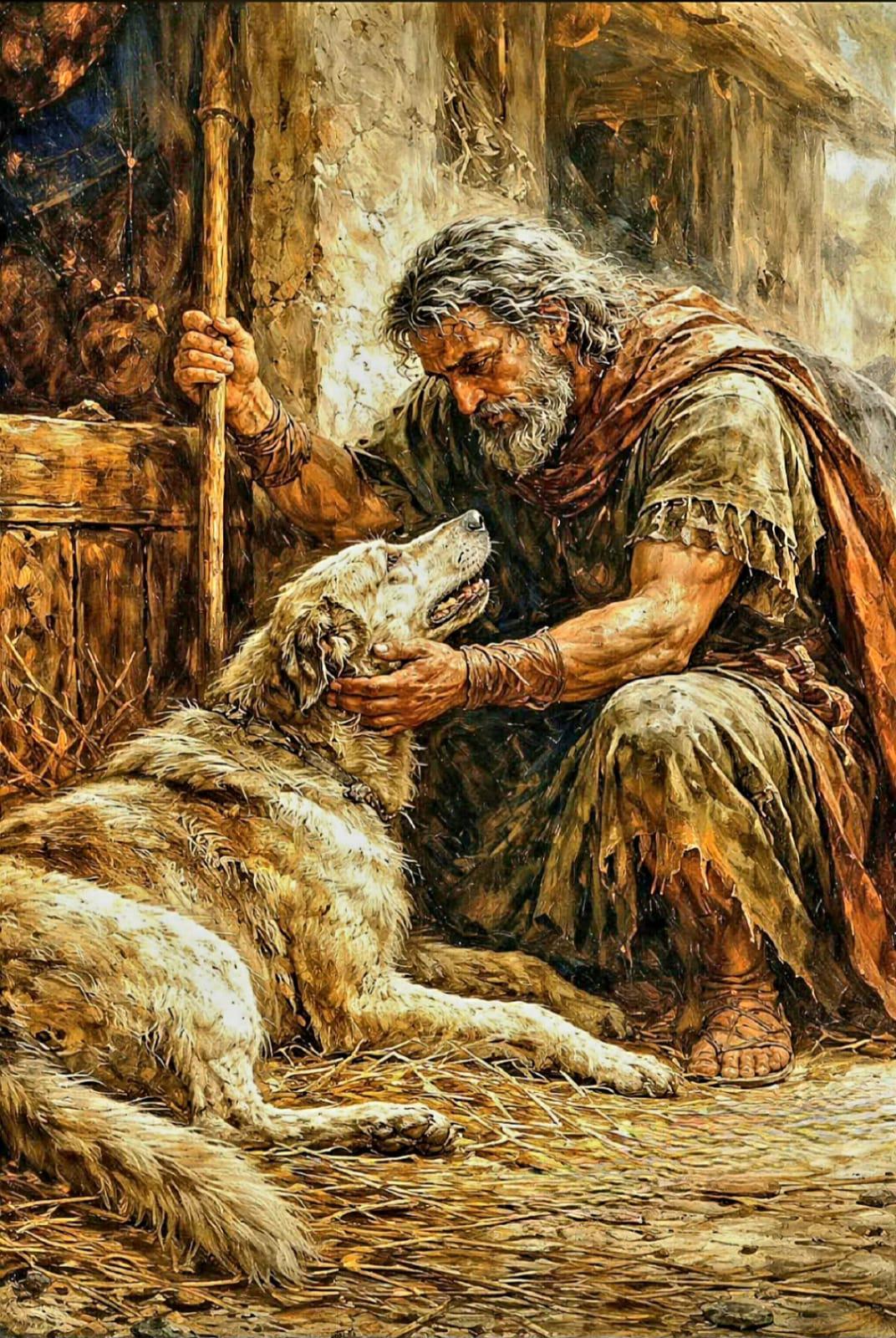
Argos, the dog, waits twenty years, recognises his master in an instant, and dies. Nineteen lines. No speech. Homer needed none. Even the suitors exist to throw this into relief — their opportunism is the negative space around which every faithful character is drawn.
Loyalty in the Odyssey is never sentimental — it is load-bearing. It is what allows a kingdom to survive an absent king, a marriage to survive twenty years, a man to survive his own myth. Homer does not moralise about it; he simply shows what holds when everything else — gods, monsters, time itself — conspires to break it.That is the epic's real trick. War stories end. Homecoming stories only work if someone stayed.
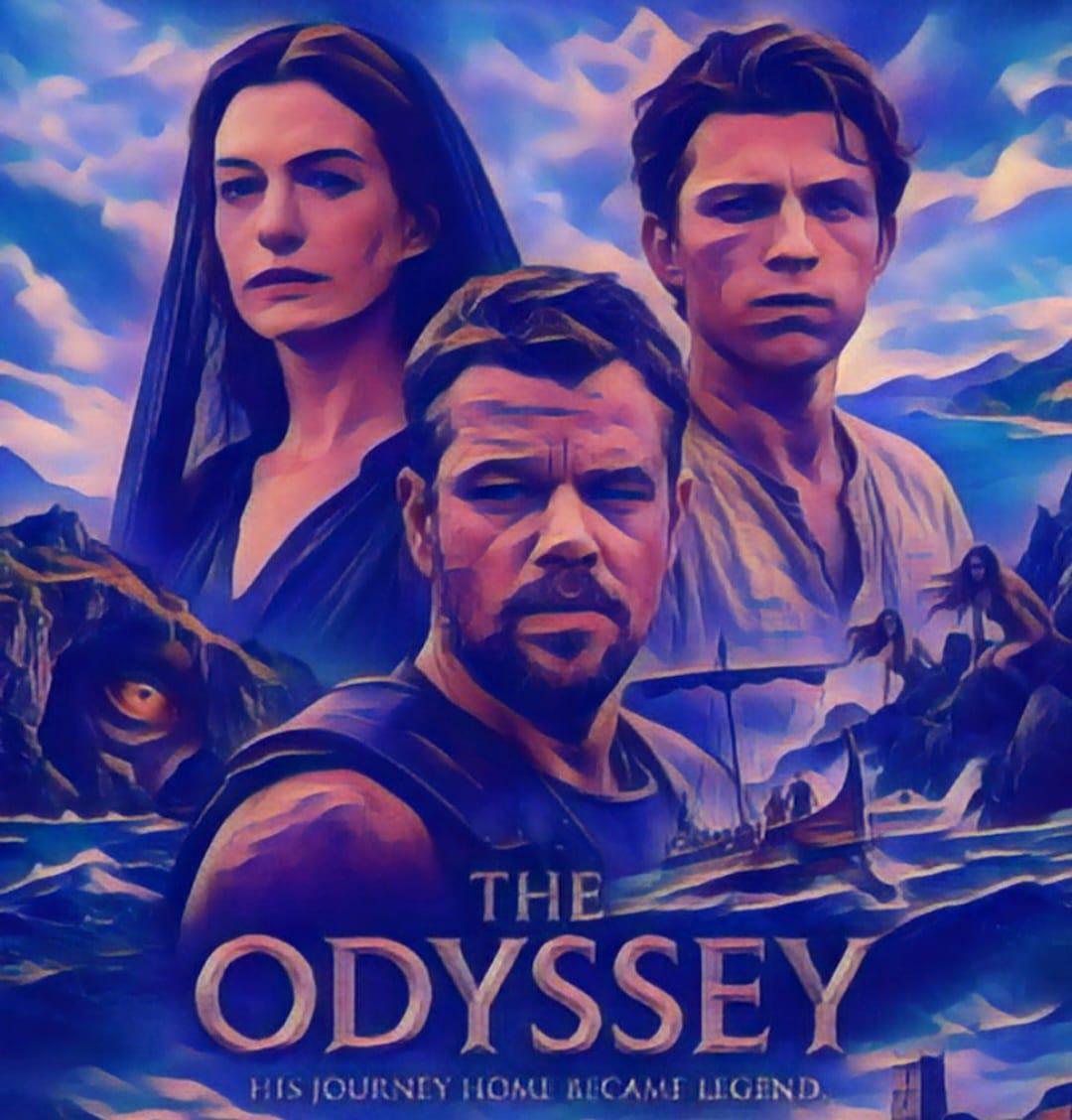
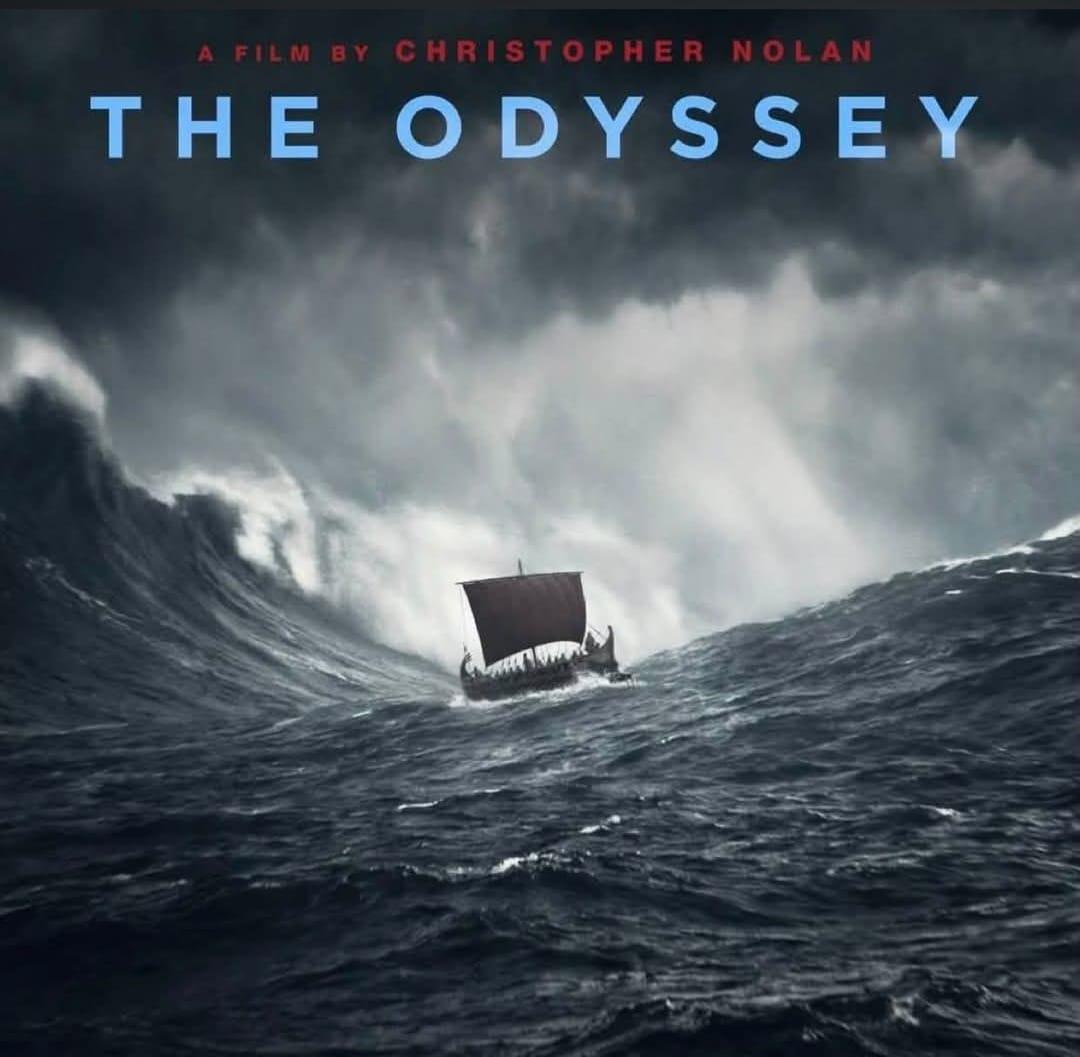
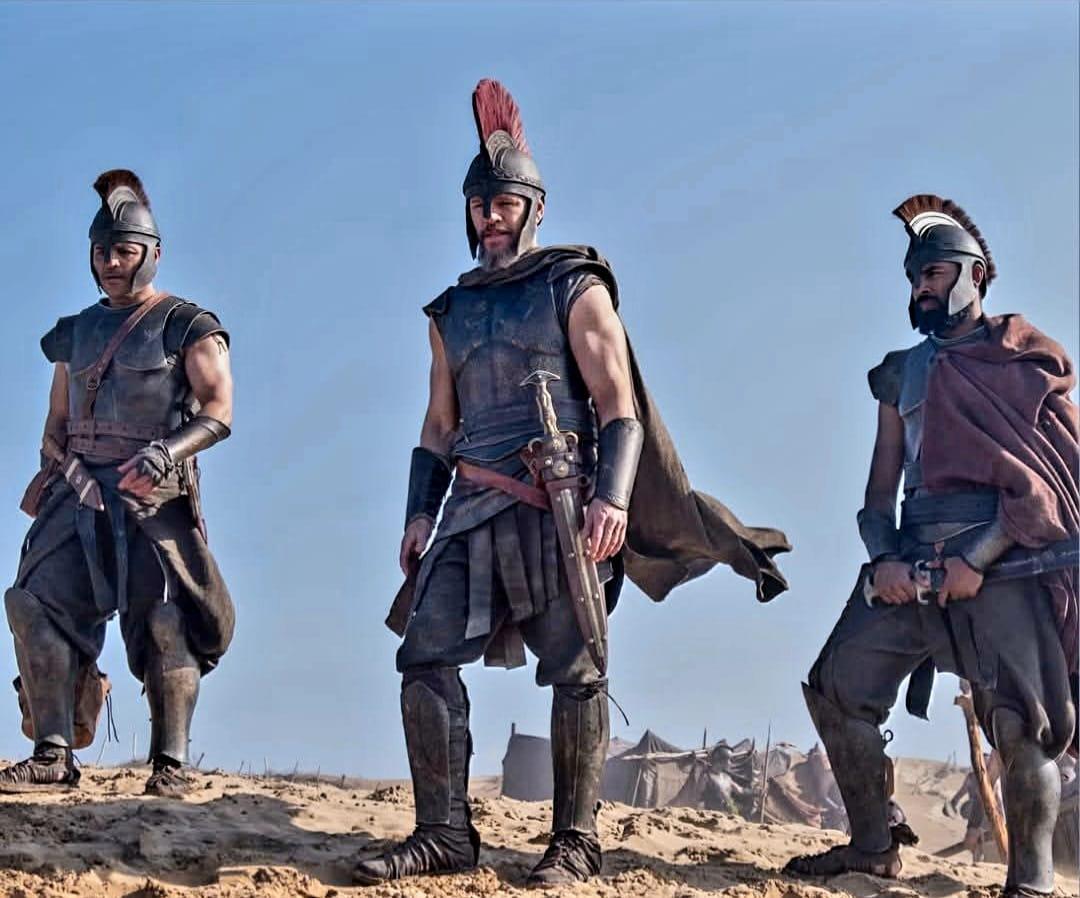
Christopher Nolan's 2026 adaptation, shot entirely in IMAX 70mm, casts this architecture of loyalty with deliberate weight. Matt Damon plays Odysseus, the man loyalty is owed to and who must prove himself worthy of it on arrival. Anne Hathaway plays Penelope opposite him — the film's emotional keel. Tom Holland plays Telemachus, inheriting the wait. John Leguizamo takes on Eumaeus, described as Odysseus's loyal friend in the adaptation. Robert Pattinson plays Antinous, the most prominent of the suitors — loyalty's opposite number. Zendaya plays Athena, whose divine favour is its own kind of fidelity, sustained across the whole poem.
A few other threads of thought on the matter that's worth pondering! The word Homer uses for Penelope's fidelity, "pistis", is the same root that later comes to mean "faith" in Greek religious vocabulary — loyalty and belief share an etymology. Odysseus's own loyalty is the poem's most uncomfortable question. He delays with Circe, is held by Calypso — the epic never fully resolves whether his homecoming is loyalty rewarded or loyalty forgiven.
The recognition scenes — the scar, the dog, the marriage bed built around a living olive tree — are all tests of loyalty disguised as tests of identity. To be recognised, in this poem, is to have been faithfully remembered. Ithaca is not saved by strength. It is saved by everyone who refused to stop waiting. Therein, lies the beauty and the power.
Note:(pics from internet for illustration only)

-SunheriSufi
Comments (6)