The Fish With a Foreign Policy!


No fish has diplomatic relations. Hilsa does.It belongs, taxonomically, to the herring family — Clupeidae, not the more exotic-sounding name it sometimes gets mistaken for — and was once filed by the British as "Indian shad." Tenualosa ilisha is the Latin. Bangladesh is where it lives most: something between three-quarters and nearly all of the world's hilsa catch comes from its waters, depending on the year and who's counting. That single fact explains almost everything that follows — the politics, the poetry, the prices.
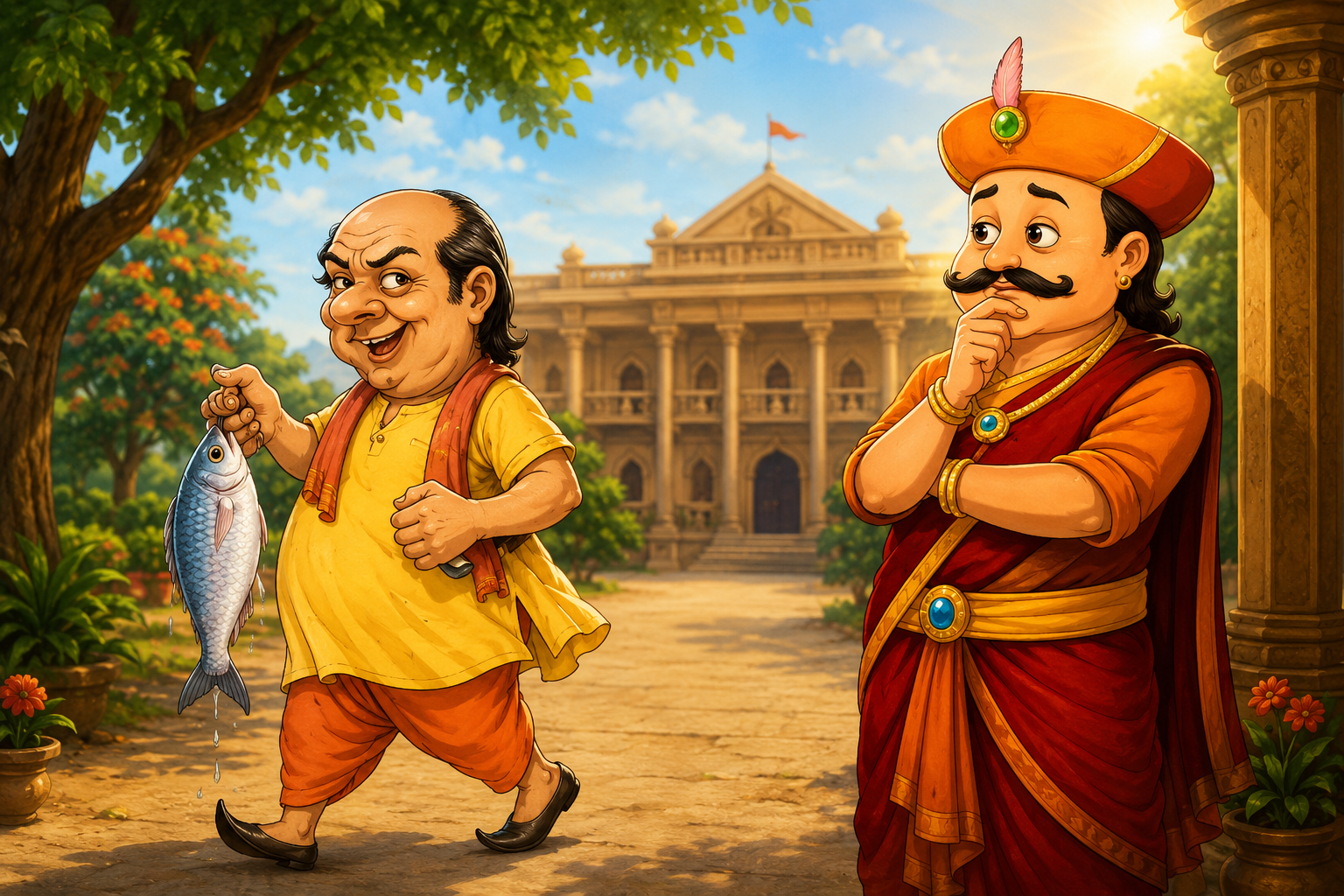
Start with the folklore, because Bengal did. In the NCERT staple every Bengali child knows, King Krishnachandra grows so sick of his court's chatter about hilsa season that he dares his cleverest courtier, Gopal Bhar, to carry a hilsa through the streets and into the palace without a single soul remarking on it. Gopal wins by making a spectacle of himself instead — half-shaved head, ash-smeared, dressed in rags — so that everyone stares at the madman and nobody notices the fish in his hand. The king gets his silence; Gopal gets his point.
Literature took it more seriously. Tagore wrote of it. So did Jibanananda Das. Buddhadeb Basu gave it a poem simply titled "Ilish." Manik Bandopadhyay built an entire novel, Padma Nadir Majhi, around the fishermen whose lives rose and fell with its migrations. N. Kunjamohon Singh wrote of its taste from Manipur. A fish that swims into that much verse has stopped being a fish and become an argument for something — usually home.
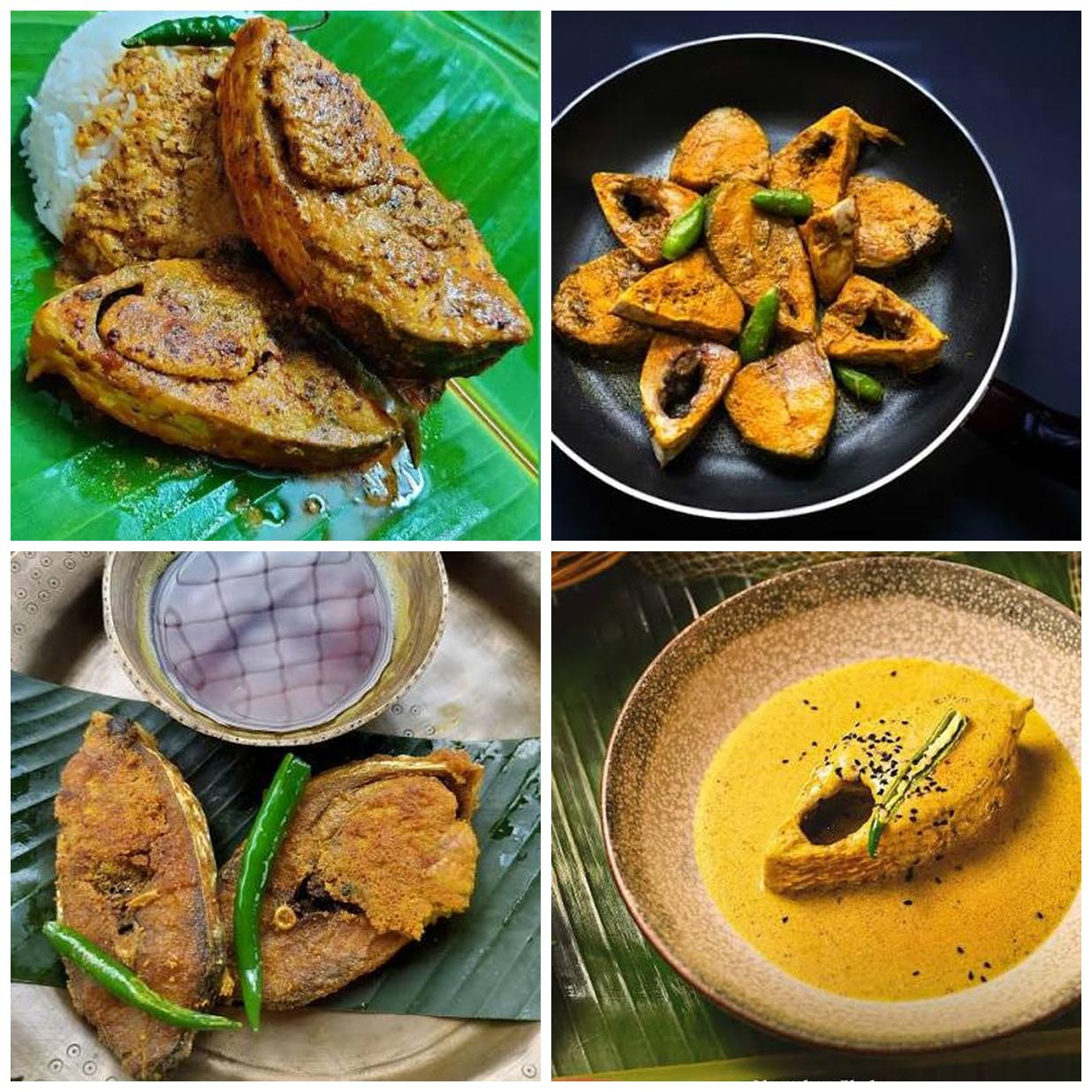
It broke a caste rule on its way to the page. Bengali Brahmins, unlike Brahmins almost everywhere else in India, eat fish freely, and hilsa sits at the head of that table — offered to Lakshmi in pairs during Puja, eaten with panta bhat on Bengali New Year, present at nearly every occasion that matters. A true Bengali, the old line goes, can strip the meat from a mouthful of hilsa with tongue and teeth alone, banking the bones to one side without a hand ever touching the plate. Fail that test and your citizenship is in question.
Screens have caught the fever too, if more modestly than the page. Haldaa (2017) turned the hilsa-breeding Halda river into the setting for a Bangladeshi drama about the fishermen who depend on it. A short documentary that same year, The Ilish People, did the same in plainer form. And when Dibakar Banerjee shot a hilsa curry scene for Detective Byomkesh Bakshy!, the story goes that the fish on set wasn't hilsa at all but pomfret standing in — proof that even Bollywood knows the real thing is too expensive, too seasonal, too temperamental to trust to a shooting schedule.

Sourav Ganguly, cricketer turned mustard-oil ambassador, calls hilsa less a food than a memory his kitchen keeps returning him to — the line he's paid to say, and the one that happens to be true anyway.Geography did what caste couldn't: split Bengalis into factions. Bangladeshis hold the plumper Padma hilsa above all rivals and grant the Ganga's version the faintest of concessions — yes, technically also hilsa. West Bengal returns the favour with pity rather than argument, certain their cousins across the border have simply never tasted the real thing. Football picks its own side of this feud: East Bengal fans mark a win with hilsa, Mohun Bagan's with prawns, and the fish bazaar profits from both convictions.
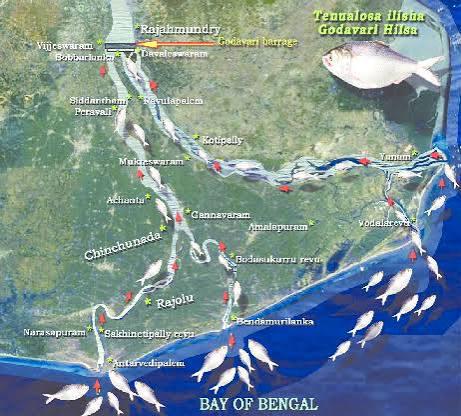
Elsewhere it wears other names and other price tags. In the Godavari, monsoon hilsa becomes Pulasa, a delicacy that can run past fifteen thousand rupees a kilo. In the Narmada, Mumbai's markets know it as Pala. And in 2023, after the Farakka Barrage had kept it out of the upper Ganga for nearly thirty years, hilsa reappeared in Chandauli, Uttar Pradesh — a fish returning to water it hadn't seen since before most of its current admirers were born.
Then there's the diplomacy, which is not a metaphor. In 1996, before the Ganges Water Treaty was signed, Sheikh Hasina sent hilsa to West Bengal's Jyoti Basu — a gesture repeated for Mamata Banerjee in 2016 and Pranab Mukherjee in 2017, twenty kilos at a time. In 2011, an Indian prime minister who had never in his life eaten meat said he'd break his own vegetarian vow for it, on a state visit to Dhaka. In 2024, Bangladesh's interim government briefly banned hilsa exports to India and called it a domestic pricing matter; almost no one in Kolkata believed that was the whole story, and the ban was gone within a fortnight.
A country's most guarded fish turns out to be its softest form of diplomacy. Everything else — the treaties, the grievances, the borders — negotiates.
Hilsa just arrives, and everyone remembers why they wanted peace in the first place.
আকাশে আষাঢ় এলো; বাংলাদেশ বর্ষায় বিহ্বল।
"Akāśe Āṣāṛh elo; Bāṃglādeś barṣāy bihbal".
Asharh has arrived in the sky; Bengal is overwhelmed by the monsoon.
মেঘবর্ণ মেঘনার তীরে-তীরে নারিকেলসারি…
"Meghabarṇa Meghnār tīre-tīre nārikel-sāri…"
Along the banks of the cloud-coloured Meghna, rows of coconut palms…
জলের উজ্জ্বল শস্য
"Joler ujjwal śasya"
The luminous harvest of the waters. ( From the poem Illish by Budhadeb Basu)
Comments (5)