The Great Emu War: When the Birds Refused to Surrender!


History has no shortage of improbable episodes. Few, however, rival the spectacle of a modern army taking on a flock of flightless birds—and losing the argument.
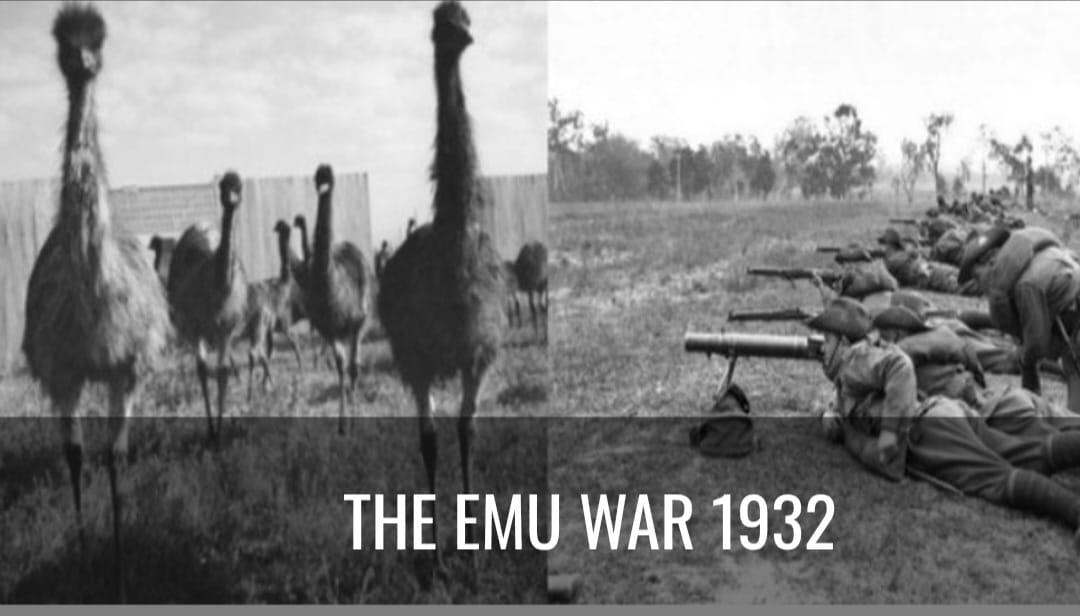
In 1932, after a punishing drought, thousands of emus wandered into the wheat fields of Western Australia. They feasted on crops, demolished fences and, in the process, drove already struggling farmers to desperation. The government's response was extraordinary: send in the army.Armed with Lewis machine guns, the soldiers expected a swift victory.
The emus had other ideas.The birds scattered instead of flocking together, sprinted across the scrub with astonishing speed and proved maddeningly difficult to hit. Machine guns jammed. Carefully laid ambushes dissolved into farce.
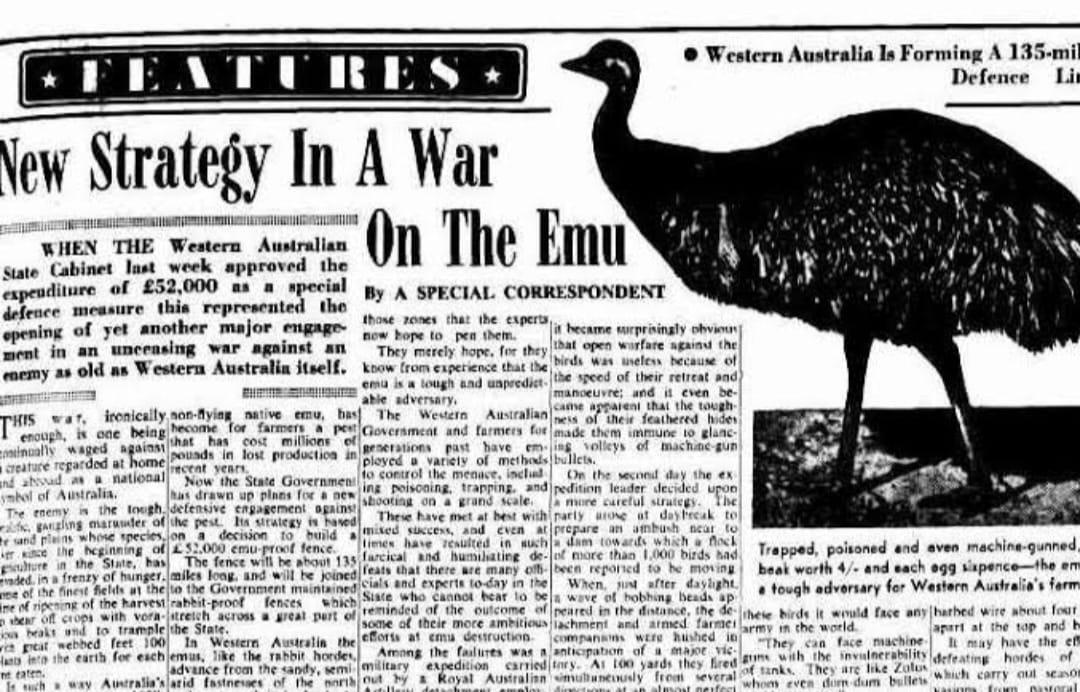
If the emus lacked strategy, they possessed something just as valuable—an instinct for survival that repeatedly outmanoeuvred military planning.The army returned for a second campaign.The ending did not improve.
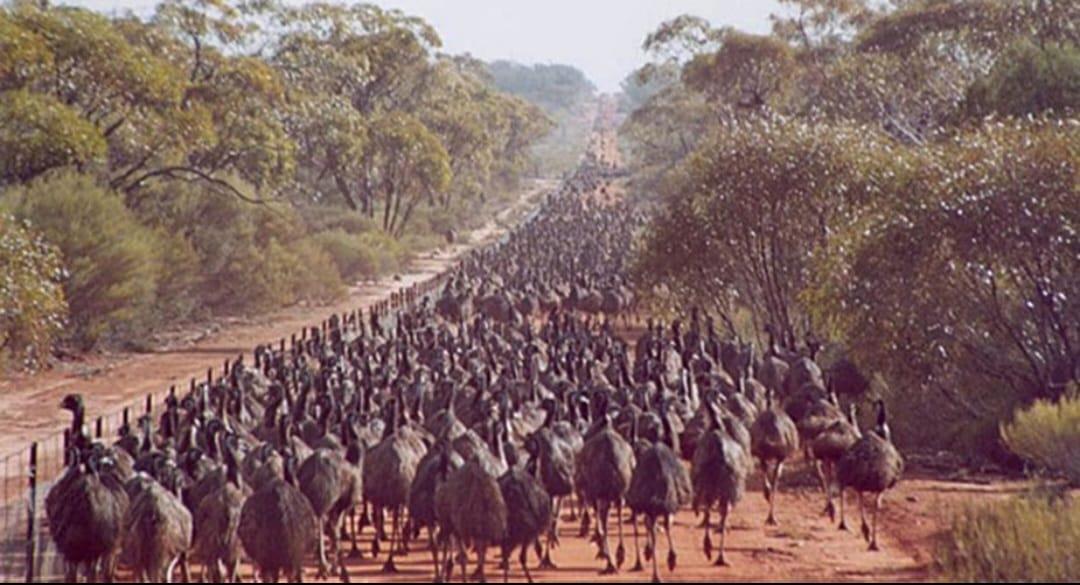
While some emus were eventually killed, the invasion was never truly contained. The soldiers withdrew, and Australia quietly discovered that sturdy fences achieved what bullets could not.
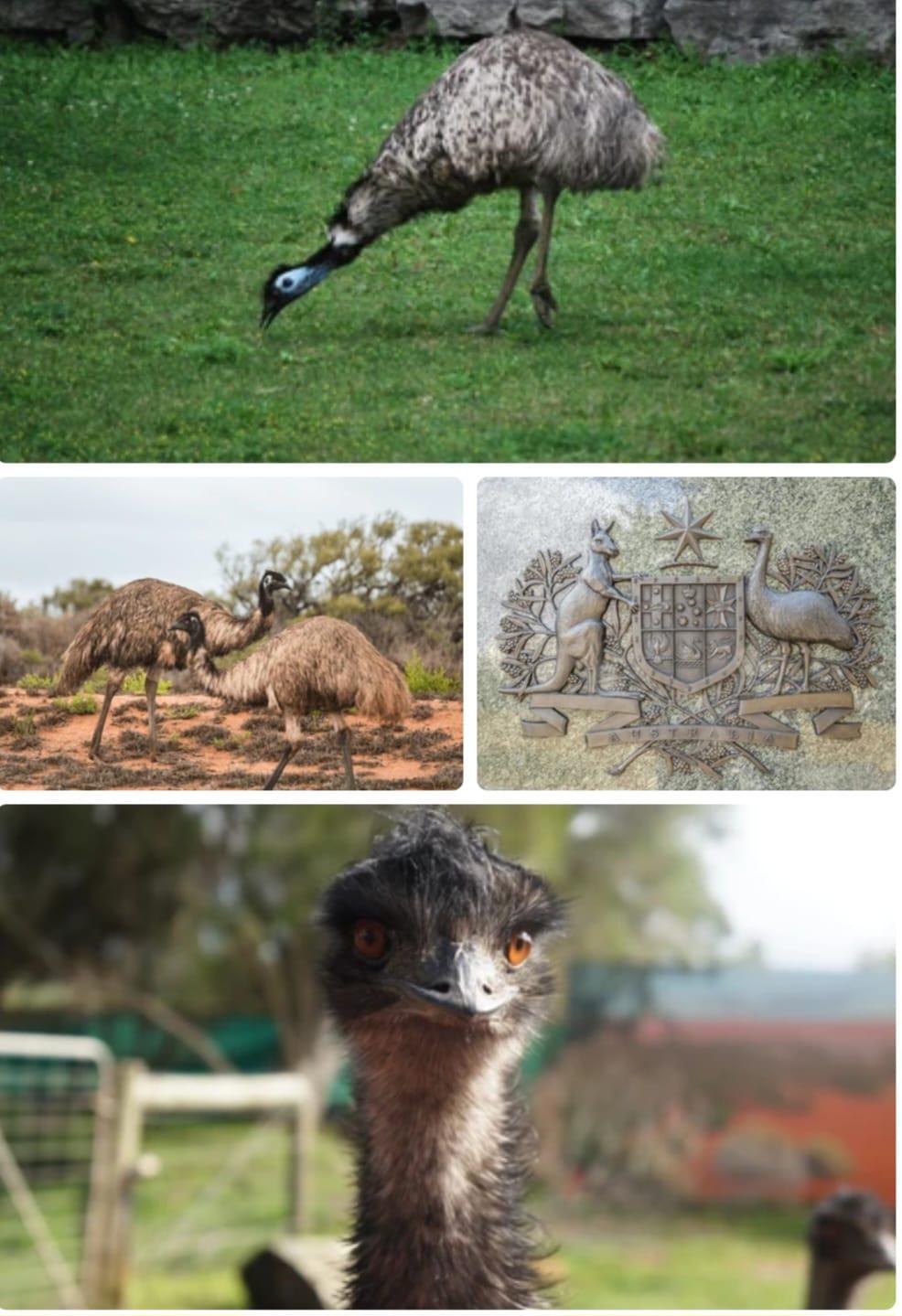
The Great Emu War survives not because of its casualties, but because of its comedy. It is a reminder that history occasionally smiles at itself—and that nature, indifferent to rank, rifles and reputation, has a habit of humbling human certainty.
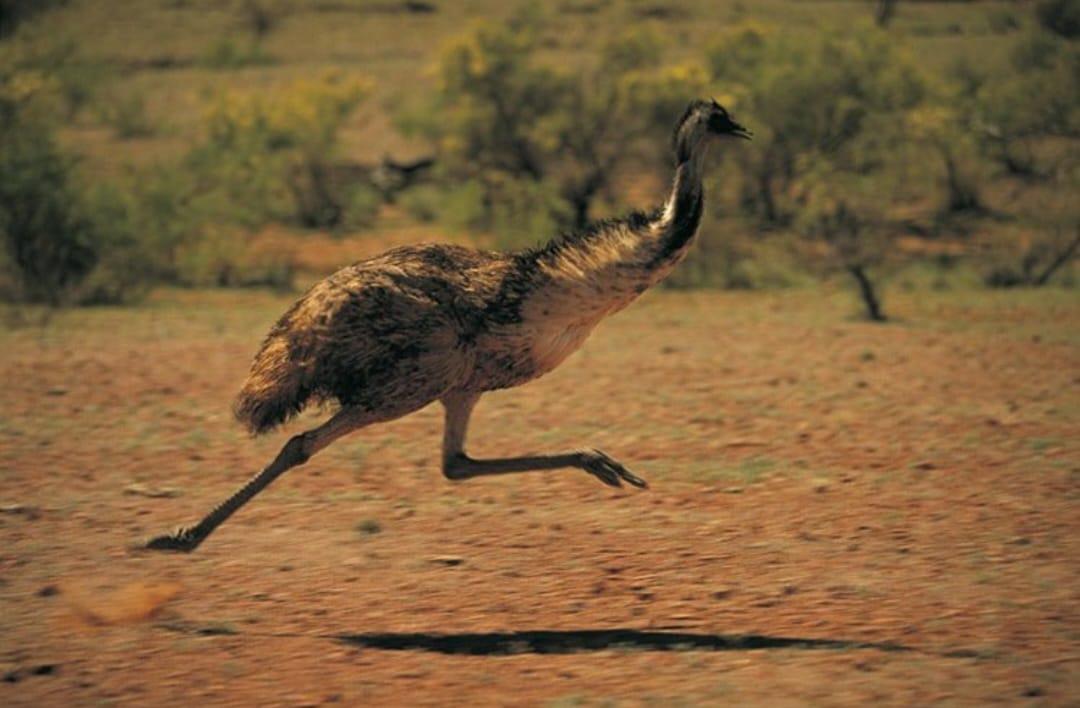
One cannot help imagining the emus, had they possessed a sense of irony, striding away from the battlefield with all the quiet dignity of victors.If there is one conflict where history's last laugh belonged to the birds, this was it.
Note:(pics from internet for illustration only)
Comments (12)