The Letter That Outlasted the War!


(what survives when the guns fall silent) Twelve minutes. That is how long it took the USS Indianapolis to sink on July 30, 1945, days after she delivered the components of the bomb that would fall on Hiroshima. A Japanese submarine, I-58, put two torpedoes into her. Of 1,196 men aboard, about 800 survived the sinking. Five days of sharks and thirst took most of them. Only 316 came home.
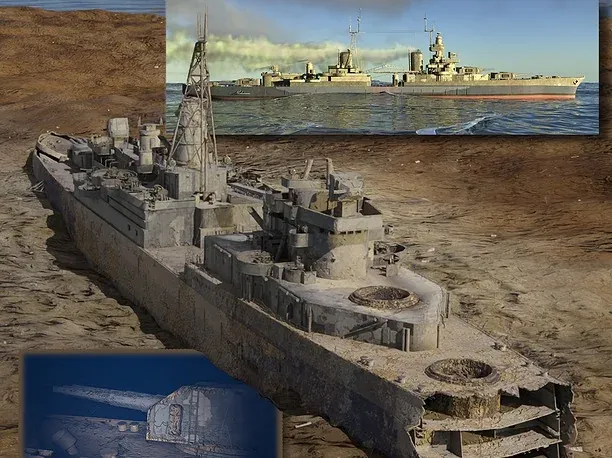
Eighty years later, the last man from each ship wrote to the other. Harold Bray was seventeen when Indianapolis went down. Kunshiro Kiyozumi was sixteen, the youngest sailor on I-58. By 2023, each was the sole survivor of his ship. Bray wrote first: no ill will, he said, toward Kiyozumi or his countrymen. There are no winners in a war. Kiyozumi wrote back from Japan, moved that two old enemies could now speak as friends.A pleasant story. But, not the point of it.
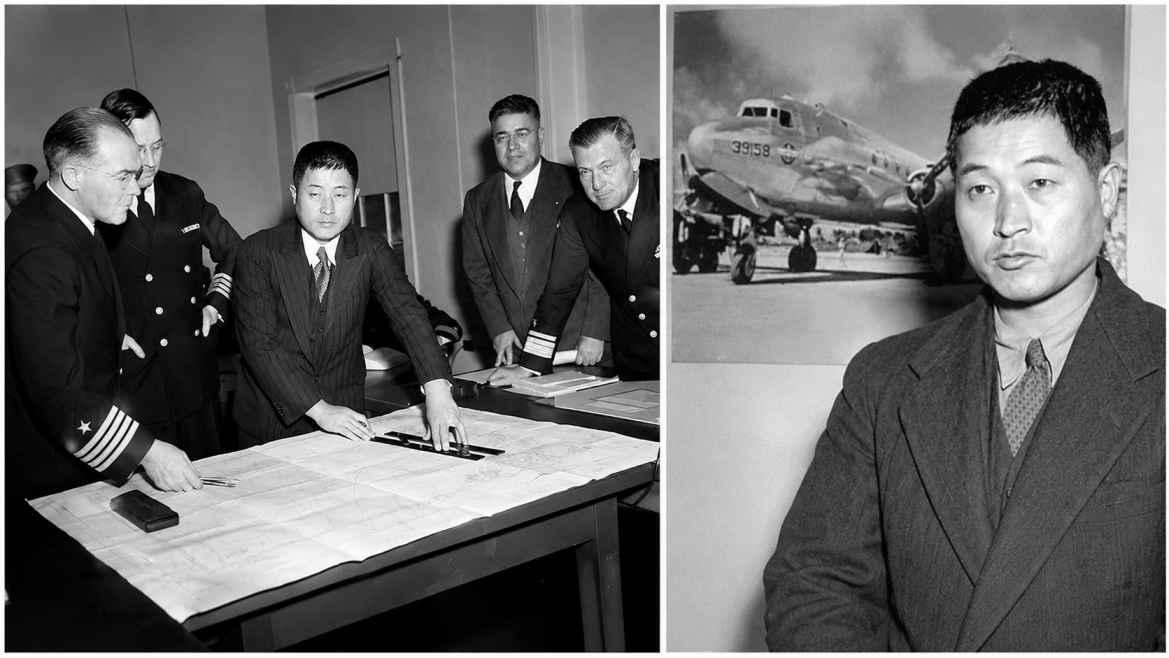
Bray's letter thanked Kiyozumi for one more thing: the conduct of I-58's commander, Mochitsura Hashimoto — the man who had sunk his ship. After the war, the U.S. Navy court-martialed Captain Charles McVay for failing to zigzag through submarine waters. The Navy summoned Hashimoto to testify against him. He refused the part written for him. Zigzagging would have made no difference, he told the court — six torpedoes in a spread, the ship was always going to be hit. An enemy commander crossed the Pacific to defend the man whose ship he had destroyed.
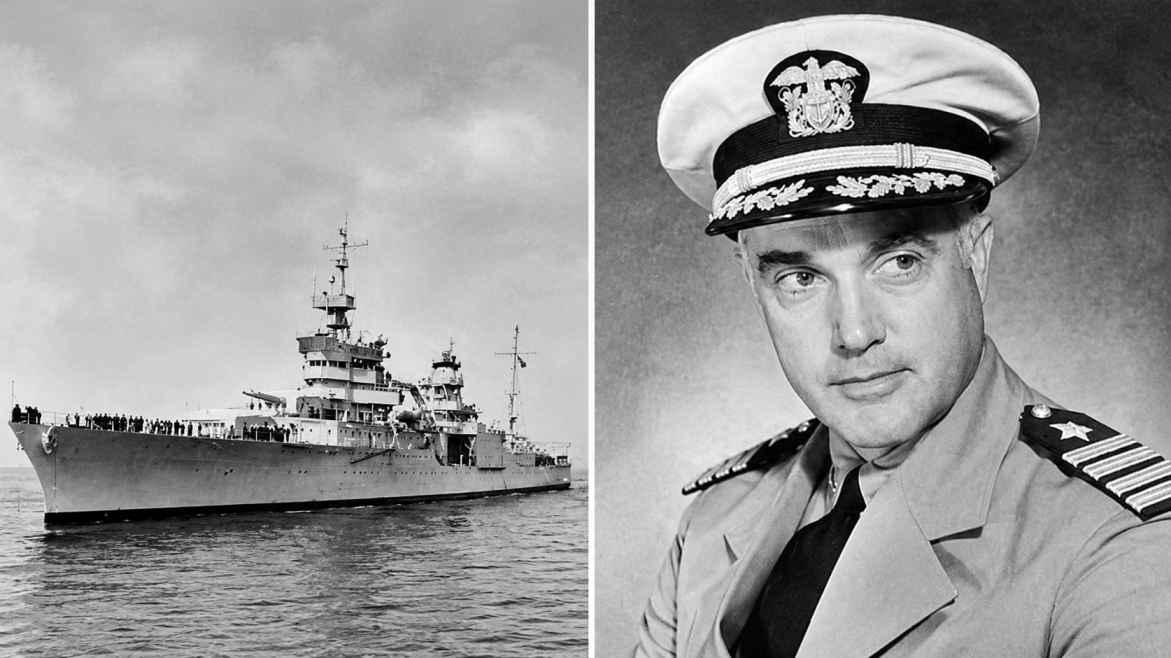
But, McVay was convicted anyway. He became the scapegoat for the Navy's own failures — an ignored distress call, four days before anyone noticed a cruiser had vanished — needed a name attached to them, and his was the only one available. He carried the stigma for twenty-three years, alone. In 1968 he ended his own life. Congress cleared him in 2000. Hashimoto had died months earlier. He did not live to see the acquittal he had travelled the world to argue for.
What really matters in the story here? Not two old sailors making peace — that could always to happen, given enough time and enough distance from the guns. The harder thing happened decades earlier, when an enemy officer owed an American captain nothing and gave him the truth anyway, in a courtroom built to punish him.
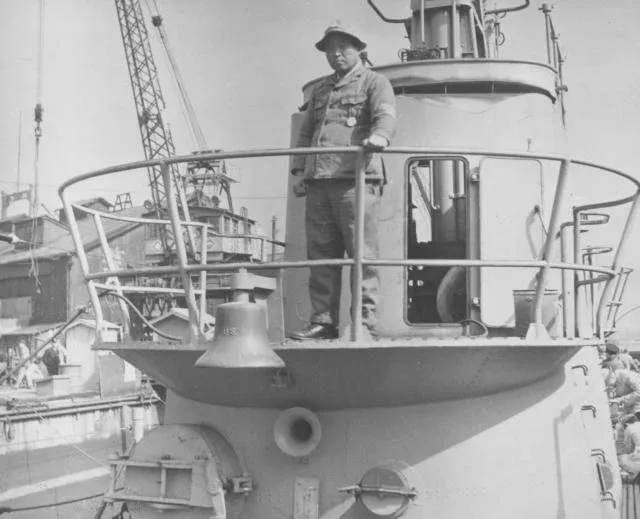
Courage. Kindness. Friendship. Character. These are the qualities that define us as human beings, and propel us, on occasion, to greatness.
There are two morals here, and they belong to different men. First, Hashimoto's: that honour can outrank victory, even after the war is won. Second, McVay's, written in reverse: that a bureaucracy needing someone to blame will take the nearest name, guilty or not. And, yes, Bray and Kiyozumi supply the third — that peace does not require an order from above. It only requires two people left willing to write the letter.
Note:(pics from internet for illustration only)
Comments (7)