The Man Who Refused to Bow!


Everyone remembers Thomas More for a book he wrote about a country that does not exist — UTOPIA, an imagined island nation he invented to hold up a mirror to the greed and folly of his own age. Almost no one remembers him for the England he actually inhabited — one where a single unshaken conscience could still cost a man his head, and where he walked toward that cost without flinching. Utopia was imagination. The scaffold was proof. That is the more interesting man. Not the author. The instrument.
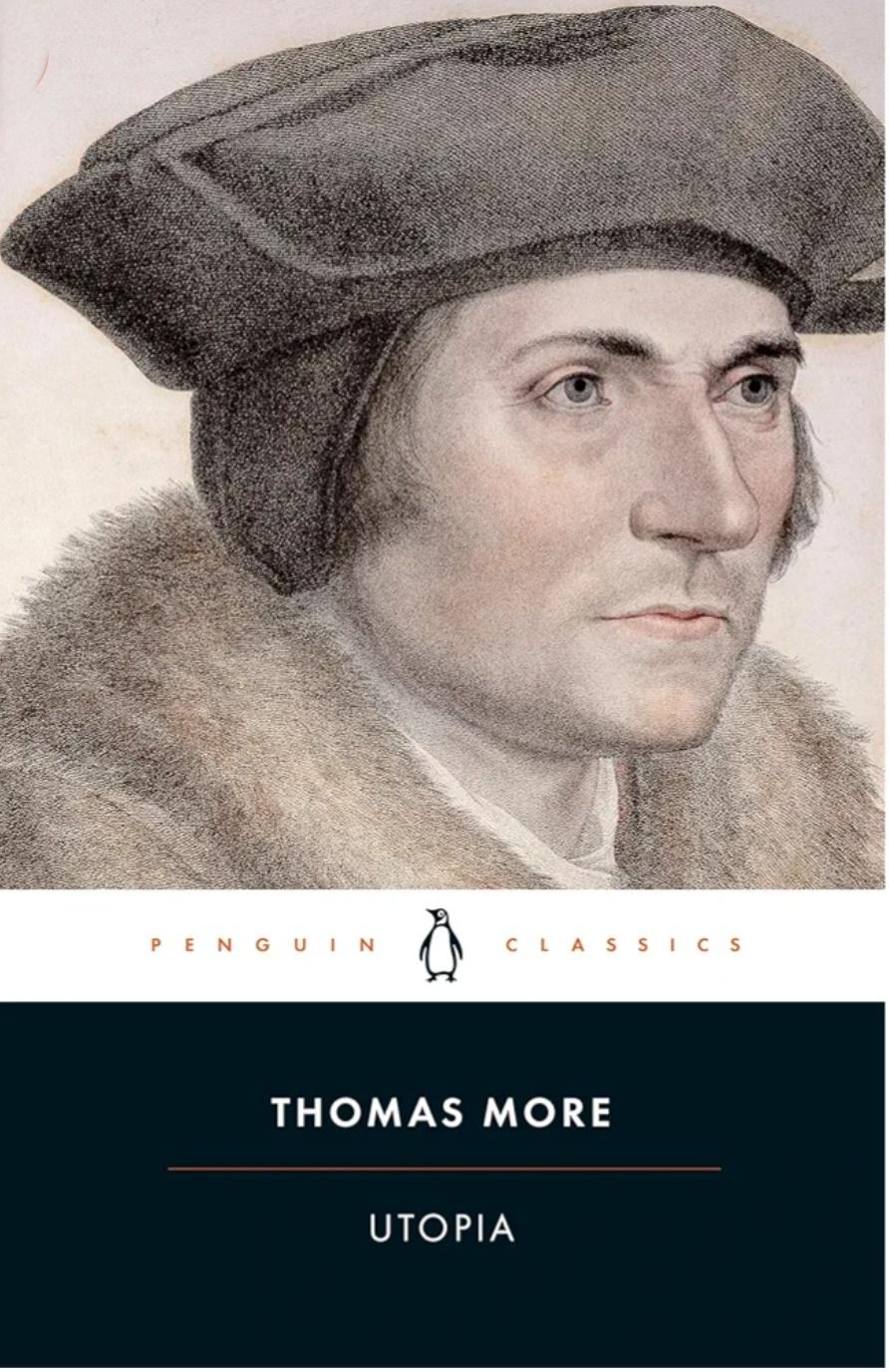
Historians have never settled which era owns him. He read Greek like a man born for the Renaissance, traded letters with the finest minds in Europe, sharpened his wit on satire and debate — and beneath the same expensive robes wore a hair shirt, fasted, and knelt for Mass every day of his life. He never treated these as contradictions. He simply refused the modern assumption that curiosity must come at the expense of devotion, or that devotion requires the surrender of intellect. He held both without strain, which is precisely why he still unsettles us. We have decided you must choose a side. He never got the memo.
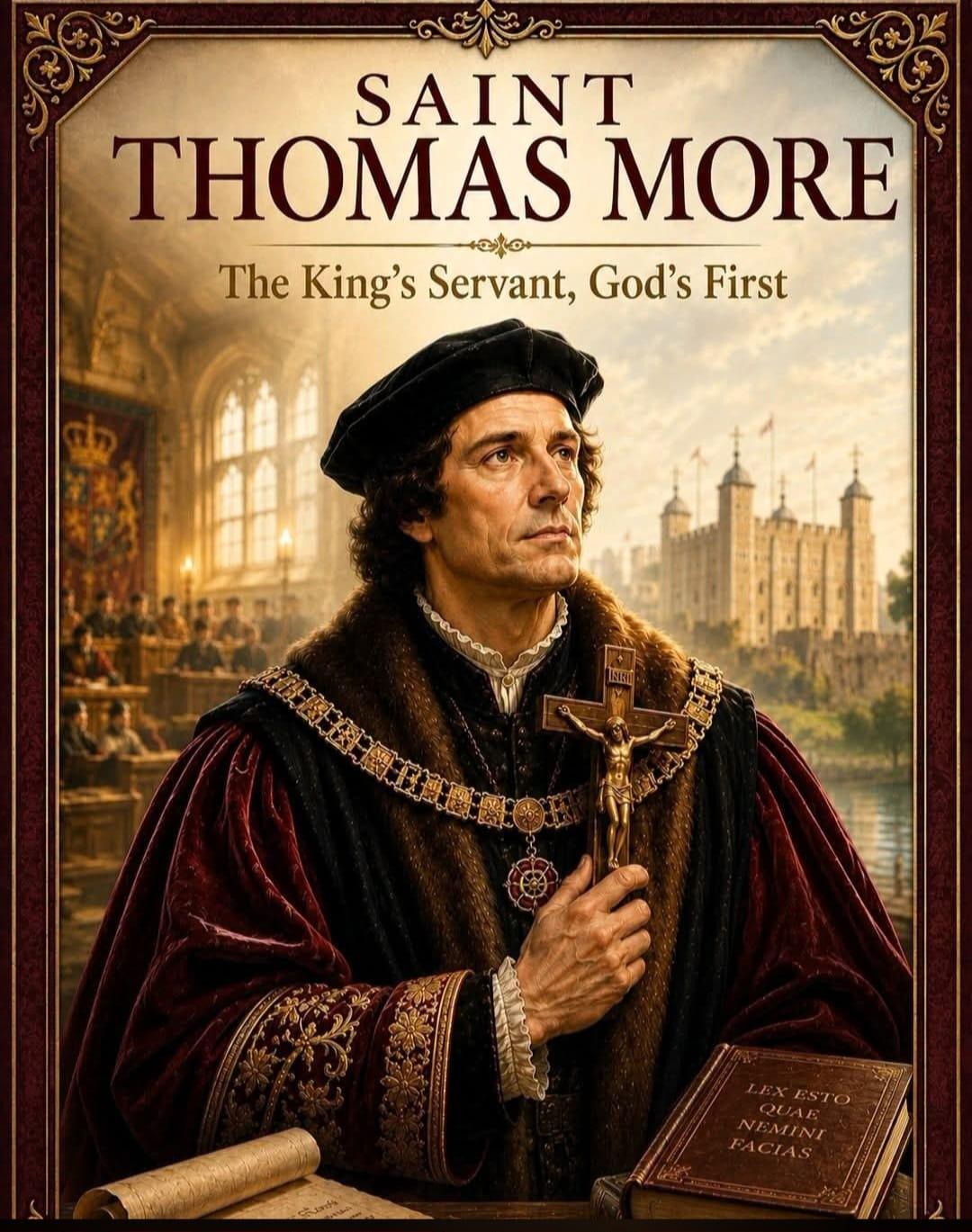
Most martyrs are remembered for their agony. More is remembered for his timing. In the Tower, he bantered with his jailers. Climbing the scaffold, worn down and condemned, he is said to have asked for a hand up, adding that he could manage the descent himself.
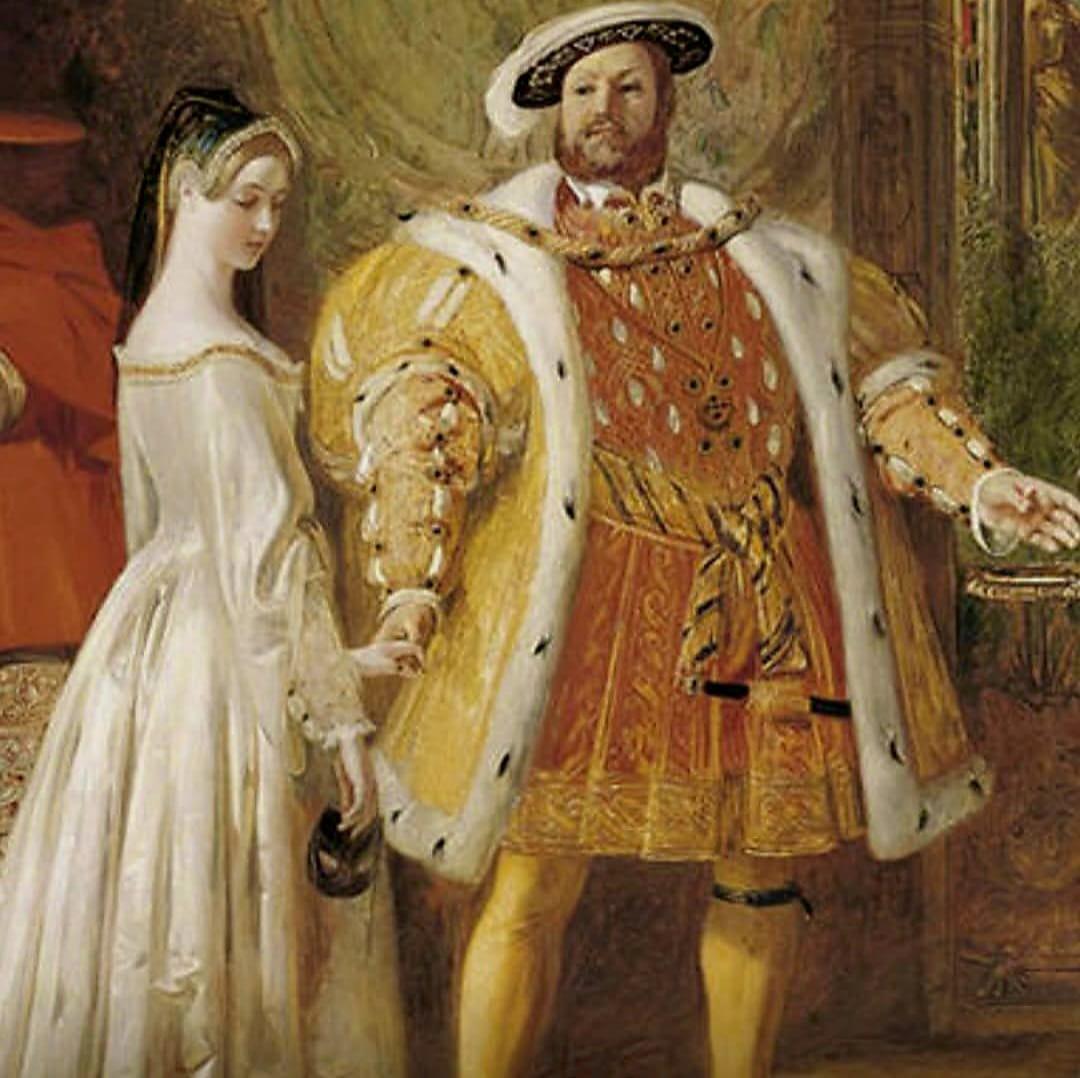
Before the blade fell, he moved his beard aside — it had committed no treason, he said, and deserved no punishment. This was not denial. A man who jokes on his way to death has already decided that death does not own him. His executioners could take the head. The wit walked out ahead of the axe and was never caught.
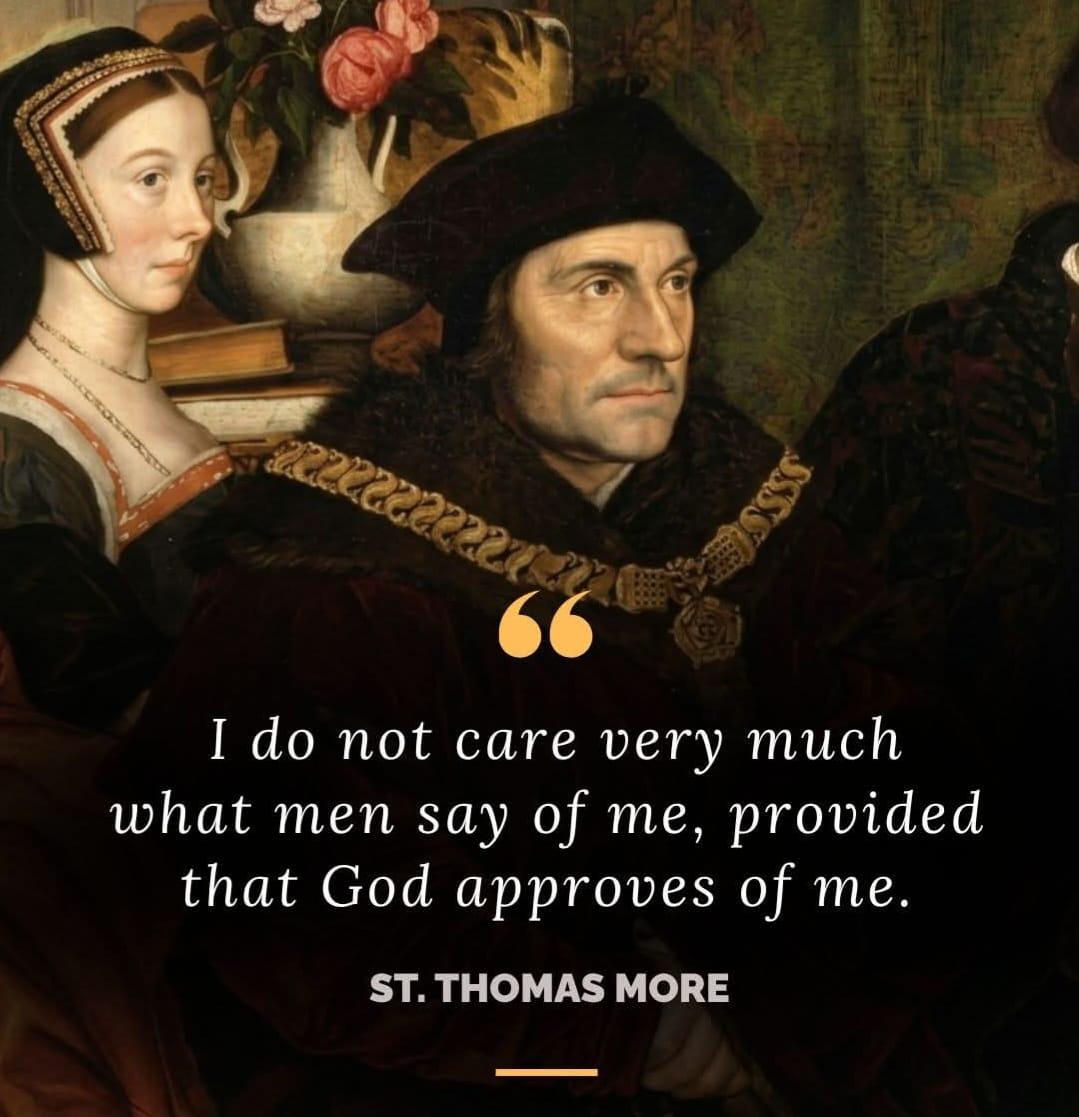
His household in Chelsea might be his least celebrated triumph and his most radical one. He gave his daughters the same education he gave his son — Latin, Greek, philosophy, music, theology — at a moment when educating a woman past her needlework was considered eccentric at best. His daughter Margaret Roper became one of the finest scholars in England, correcting the Latin of bishops. More did not argue for this in essays. He simply built a home where it was obvious that intellect does not check for gender at the door, centuries before anyone else thought to ask.
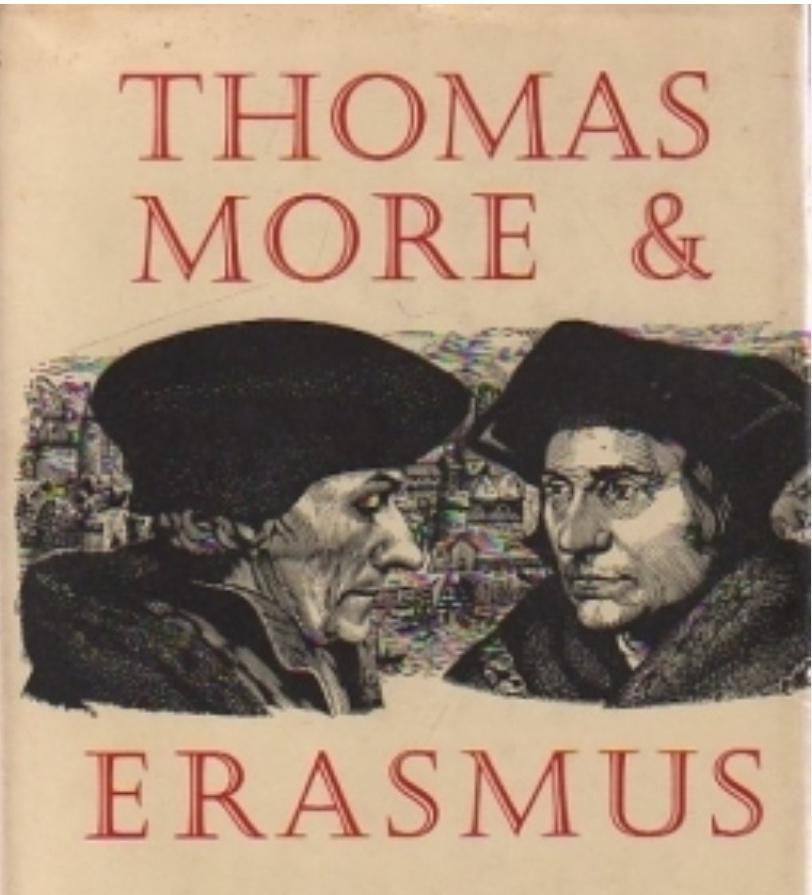
When Erasmus needed a home in England, he found one at More's table, and the friendship that grew there reshaped European thought more than either man's solitary study could have. Erasmus loved him enough to dedicate In Praise of Folly to him, its Latin title carrying a private pun on More's own name — a joke folded into one of the great books of the age, because that is what their friendship was built from. Some ideas are born in libraries. The best ones are born at dinner, among people who like each other enough to argue.
Admiration reached him from stranger quarters too. Sixty years after his execution, when More himself had become too dangerous a subject for the Elizabethan stage to touch directly, a group of playwrights tried anyway. The result was a manuscript called "The Book of Sir Thomas More" — censored, contested, nearly lost — and buried inside it are three pages that scholars have spent over a century attributing, on the evidence of the handwriting itself, to Shakespeare. Not a tribute written about More. A scene written as More, still sitting in the British Library in Shakespeare's own hand. The scene he chose was the Evil May Day riot of 1517, a London mob turning on immigrant workers, baying for them to be driven out. More, sent to calm the crowd, does not lecture them on law. He asks them to become the strangers for a moment — to picture themselves washed up on some foreign coast with their children on their backs, thrown on a stranger nation's mercy, treated exactly as they mean to treat the people in front of them now. It works. The mob that came to expel strangers ends up, of all things, in tears.
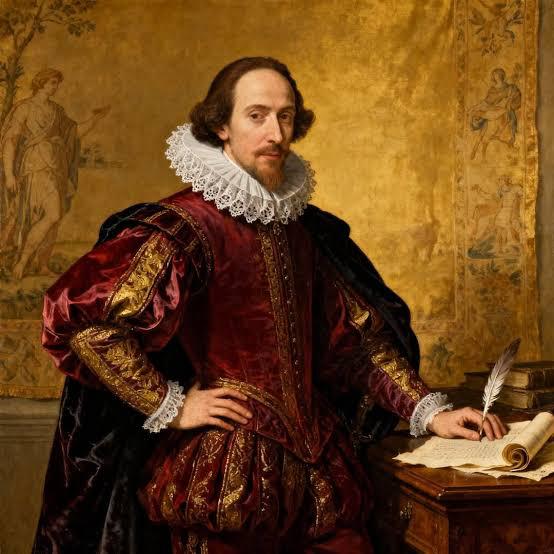
What Shakespeare recognised in More was not the martyr or the statesman. It was a man who could disarm a crowd with nothing but empathy aimed correctly — and he gave that gift the single scene of his that survives in his own hand, three centuries before anyone thought to call it a defence of refugees. Genius recognising genius does not always write an ode. Sometimes it simply picks up the pen and finishes the sentence.
Here is where the man stops being charming and starts being formidable. More was too skilled a lawyer to be cornered easily, so when the king demanded a public oath affirming what More believed false, More did not argue. He said nothing. English law had no clean instrument for punishing silence, and so his silence became the loudest thing in England — a refusal so complete it needed no words to be heard. He did not stay silent out of caution. He stayed silent because he had already decided that conscience is not an opinion a man is free to revise under pressure. It is the room in the soul where truth is allowed to govern, and no king — however absolute, however furious — holds a key to that room. He was not stubborn. He was occupied territory that would not surrender. That single conviction — that conscience answers to something no throne can reach — became one of the seeds of religious liberty itself. He paid for the seed with his neck and never once asked for a discount.
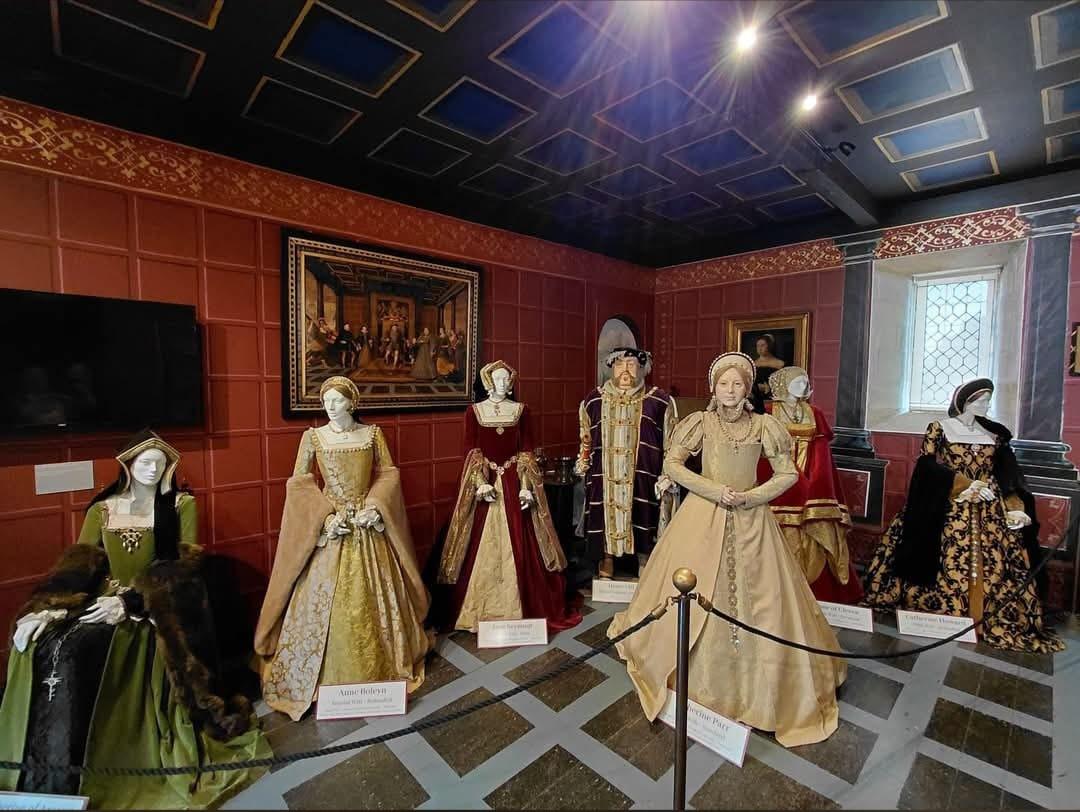
He had already reached the summit of what a layman could achieve in Tudor England — Lord Chancellor, the king's own hand — and he walked away from it before he could be forced to betray himself for the privilege of keeping it. People cling to power far smaller than his. He set his down voluntarily, which may be the more difficult feat than dying for a principle. Dying is a single act.Relinquishing power while you still hold it requires doing the hard thing every single day it would be easier not to.
His finest work was not printed. It was lived — in the ordinary architecture of meals, marriages, parenting, jokes, and work, all of it treated as moral material worth getting right. He wrote as though character were literature composed in flesh rather than ink, which meant every unremarkable Tuesday was also a manuscript.
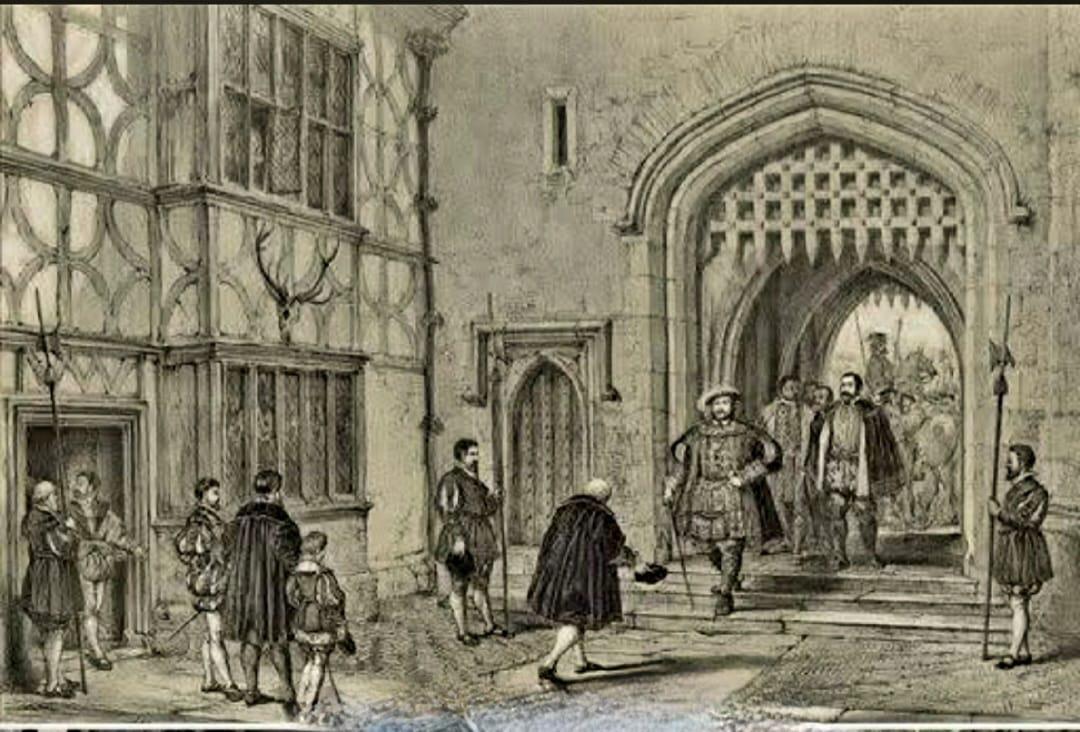
Our age worships authenticity, which is really only a question: am I being myself? More asked a harder one: is the self I am becoming worth being faithful to? The first question flatters whoever you already are. The second one holds you against something outside yourself and asks whether you have earned the right to stay unchanged. Because that, in the end, is what Chesterton meant by calling him A MAN FOR ALL SEASONS — not a man who could adapt to anything, but a man who remained exactly himself while every season around him turned violent, fickle, and unrecognizable. Scholar without vanity. Lawyer without cynicism. Politician who never once let power replace principle. Saint with a sense of humour. Martyr without a trace of hatred for the hand that condemned him.
I keep returning to a thought from my own devotional reading, where the sages describe the witnessing self — that which watches the seasons of joy and grief pass through it without ever itself being altered by them. More seems to have understood something adjacent to this, though he arrived at it through conscience rather than contemplation: that a self worth having is one that does not renegotiate its own foundations every time the weather changes.
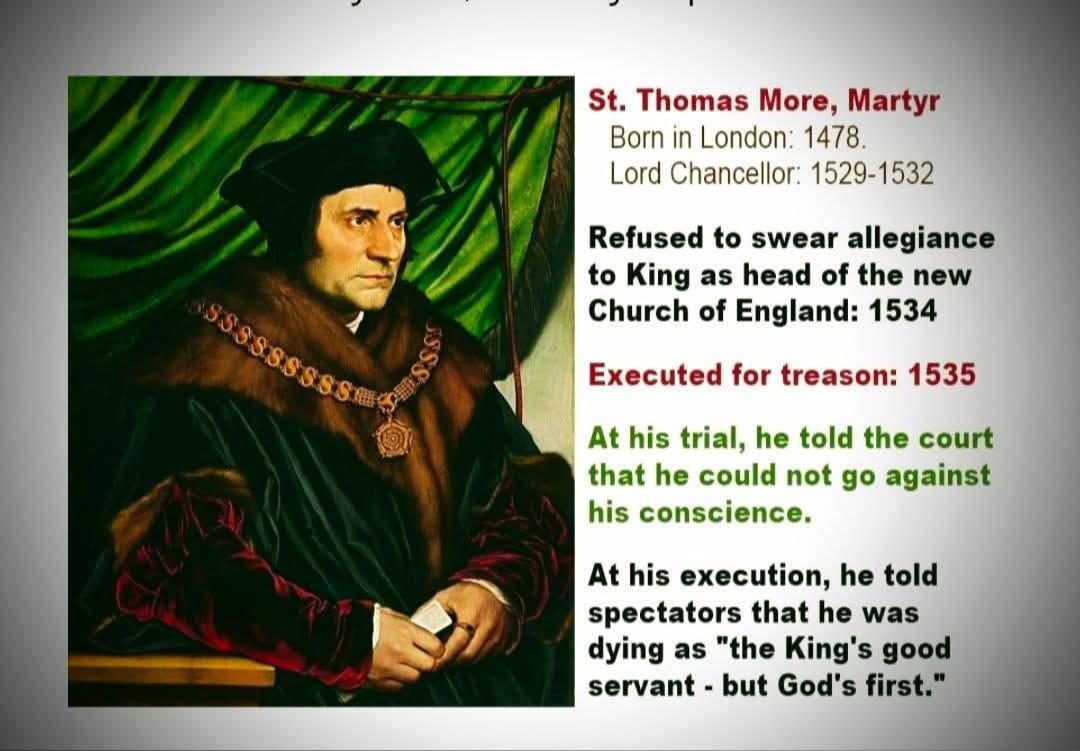
He did not die because he loved his own opinion. He died because he had decided, long before the axe was ever a possibility, exactly who he intended to remain — and no throne, however absolute, was going to edit that decision for him.That is the real inheritance. Not Utopia. The refusal to bow.
Note:(pics from internet for illustration only)
Comments (6)