The Man Who Wanted to Disappear!


(On Kafka's birthday, and the strange afterlife he never asked for)
Today, July 3rd, is Franz Kafka's birthday. He would have turned 143. He asked Max Brod to burn everything — every diary, every unfinished manuscript, every trace. Brod refused, and so today we are still here, still returning to a man who wanted, more than almost any writer in history, not to be read.
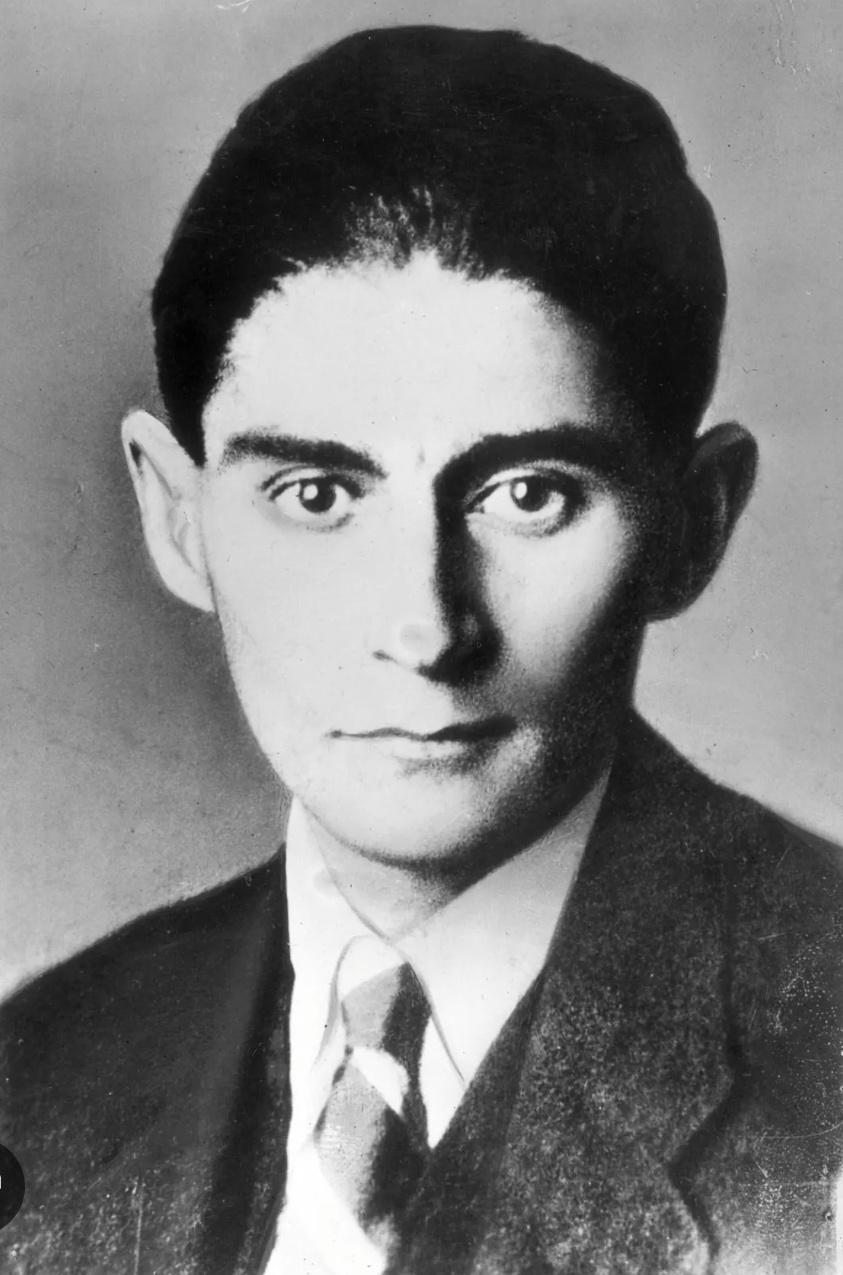
That refusal is the first Kafkaesque irony, and it is also where I want to begin, because I recently read something that changed how I think about what "being read" even means for a writer like Kafka. Maïa Hruska's Kafkaesque does something almost nobody attempts: it tells Kafka's story without really telling Kafka's story. There is no cradle-to-grave biography here. Instead, Hruska follows ten of his translators — Borges rendering him into Spanish while going blind, Primo Levi carrying him into Italian through the German he learned at Auschwitz, Milena Jesenská translating him into Czech before she was deported, Bruno Schulz publishing him in Polish before an SS officer shot him in the street. Each of them met Kafka at the exact moment their own world had become unlivable, and each of them found, in his sentences, a language already built for that unlivability.

This is the insight I can't stop turning over: Kafka didn't diagnose the twentieth century from the outside. He wrote a private, almost pathologically interior fiction in Prague German, and history simply arrived to confirm it, language by language, catastrophe by catastrophe. The word "Kafkaesque" wasn't coined by a critic admiring a style. It was coined by people living inside something and realising, with a kind of horror, that he had already described it. Hruska's phrase for the space Kafka needed to write — the pokoj, a room of his own that has nothing to do with comfort and everything to do with refusal — is the closest thing I've read to explaining why a man this guarded became this necessary. He wasn't writing to be understood. He was writing so as not to be reduced. Everyone who later found him in translation, often in the middle of the worst years of their lives, recognised that refusal as a form of survival.
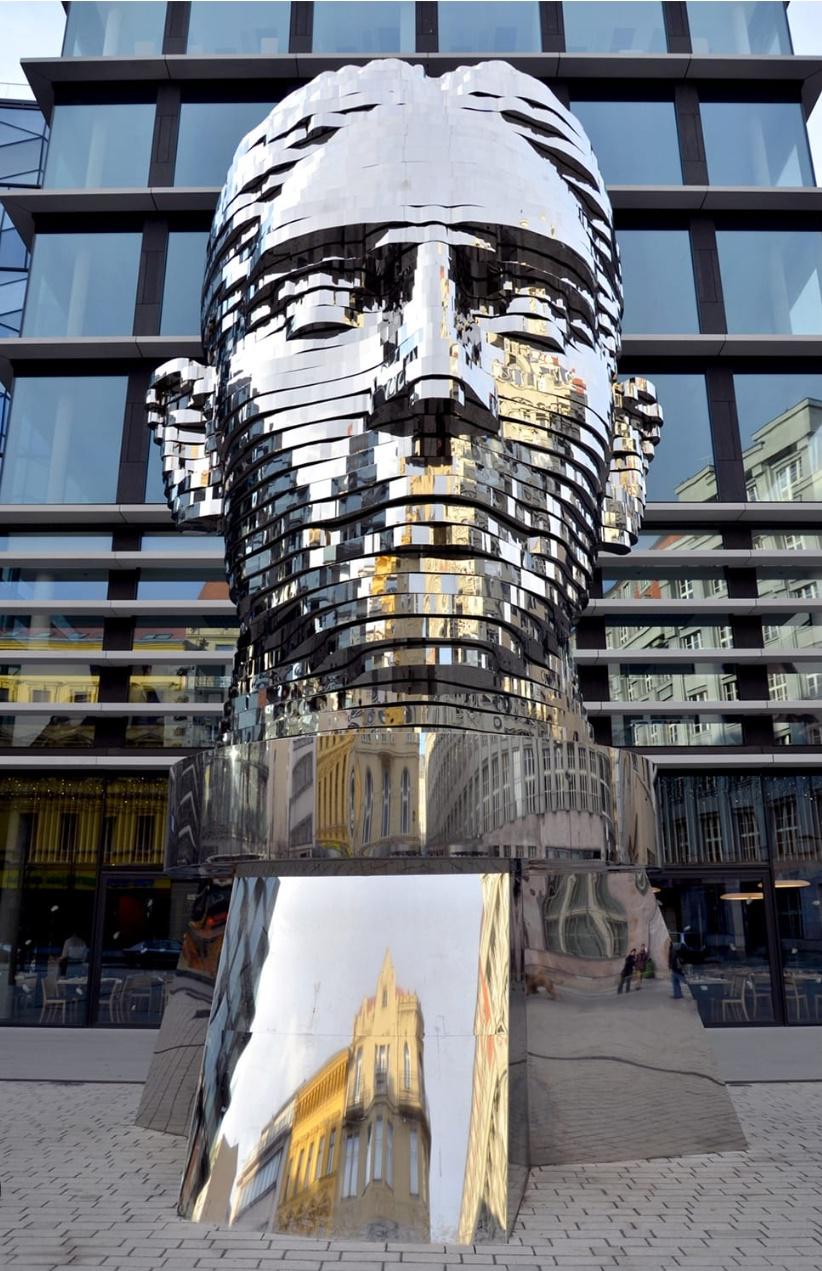
That's what I think we undersell when we talk about Kafka. We reach for "alienation," "bureaucracy," "the absurd" — accurate, and also a little worn smooth from overuse. What actually unsettles in The Trial, in The Castle, in "In the Penal Colony," is that the horror is never presented as an aberration. It's presented as procedure. Nobody in Kafka is cruel for the sake of cruelty; they are simply following the correct process, filling in the correct form, awaiting the correct authorisation. That is precisely what made his fiction so unbearably prophetic to readers translating him from inside occupied Prague, inside Soviet censorship, inside the camps. He had already written the aesthetic of a horror that arrives wearing the face of order. Few writers have been so thoroughly proven right by history, and so unwillingly.
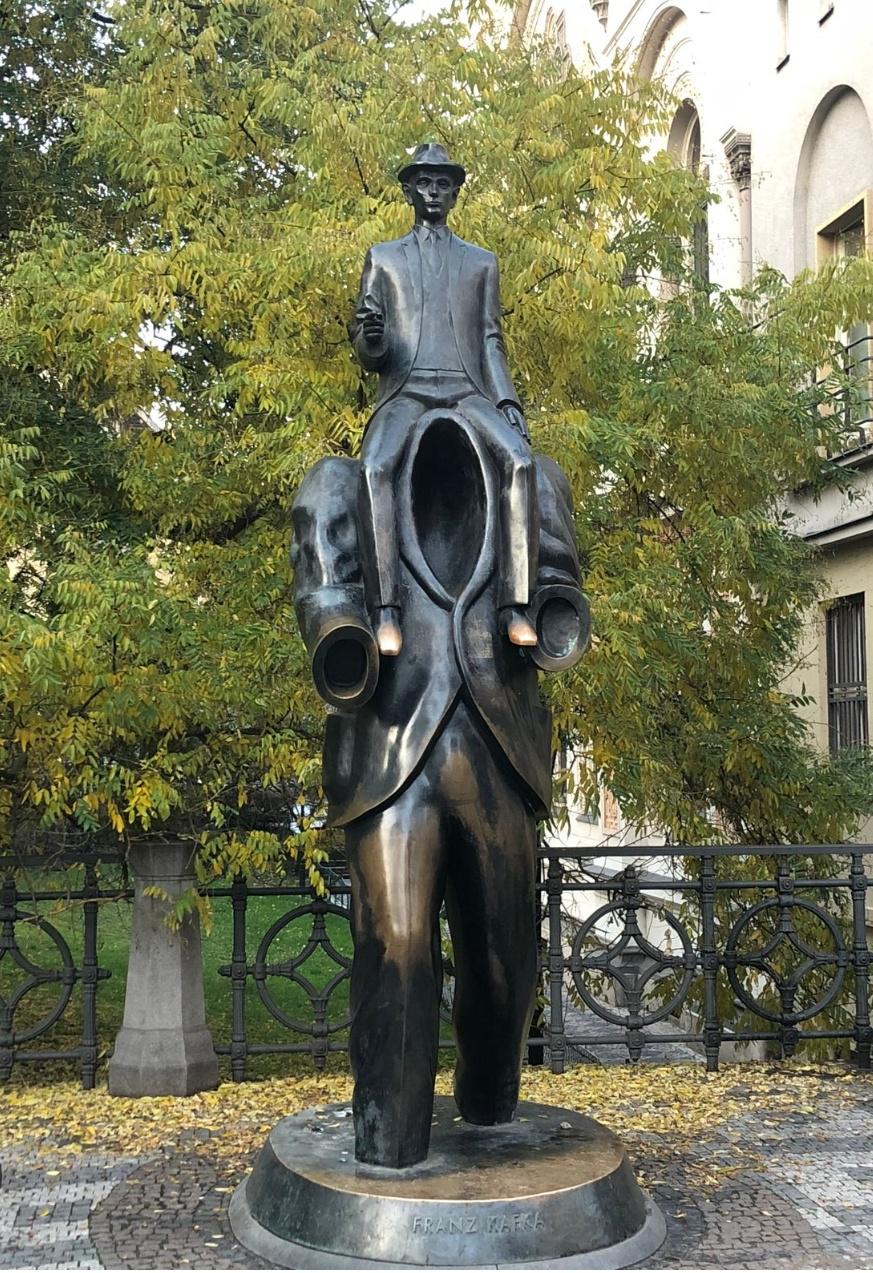
There is a smaller, quieter Kafka too, one I love just as much — the diarist who wrote "everything that is not literature bores me," the man capable of laughing helplessly while reading The Trial aloud to friends, the correspondent of the Letters to Milena, tender and self-lacerating in the same paragraph. That Kafka, the private one, is the one all ten of Hruska's translators were really chasing across every language they poured him into.Of course, he has his detractors — those who find him airless, repetitive, a taste that curdles into cliché once every unpleasant bureaucratic mishap gets called "Kafkaesque." It's a fair charge against the word, if not the writer. But to each his own; some readers want resolution, and Kafka never once promised it.
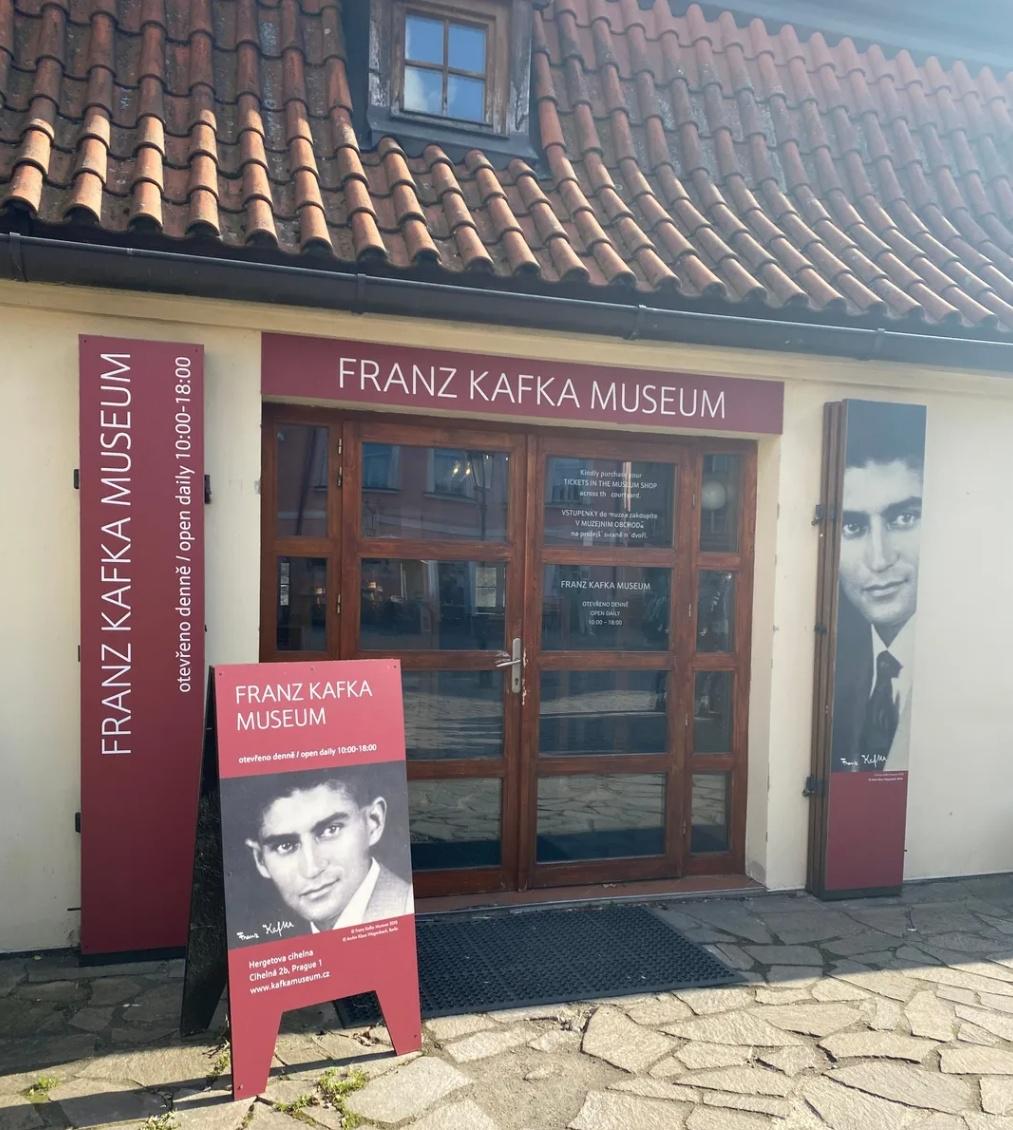
He wanted to vanish without a trace. Instead, he became the one writer that an entire century of translators, exiles, and prisoners reached for when their own language failed them — proof, perhaps, that the more precisely a man writes his own private unease, the more he ends up writing everyone else's.
Note:(pics from internet for illustration only)

-SunheriSufi
Comments (6)