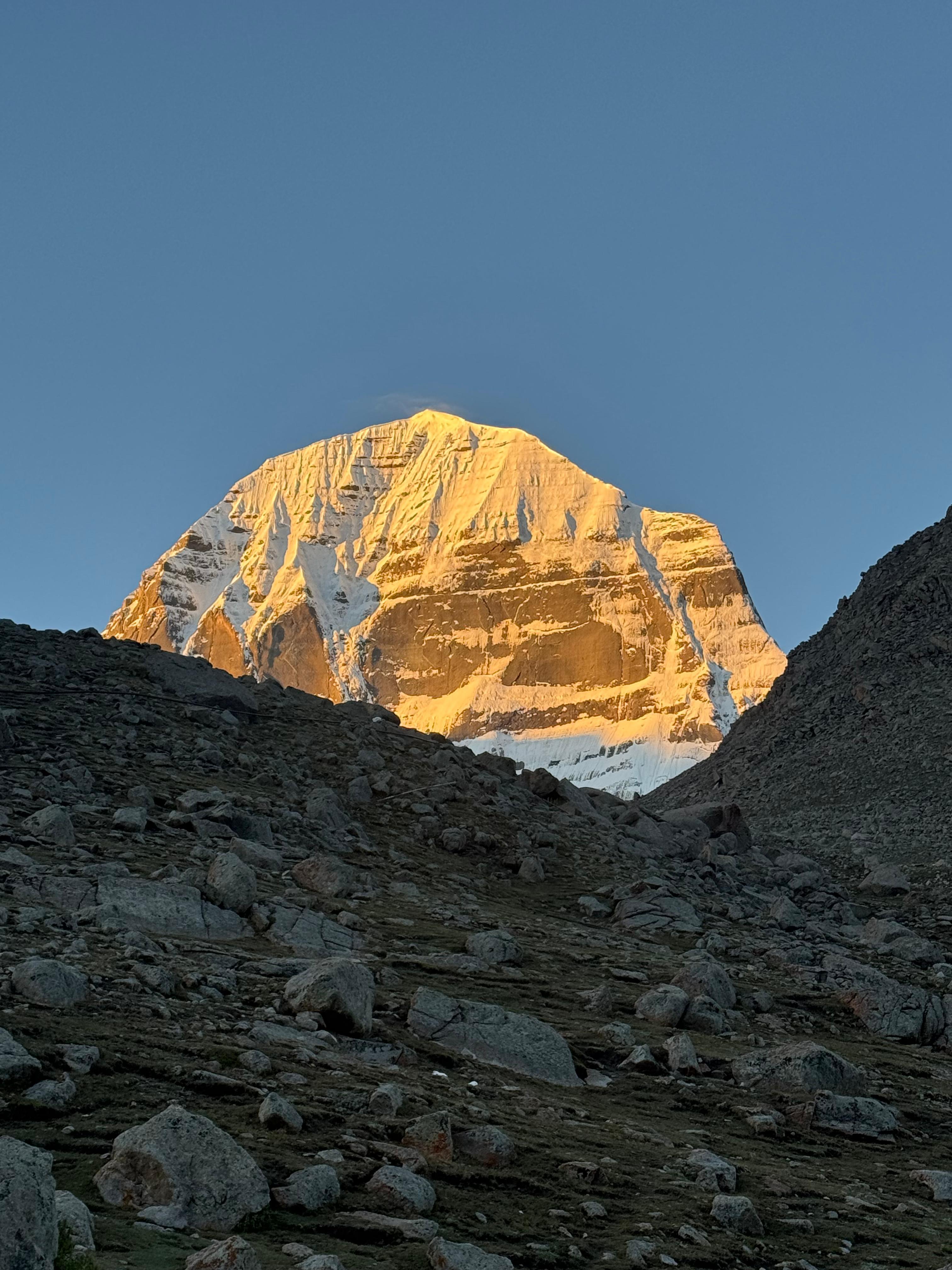
The Mountain We Go to Worship!


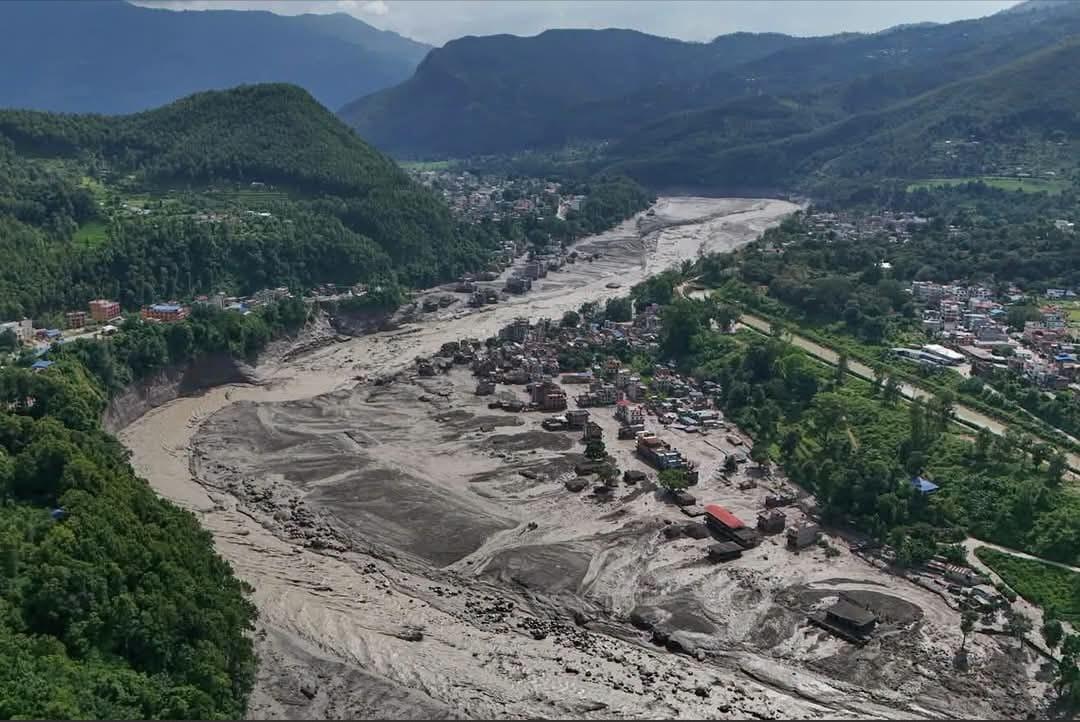
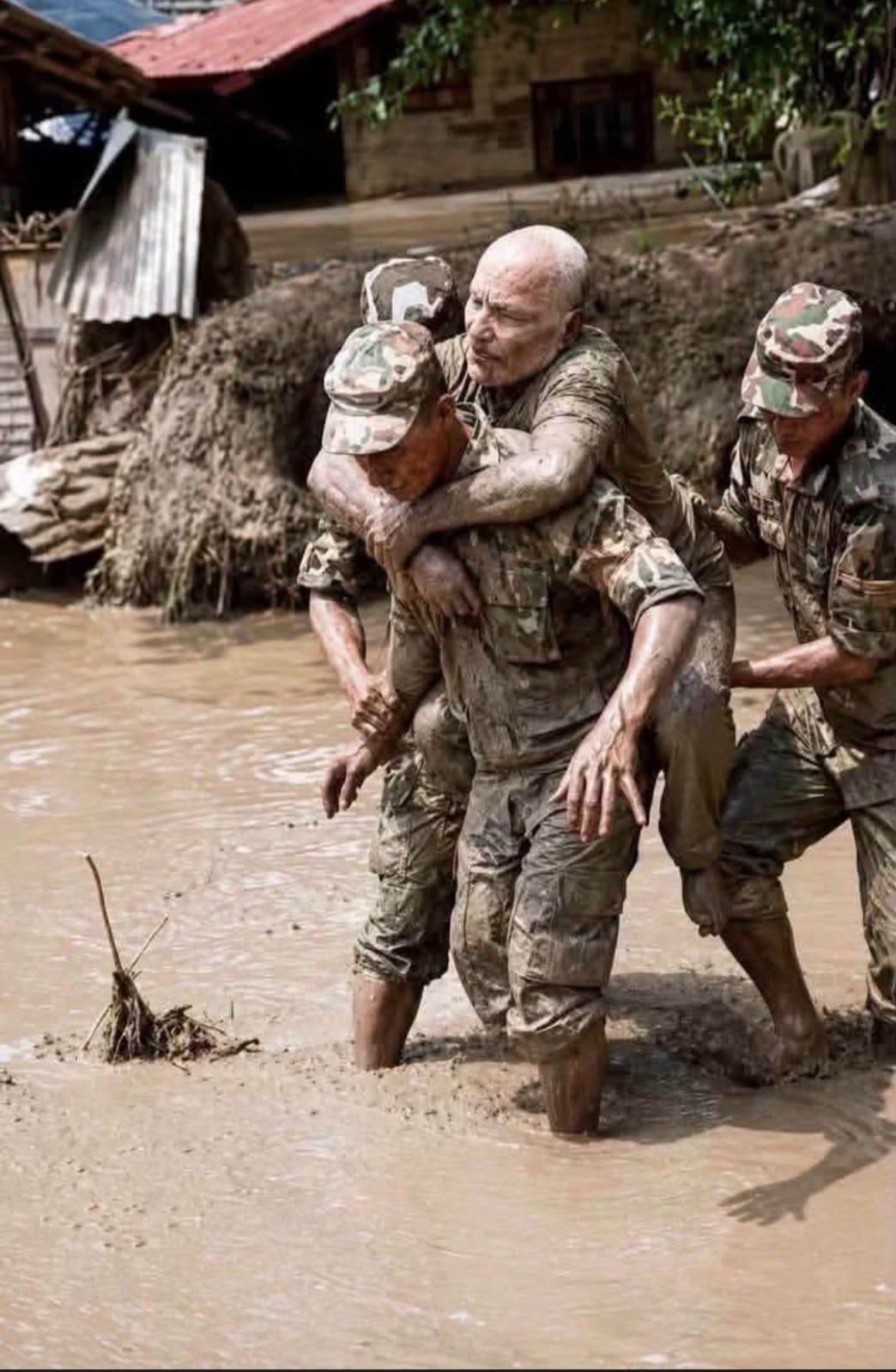
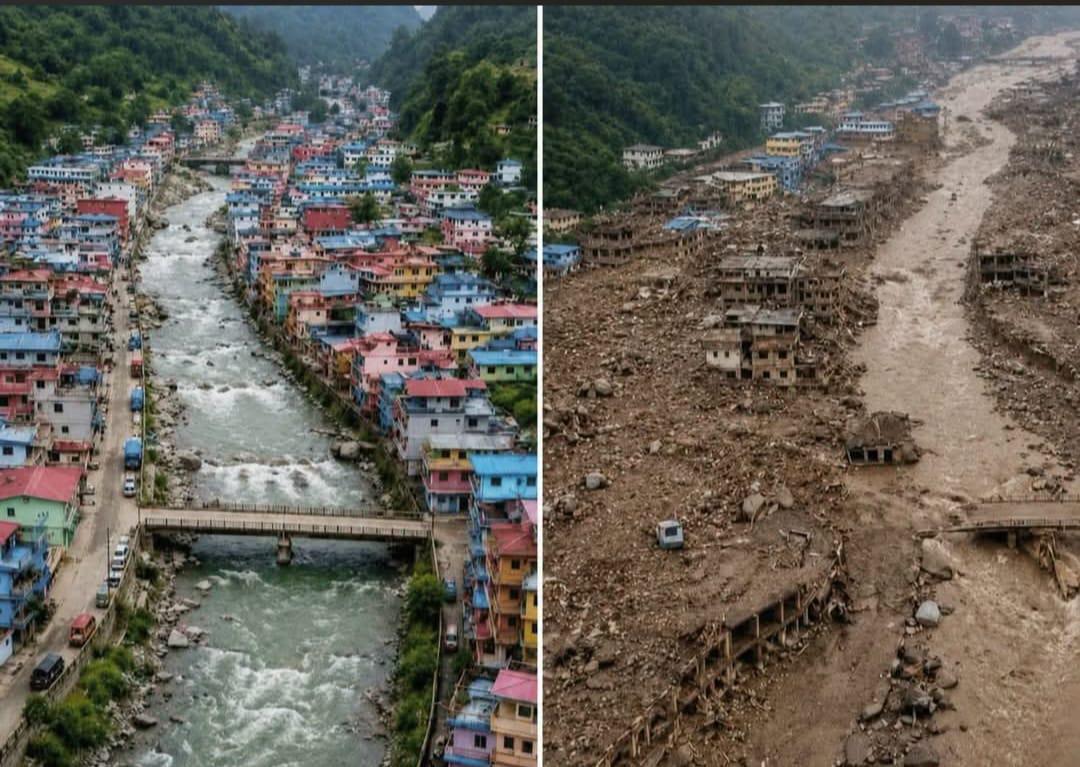
Rasuwa has been torn apart.The route pilgrims take toward Kailash Mansarovar was hit by a flash flood. Roads gone. Bridges gone. Settlements buried under mud.
The mountains, which usually seem to stand outside human time, reminded us that they are also violently, unpredictably alive.
So the question arrives, unbidden: did the recent surge of pilgrims contribute, even indirectly, to this? Especially when we had already been warned.
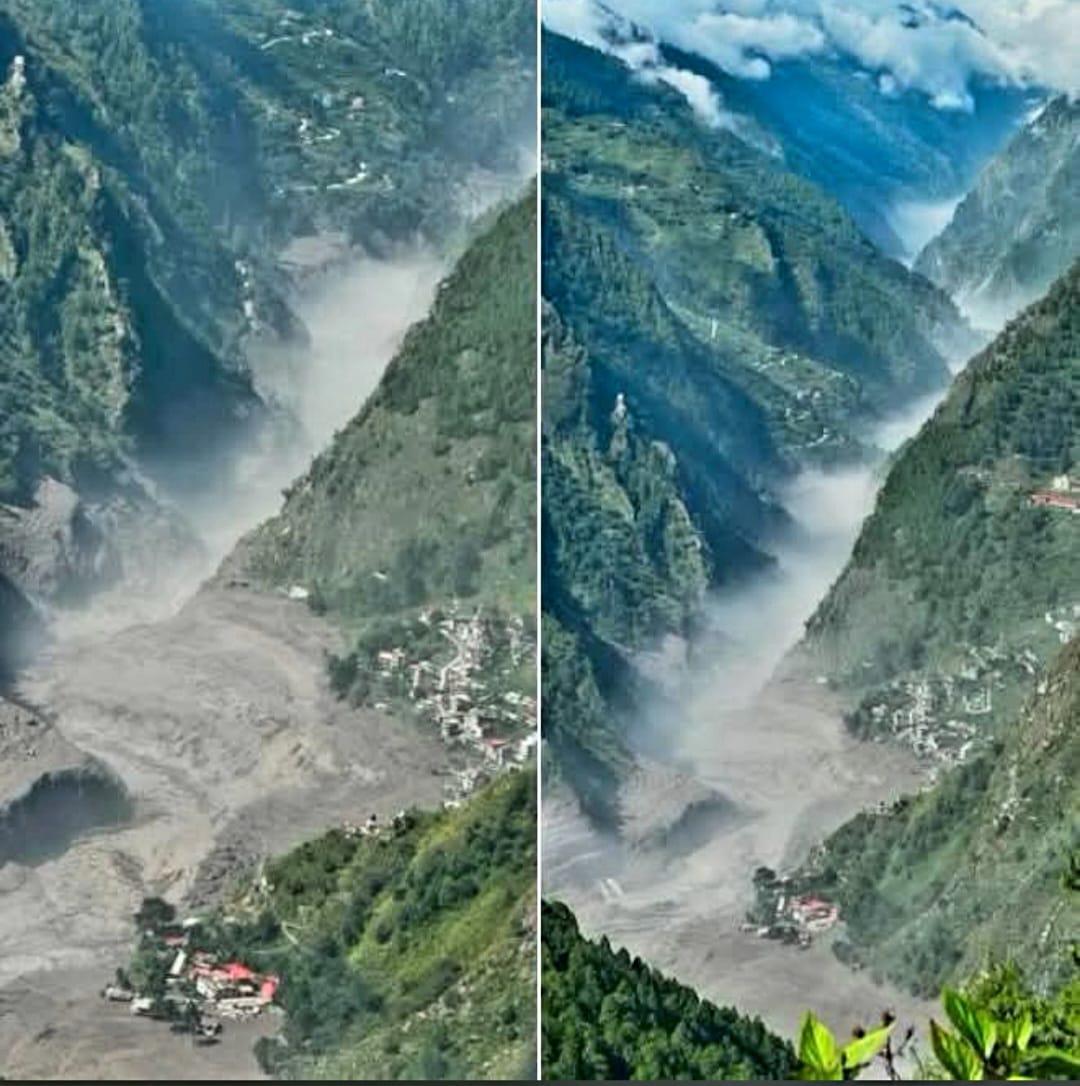
The last two monsoons have been trying to tell us something. Kishtwar. Pahalgam. Rajouri. Cloudbursts tearing through Jammu and Kashmir, shops gone, vehicles swept off roads, even the Amarnath Yatra interrupted mid-stride. And Uttarakhand — Dharali, Uttarkashi — where a wall of mud and debris came down the Kheer Ganga with almost no warning, burying a village that had grown fat on tourist traffic. These were not freak, one-off events. They were rehearsals.
Tourism itself has become part of the terrain now. Some hundred-odd million visits to Uttarakhand alone across a few recent years — pilgrims pouring toward Kedarnath and Haridwar, holidaymakers toward Nainital and Mussoorie — until the mountains are carrying a kind of human weight they were never built to hold. Water runs short. Waste piles up. The land has nowhere left to exhale.
Flash floods will always belong to this part of the world — the subcontinent's monsoon has always been capable of violence. What is changing is the map of where that violence lands, and what — and whom — it finds waiting there. A slope that was safe last decade is not guaranteed to be safe this one. The places we've built our comfort around may be exactly the places the next flashpoint chooses.
To see that pattern now, while there is still time to act on it, is not pessimism. It is how lives get saved, how livelihoods survive, how a warming and wetter world is met with resilience instead of grief after the fact. None of this makes a pilgrim guilty of a landslide. But damage doesn't always travel through such simple chains. A fragile ecosystem absorbs disturbance up to a point. Past that point, resilience thins — and we are the ones deciding, again and again, where that point sits.
We didn't cause the hazard. We may be multiplying who stands in its way — while wearing the landscape down further in the process. And there is a paradox worth sitting with.Kailash is not a destination.
For Hindus, the abode of Shiva. For Buddhists, sacred in another cosmology. Revered too in Jainism and the Bon tradition. Pilgrims once didn't approach it as tourists approach a view — they circumambulated it, endured it, walked for days because the difficulty was the point.
The mountain is sacred because it stands outside us. Or so we like to believe.Yet modern pilgrimage keeps trying to make the sacred convenient. Roads instead of the long walk. Vehicles instead of hardship. Helicopters instead of passes. Accessibility breeds numbers. And somewhere in that shift, pilgrimage starts to resemble tourism — not because any one pilgrim's devotion is smaller, but because the infrastructure needed to carry thousands of private devotions begins reshaping the land collectively.
That's the uncomfortable part. Climate change destabilizes the Himalaya. Mass pilgrimage adds weight to that instability. The two feed each other. This disaster shouldn't become an argument against pilgrimage, or a case against the pilgrims who happened to be there. It should become an argument for restraint. Should every sacred place be made accessible to everyone, always, by any means available? Should carrying capacity apply to faith the way it applies to trails? Should the number of pilgrims be set by what the mountain can bear, not by what a tour operator can sell?
Roads should stop where the land demands we walk. Helicopters should stay an emergency measure, not the new default. Every pilgrim should carry out what they carry in. Perhaps the greatest feat of engineering in the Himalaya is knowing where not to build.
There's an irony I can't shake. We go to Kailash because we believe it eternal — untouched by our restless civilisation. And we arrive carrying that civilisation with us: plastic bottles, diesel engines, concrete, convenience. We reach the feet of the eternal mountain and ask it to accommodate us.But pilgrimage was supposed to teach the opposite.That we accommodate the mountain.
Rasuwa may have little to do with the pilgrims caught in it. But it can still be a warning — not to stay away from Kailash, but about how we go. If the journey to a sacred mountain leaves it less sacred, less wild, less whole than we found it, we have confused pilgrimage with possession. The first act of reverence is knowing when to stop.
Note:(pics from internet for illustration only)
Comments (11)