The Ones Who Never Fully Come Back!


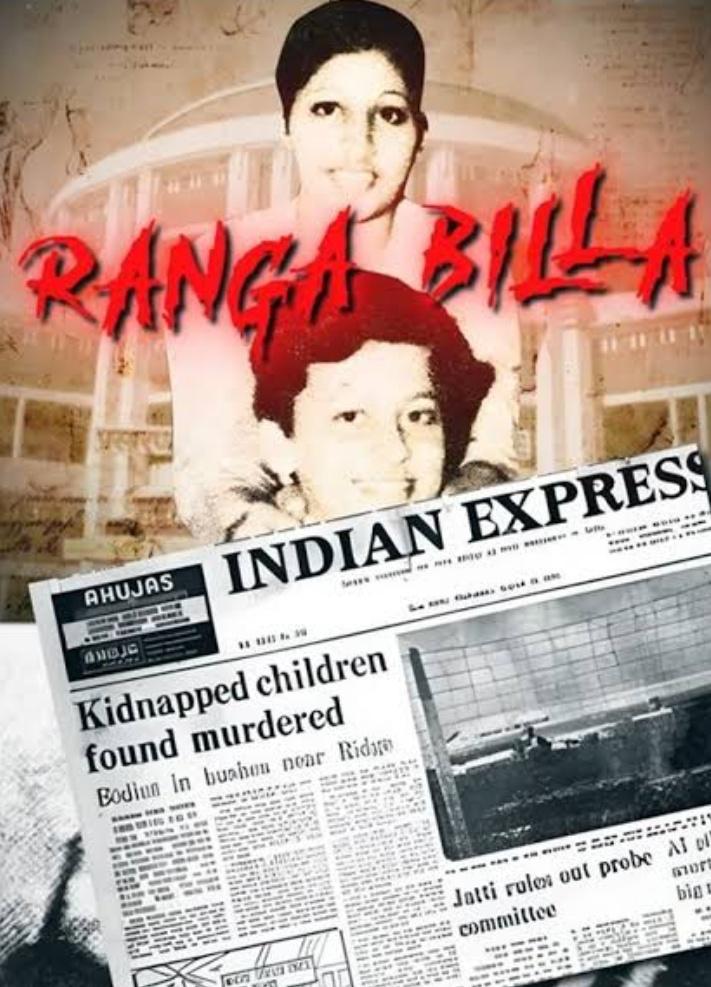
On Raakh, Method Acting, and The Scars That Don't Show. Raakh is streaming on Prime Video right now. It is based on the 1978 Ranga-Billa case — the kidnapping and murder of siblings Geeta Chopra (16) and Sanjay Chopra (14), who left home one August afternoon to participate in an All India Radio programme and never came back. Their father identified the bodies himself — by the printed kurta, the black trousers, the silver ring on Geeta's finger.
I kept thinking: are these parents still alive? Captain Chopra would be in his late nineties now, if at all. What does a human being do with that image — a father recognising his children through decomposition — for the rest of a life? Where do you put it? There is no answer to that question. Raakh knows this and doesn't try.
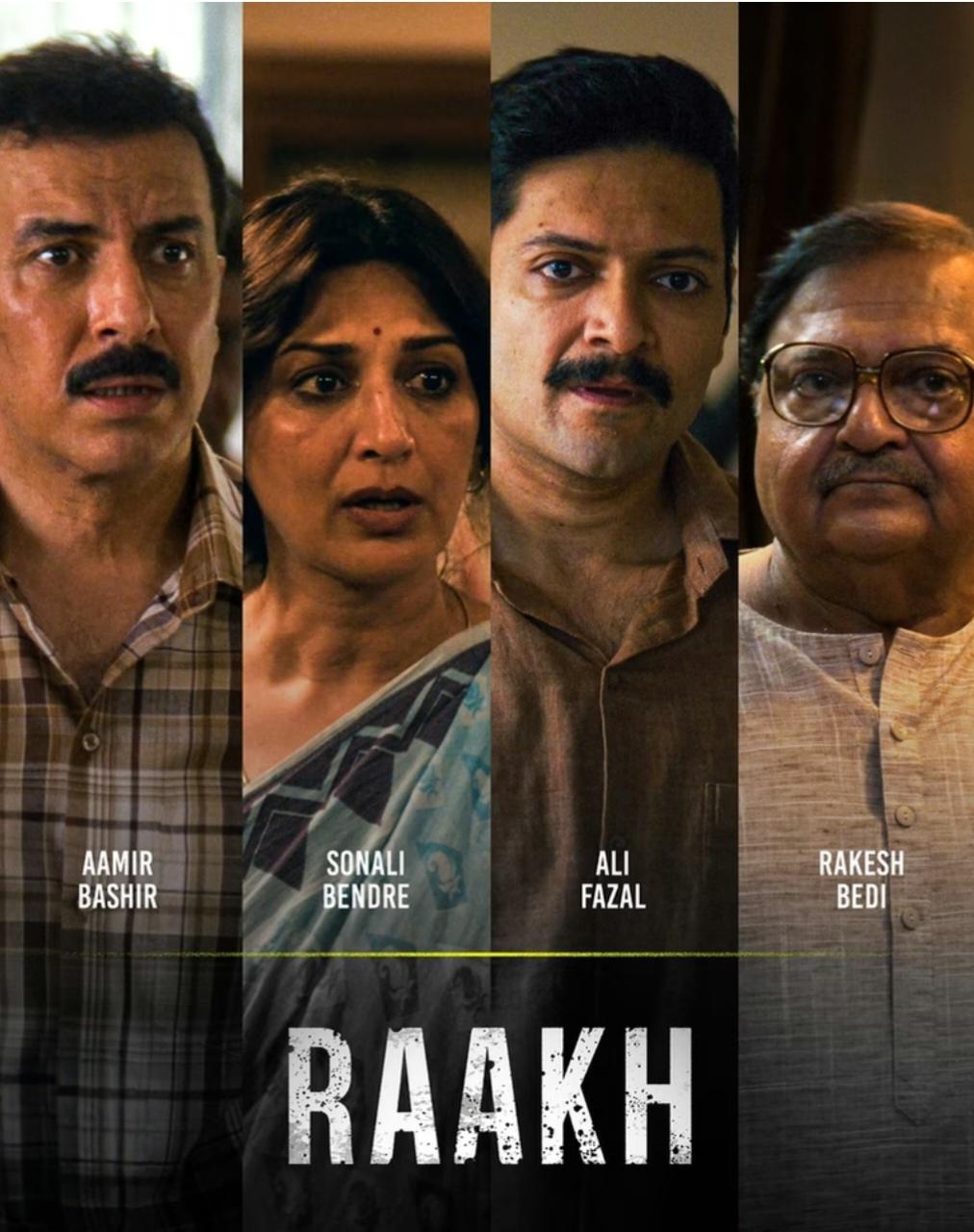
The cast — Ali Fazal, Sonali Bendre, Aamir Bashir, Akash Makhija, Ramandeep Yadav — have gotten so entirely into the skin of their characters that the work is truly award-worthy. Sonali Bendre has spoken of being taken into emotional spaces she had never accessed before as an actor. The series is devastating. Precise. Unsparing. But what I cannot stop thinking about is this: the audience closes the app and makes chai. The actors go home to whatever is left of themselves.
Marvin Gaye once asked a question that has never stopped being relevant. Watching the Watts riots burn in 1965, he said to himself: "With the world exploding around me, how am I supposed to keep singing love songs?" He couldn't. So he made What's Going On instead — channelling his brother Frankie, who had come back broken from three years in Vietnam, and his cousin who hadn't come back at all. He turned private grief and public horror into something that could be held, passed around, shared. Art as the only container large enough for what cannot otherwise be said.
This is what certain artists — musicians, actors, writers — agree to do. They go in. They carry it. They bring something back. The rest of us receive it from a safe distance, in the dark, grateful and untouched. The artists are neither. The audience watches and is disturbed. We process it, talk about it, move on to the next series. The actors cannot.They spent weeks — months — living inside this darkness. Inhabiting the psychology of perpetrators. Embodying the collapse of parents. Channelling the helplessness of investigators who arrived too late. This is not performance. It is controlled self-haunting. And the evidence of what it costs is everywhere, if you look.
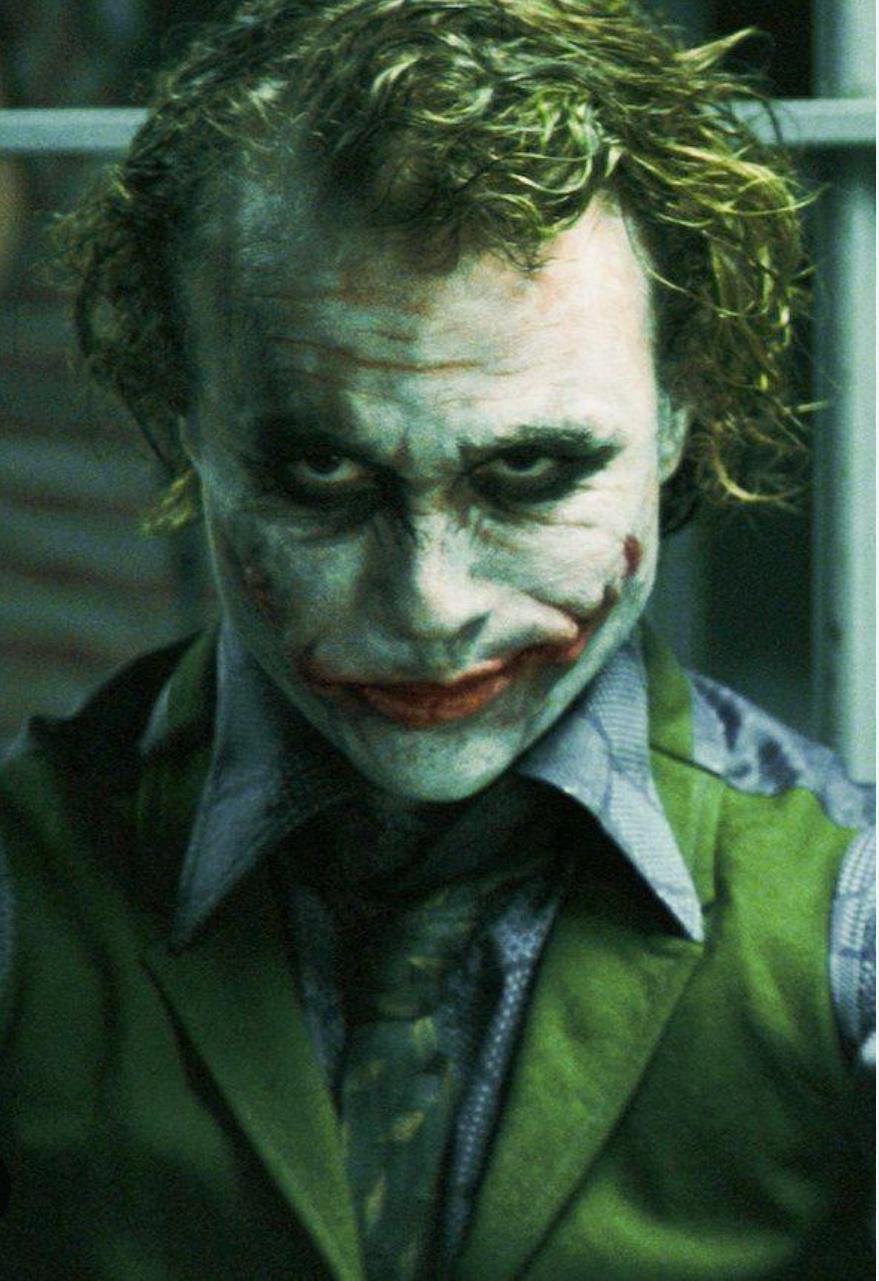
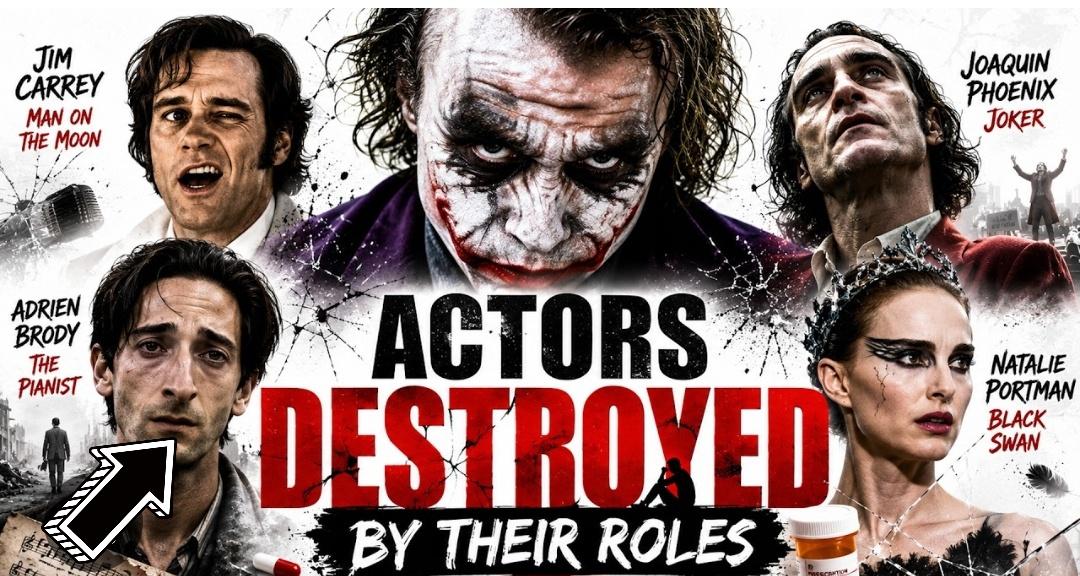
Heath Ledger locked himself in a hotel room for a month before The Dark Knight, keeping a diary — playing cards, clippings, handwritten dialogue — going deeper and deeper into the psychology of a man with no conscience. "I ended up landing more in the realm of a psychopath," he said. "Someone with very little to no conscience towards his acts. Just an absolute sociopath, a cold-blooded, mass-murdering clown." He said it almost lightly. As if it hadn't cost him anything. He died before the film released.
Adrien Brody sold his car, gave up his apartment, disconnected his phone, and starved himself to play a Holocaust survivor in The Pianist. He won the Oscar at 29. Then spent months on friends' couches trying to find his way back. "It wasn't just a depression; it was a mourning," he said. He chose that word deliberately. He had briefly, terribly, inhabited the grief of a people — and the dead do not release you on cue.

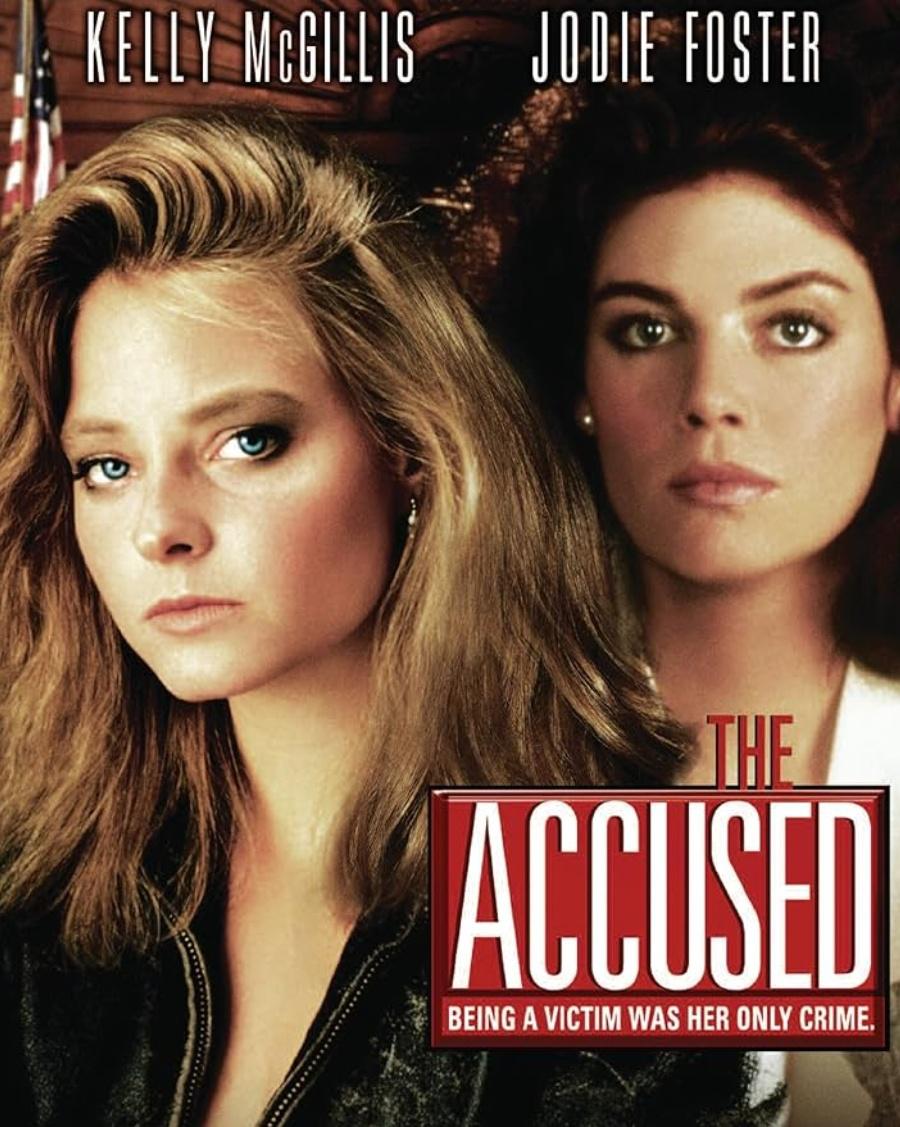
Jodie Foster in The Accused, playing a gang rape survivor. One of the actors playing a perpetrator bolted from set and was found in his trailer, physically sick. Foster spent her time on set worrying about them — "Are they gonna be OK?" — as though she had absorbed her character's wound so completely, she had no room left to register her own.That is the deepest kind of inhabitation. When you are so far inside someone else's pain that you lose track of yours.
What connects all of them — and the Raakh cast — is this: the audience's trauma is always secondhand. The actor's is not. They don't watch the darkness. They become it. And they have to find their way back from a place the audience never had to enter. That is the thing about great acting that nobody says clearly enough. It is not performance. It is a controlled experiment in self dissolution. The bravest actors are the ones who agree to be unmade — and then quietly have to put themselves back together. Mostly alone.
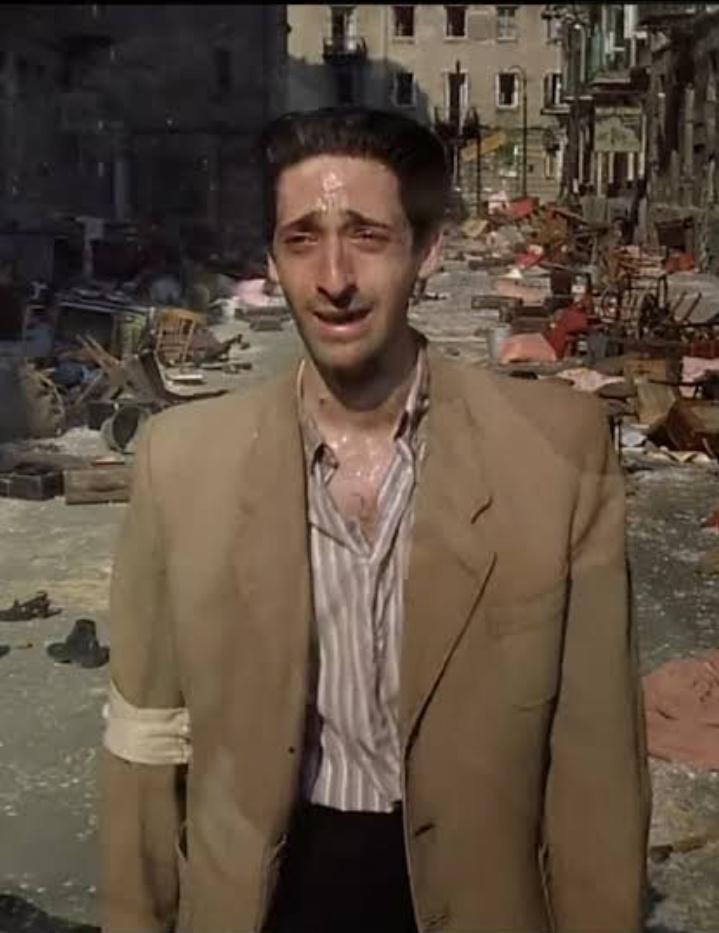
What moves me, thinking about all of them, is that they knew. Nobody forced Adrien Brody to sell his car. Nobody forced Heath Ledger into that hotel room. They chose the descent — deliberately, with full awareness of the price — because they understood that the only way to make an audience feel a truth is to have lived inside it first. That is not bravery as spectacle. It is bravery as quiet, private agreement. Made in advance. Honoured in the dark.
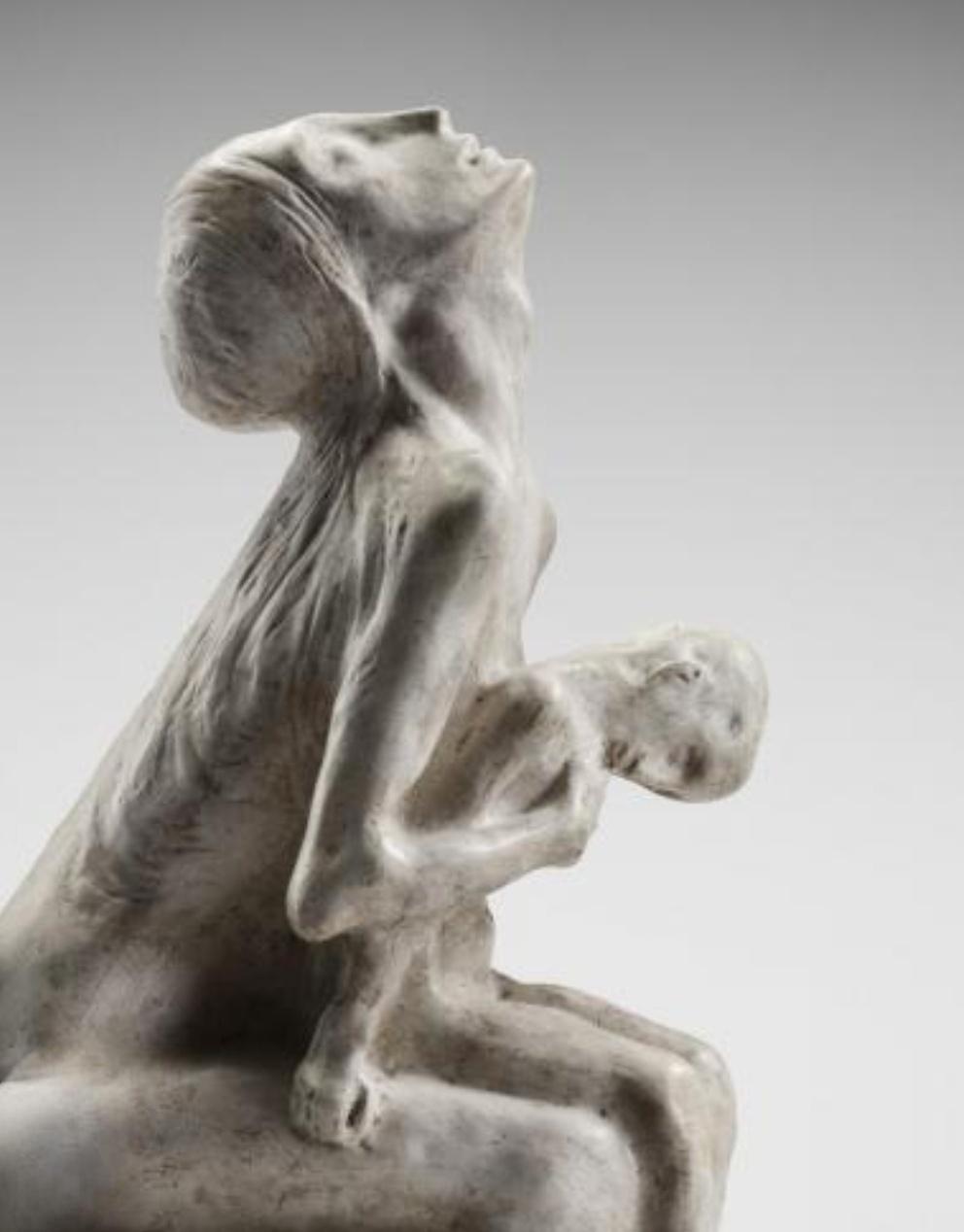
Marvin Gaye couldn't keep singing love songs while the world burned. So he sang its grief instead — and it cost him. Everything about his life cost him, eventually. But What's Going On remains. Brother, brother, brother. There's far too many of you dying. Some artists make beauty out of horror so the rest of us don't have to look away from it alone.
The Raakh cast did that. The parents of Geeta and Sanjay Chopra lived it — the real thing, with no camera, no cut, no end to the scene. The actors go home carrying something. The parents never got to put it down. We owe all of them more than we know how to say.
Note:(pics from internet for illustration only)

-SunheriSufi
Comments (14)