The Outlaw King!


The story of Robert the Bruce is one of both misery and triumph. He will always be remembered as the great King of Scots who won back Scotland's independence - if only for a short while - but he was also a devious tactician and a ruthless, king in his own right.
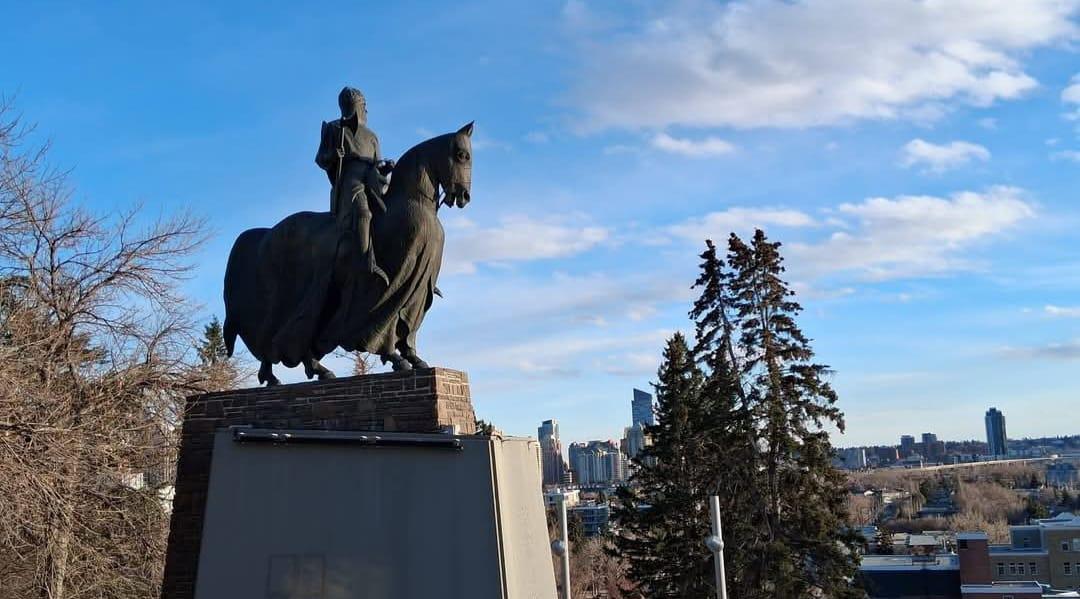
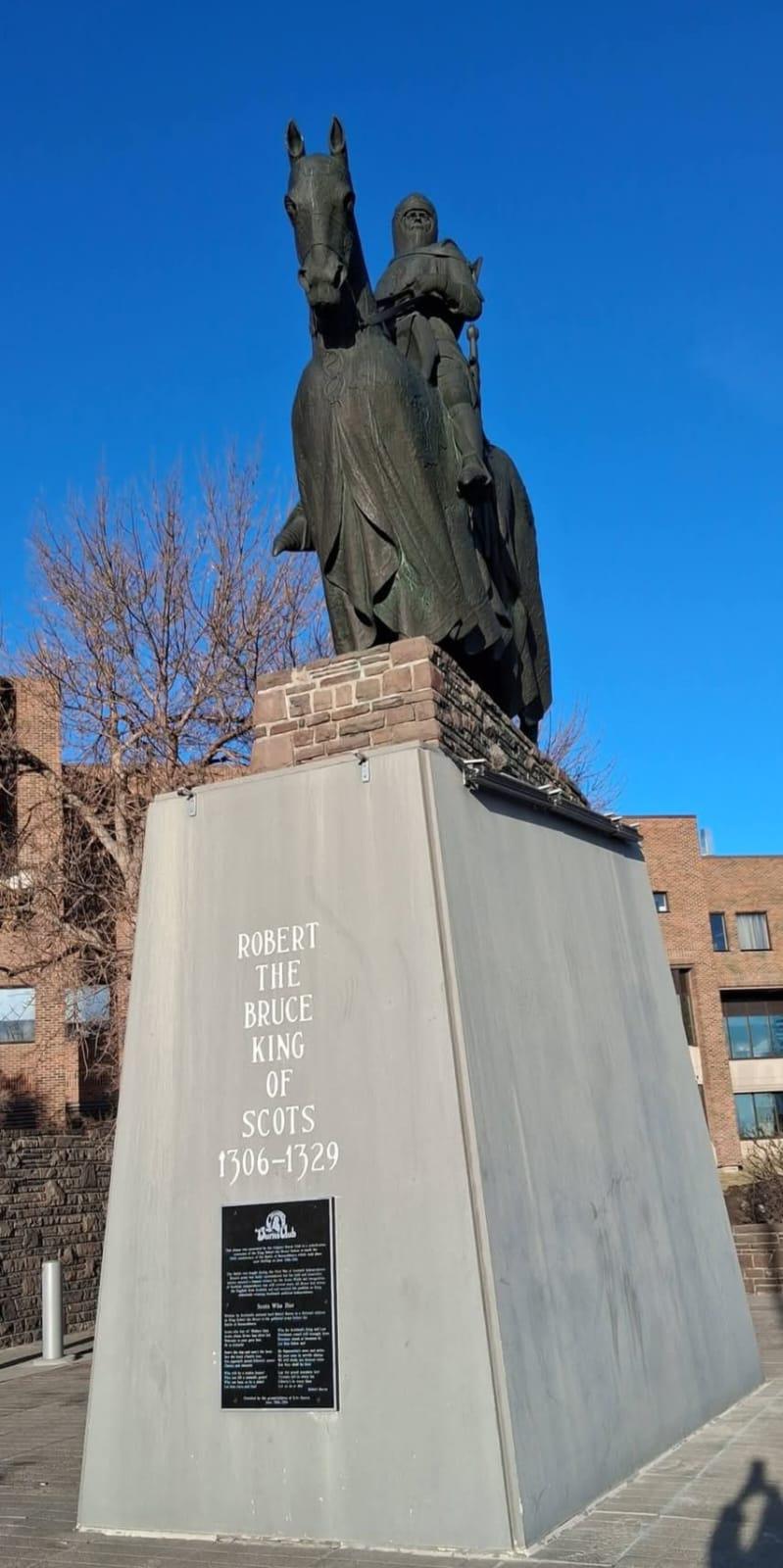
Robert the Bruce was crowned King of Scots on 25 March 1306 at Scone Abbey, a pivotal event in the Scottish Wars of Independence. Bruce seized the throne to lead the rebellion against Edward I of England, despite initially facing significant military defeats and becoming an "outlaw king".
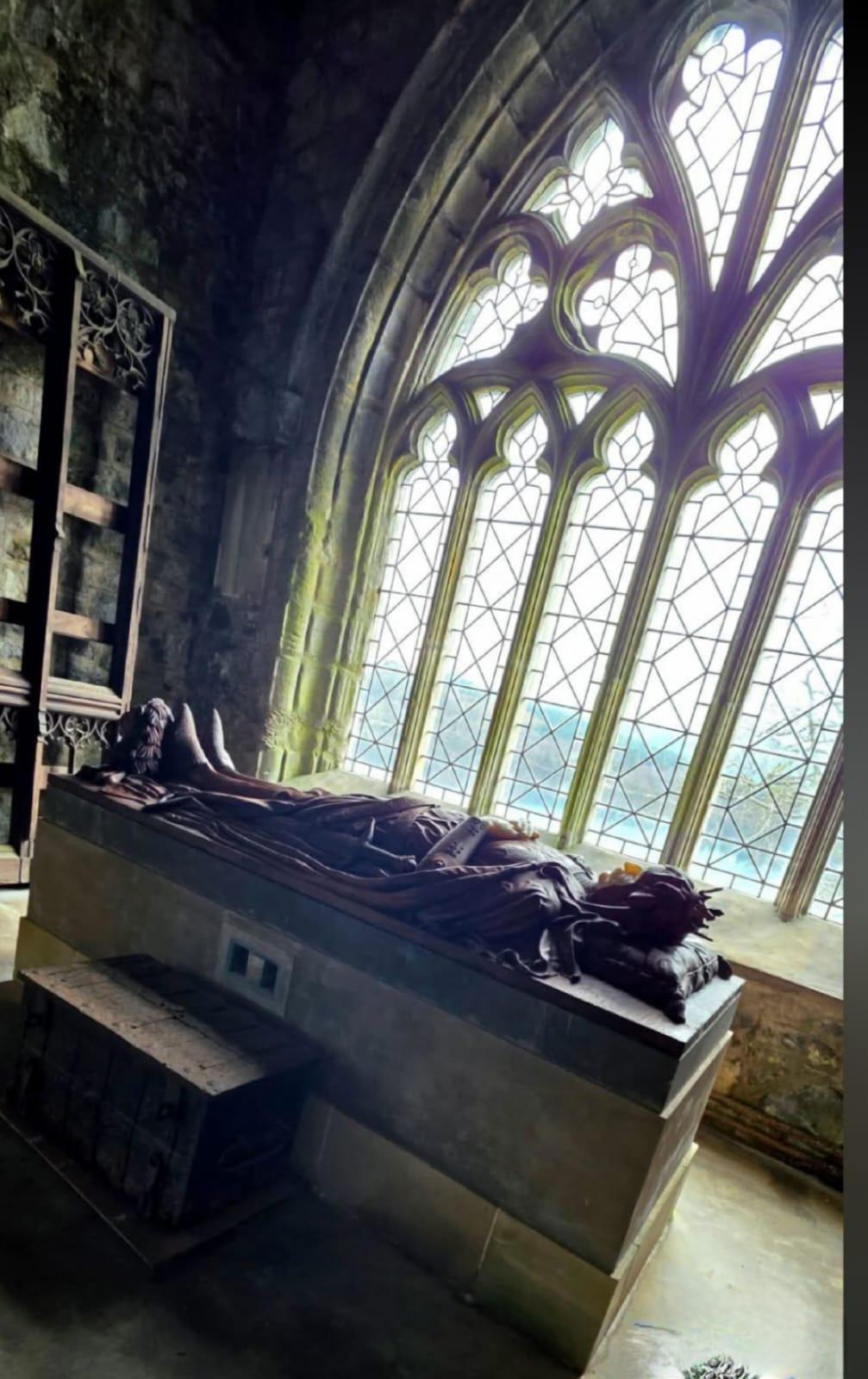
He was a highly controversial figure in Scottish history, balancing his legacy as a national hero and "Outlaw King" with a ruthless rise to power marked by shifting loyalties, civil war, and the murder of a rival at an altar. While celebrated for winning Scottish independence at Bannockburn, his early career involved maneuvering between Scottish and English interests.
In 1306, Bruce killed his rival for the throne, John Comyn, in the Chapel of Greyfriars Monastery in Dumfries. The act was seen as sacrilegious and was not a random fight, but a calculated move to eliminate a competitor. For this murder, Robert was outlawed by Edward I and excommunicated by Pope Clement V. His reign did not begin well. He was defeated by the English at Methven in Perthshire; his wife, daughter and sisters were imprisoned; and three of his brothers were executed by the English.
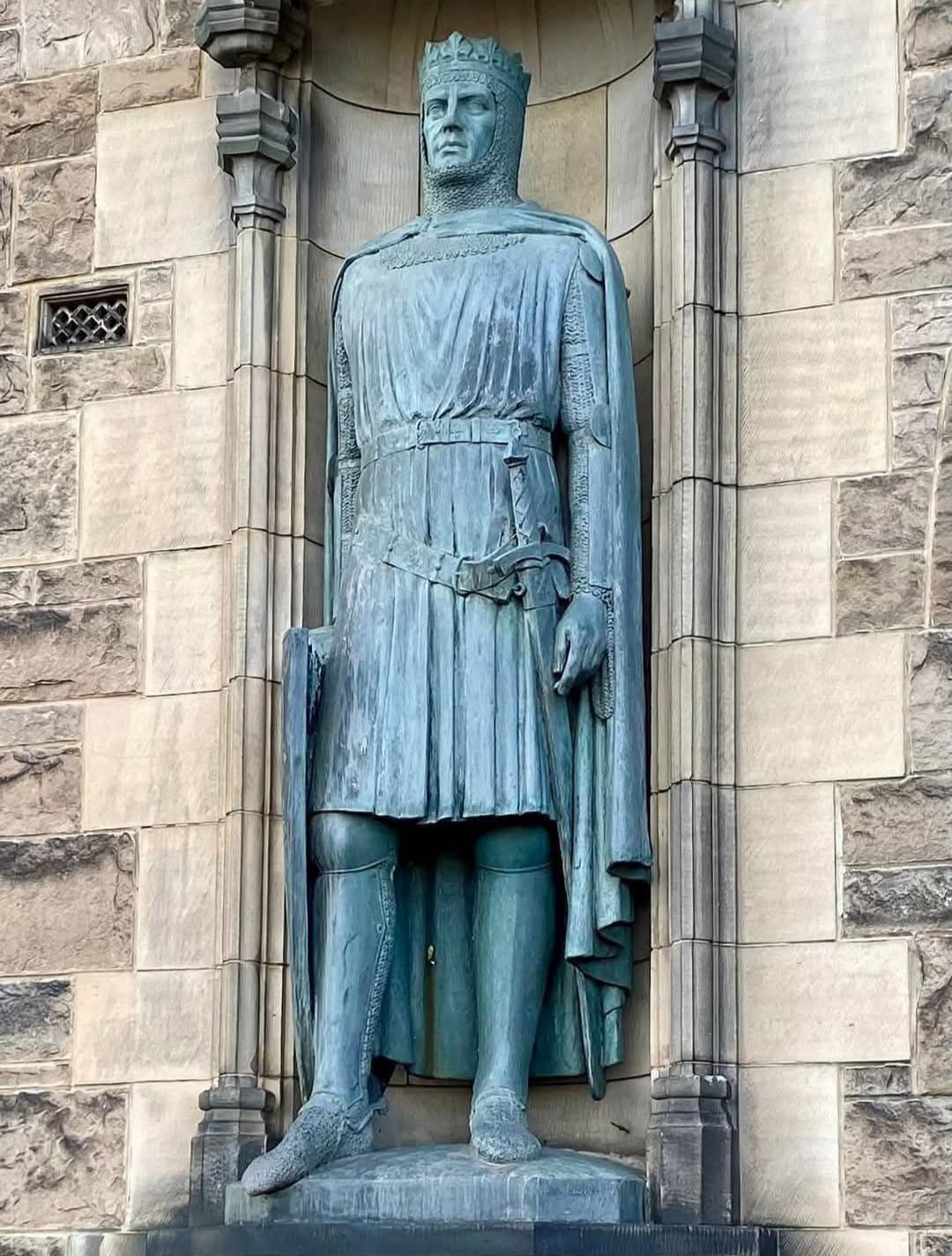
To secure the throne, Bruce had to fight not just the English, but also Scottish opponents like the Comyns and their allies in a brutal internal war. Following his disastrous first campaign and coronation in 1306, he was forced into hiding, appearing to some as a desperate renegade before his return to power.Early in the wars of independence, Bruce was inconsistent, sometimes aligning with Edward I of England, other times with the Scottish resistance led by William Wallace. Throughout his kingship from 1306 to 1329, Bruce led guerrilla warfare campaigns across Scotland, northern England and Ireland. Before his great victory at Bannockburn (1314), Bruce endured numerous, crushing early defeats in battle.
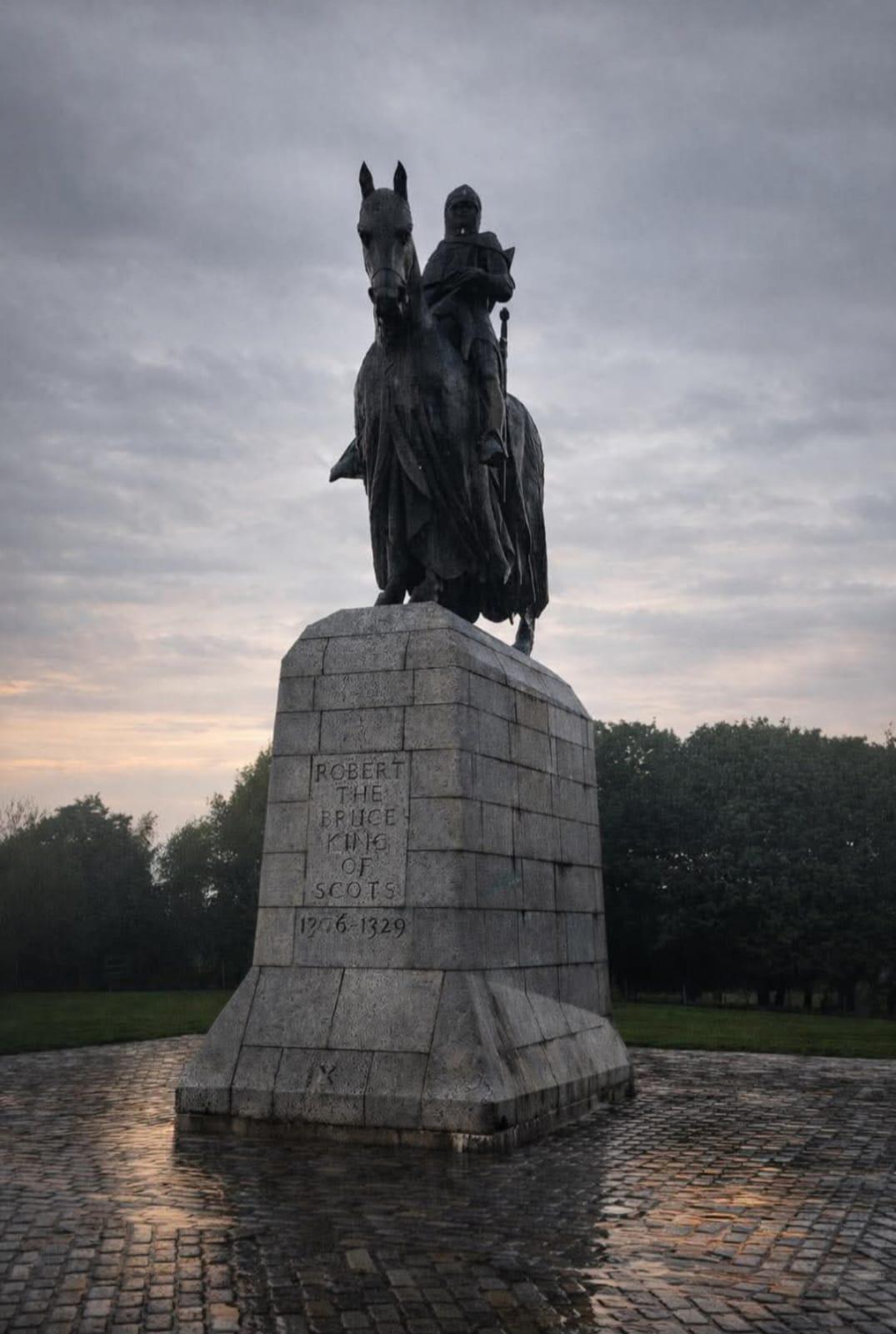
Despite these controversial acts, Bruce is recognized for securing Scotland's sovereignty via the Treaty of Northampton.Bruce remains one of Scottish history’s most controversial characters, and one of the few whose name is easily recognized by non-Scots.
Comments (6)