The Quiet Sicily: What the Arancino Knows!


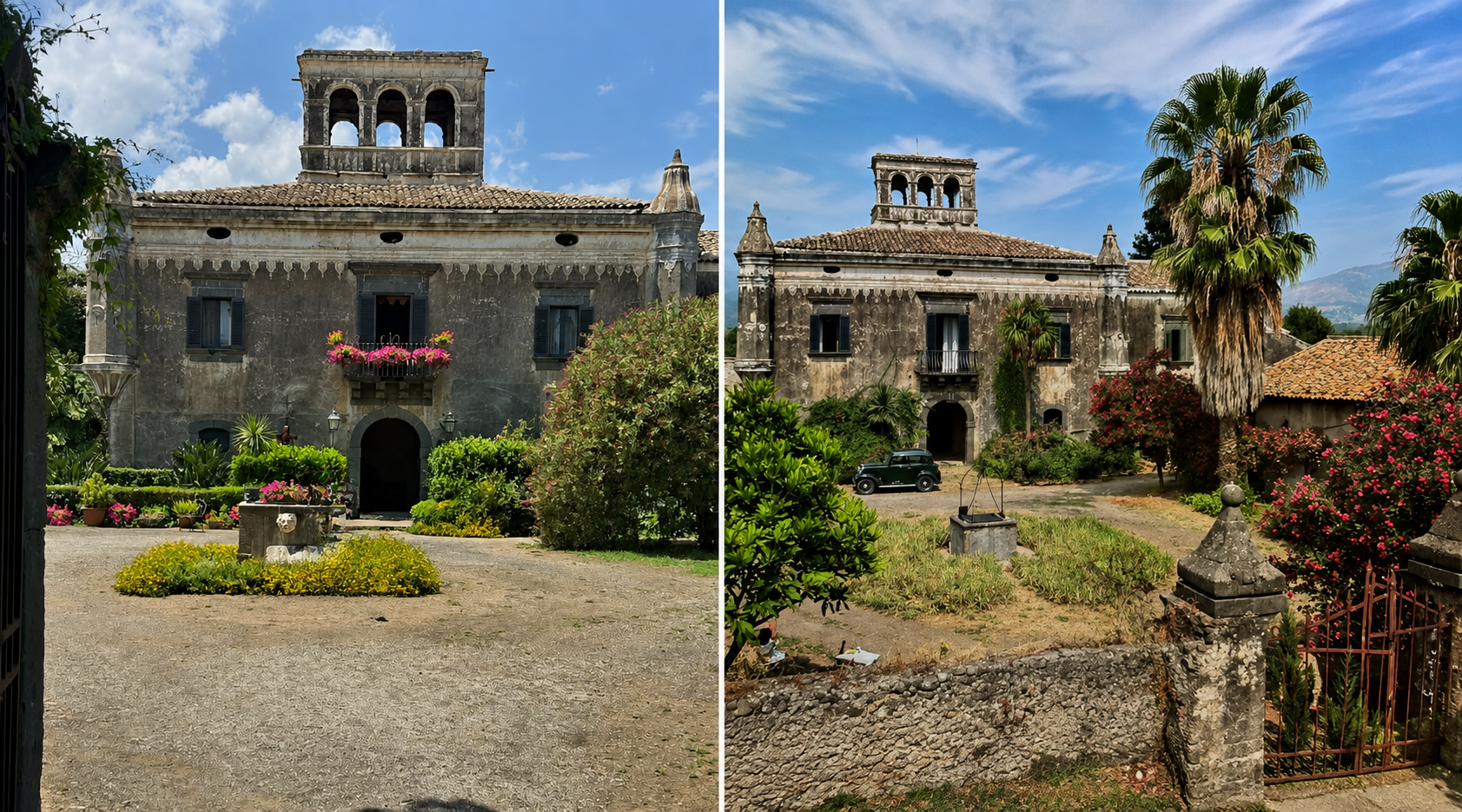
Geography made Sicily a doorway before it made it a home. The largest island in the Mediterranean, it sits close enough to touch both Italy and Africa, and everyone passing between the two has stopped to claim it — Greek settlers, Roman governors, Arab emirs, Norman kings, then French and Spanish crowns long after. None of them fully erased the one before. So the island holds its history the way a table holds a meal built from several kitchens at once, each dish still recognisably its own. I met that truth inland rather than on the coast — in mountain villages, in a family-run villa, in an agriturismo where nothing was staged for a visitor's benefit.
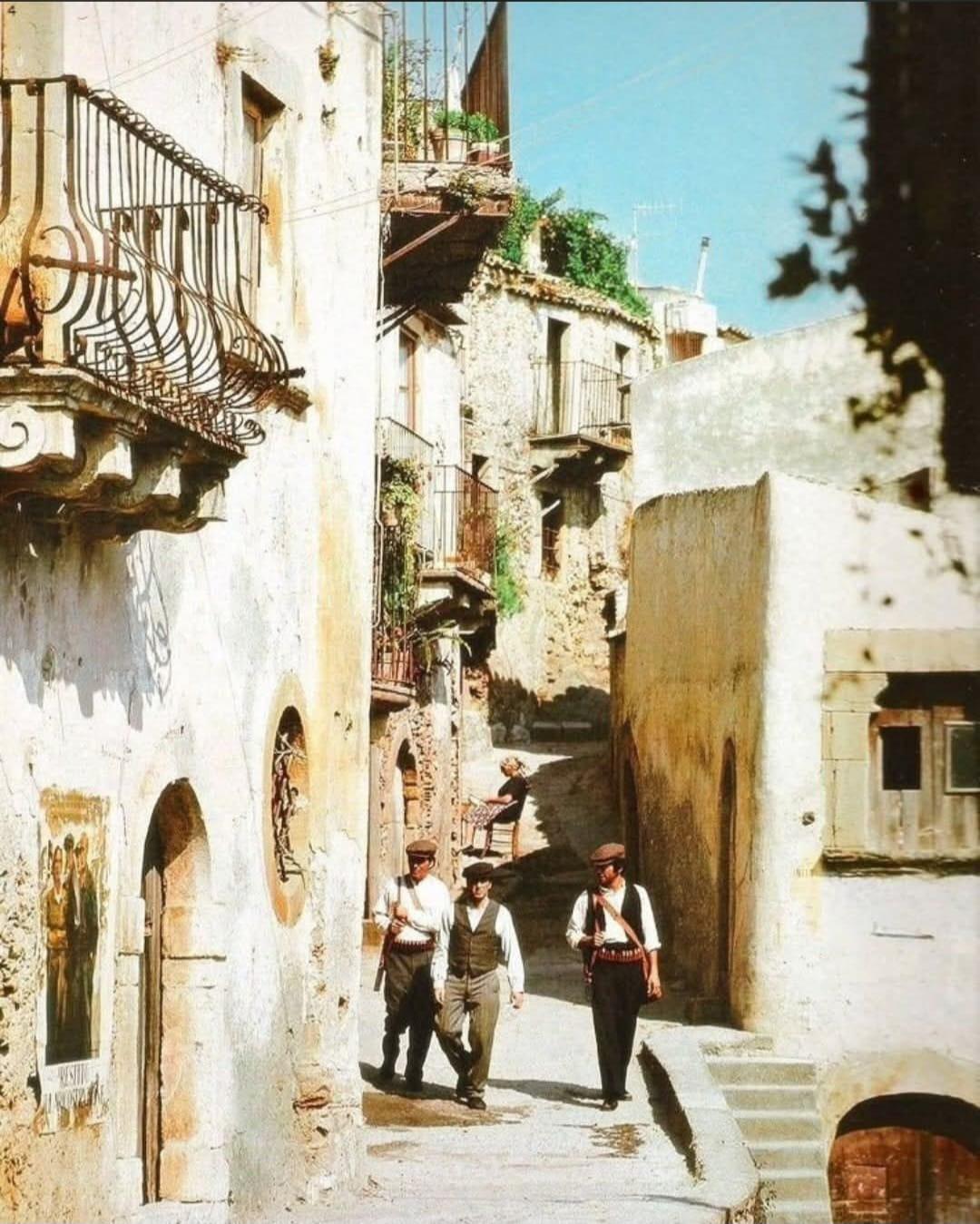
Sicily's fame arrived through a wound. The Godfather taught the world to hear thunder — omertà, vendetta, men in dark suits deciding fates over espresso. It is not false, exactly. It is simply not the whole island.
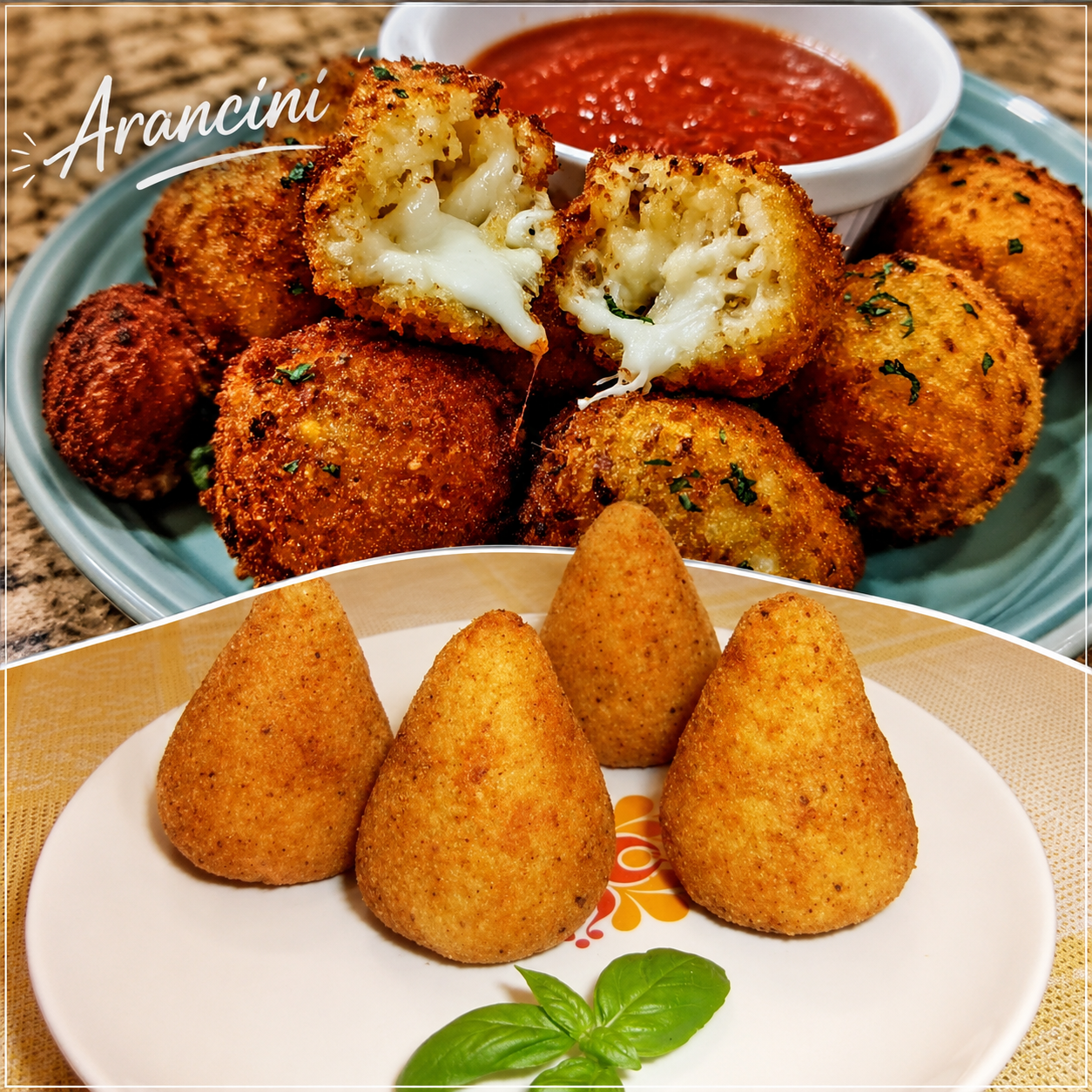
The other Sicily moves at the pace of a rice ball cooling on a plate. Arancini began under Arab rule in the tenth century, when saffron turned rice gold and meat was folded in as festival food, not a meal for every day. The Normans who followed added their own weight to the dish. But it was the Middle Ages that gave arancini its genius: breading, invented to make food portable, so a farmer or dockworker could carry his lunch in a pocket without losing it to dust or rain. Convenience became craft. Craft became identity.
Cross the island and even the name splits — arancina in Palermo, round as its name promises; arancino in Catania, shaped into a cone to echo Etna's silhouette, the mountain the city lives beside and never argues with. Two grammatical genders, two temperaments, one island. Sicily's own food cannot agree with itself, and treats the disagreement as ordinary.
On the 13th of December, Palermo and Trapani eat nothing but arancini, in tribute to the feast of Santa Lucia — commemorating a grain ship that reached the port in 1646 and ended a famine. This is worth sitting with. The island's most sacred meal is a rice ball invented to survive scarcity, offered every year to a boat, not a body count.
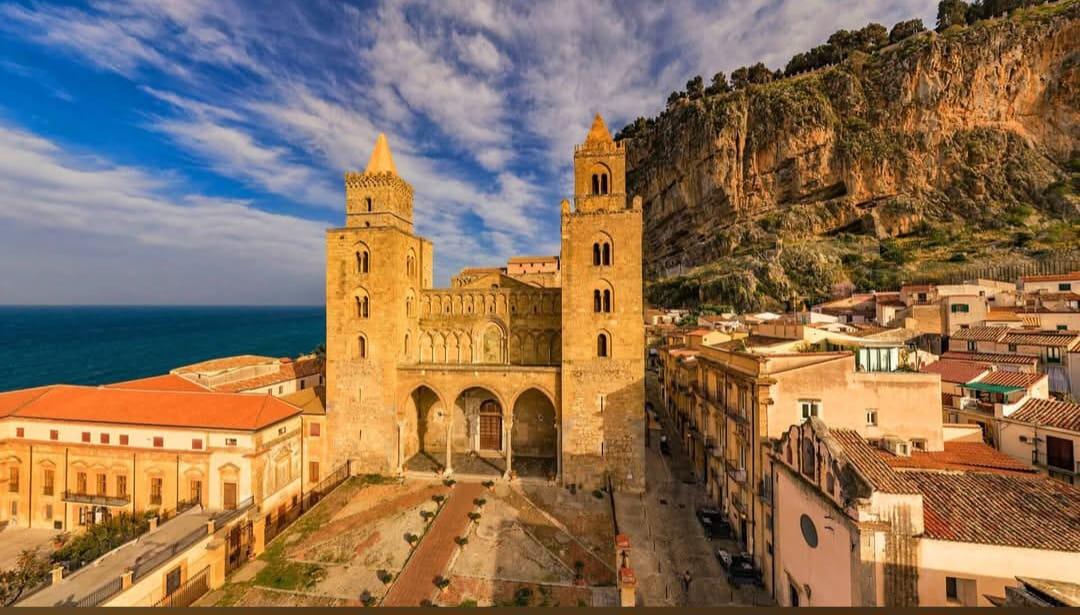
Elio Vittorini understood this Sicily. In "Conversazione in Sicilia", his narrator comes home not to gunfire but to conversation — with a mother, with strangers on a train, with hunger and cold and a dignity that needs no drama to be believed. Giuseppe Tomasi di Lampedusa gave the island its slowest sentence, in "The Leopard": everything must change so that everything can stay the same. That is not a mafia code. That is patience, mistaken from a distance for fatalism.Goethe went further and made Sicily the answer, not the exception: to have seen Italy without Sicily, he wrote, is not to have seen Italy at all — Sicily is the key to everything.
The arancino agrees, quietly. Under a crust fried hard enough to survive a pocket and a journey, it hides rice gone soft with stock, a spoon of ragù, a coin of mozzarella already melting before the heat even reaches it. Nothing about the shell tells you what waits inside.
That, more than any film, is the real Sicilian instruction: the loudest surface is rarely the truth of a place, and the softest interior is the one worth arriving for.
Note:(pics from internet for illustration only)

- Dr.Gayatri Mohapatra
Comments (4)