The Woman and the Sword!


A sword is not a garland. No one hands it to you. You have to want it.This is what makes fencing, of all things, an unlikely site of feminist meaning in India — a country where the sword has always belonged to kings, to warriors, to gods, to men. For a woman to pick one up is not simply to play a sport. It is to walk into a room she was never invited into and stand there as if she has every right to.
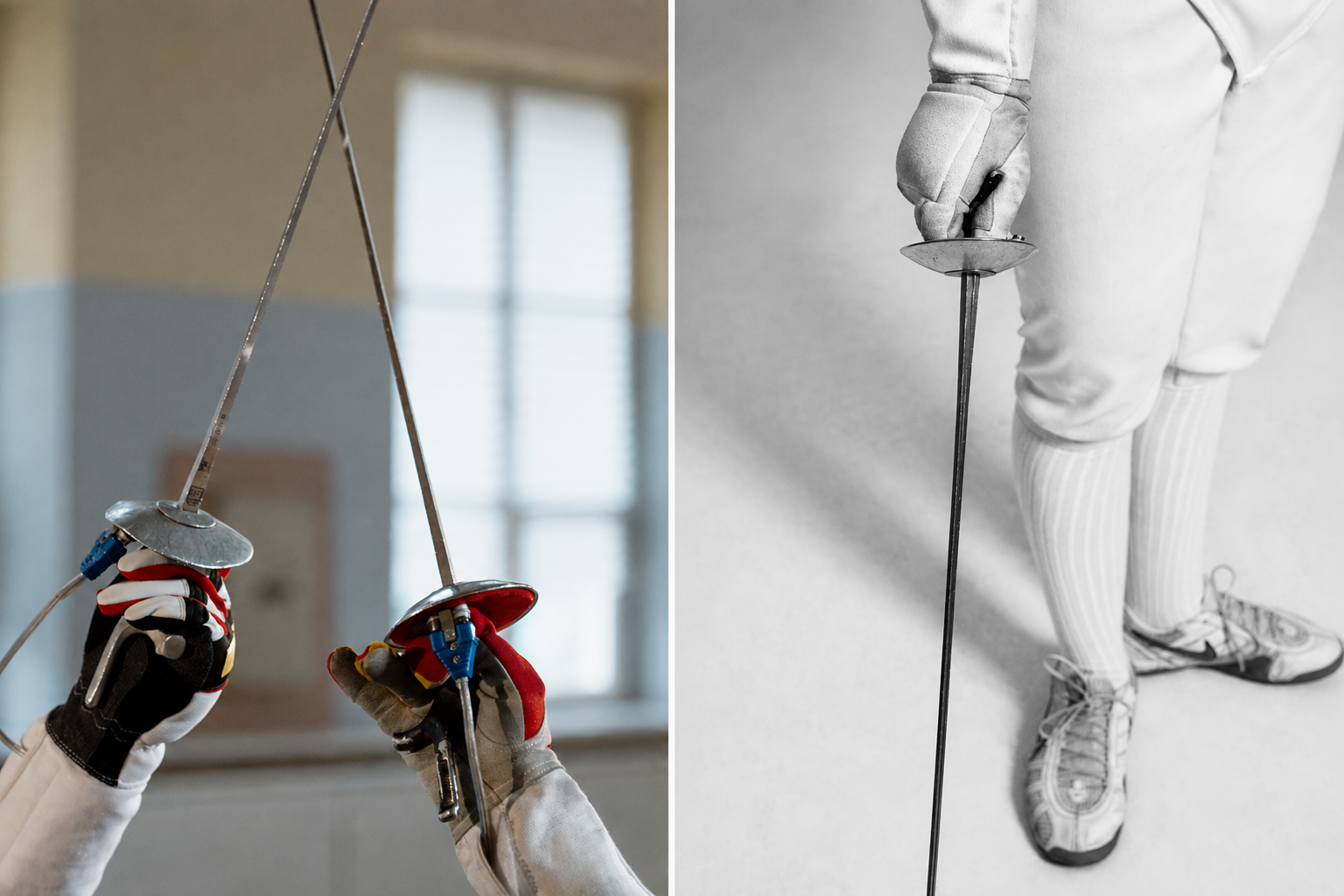
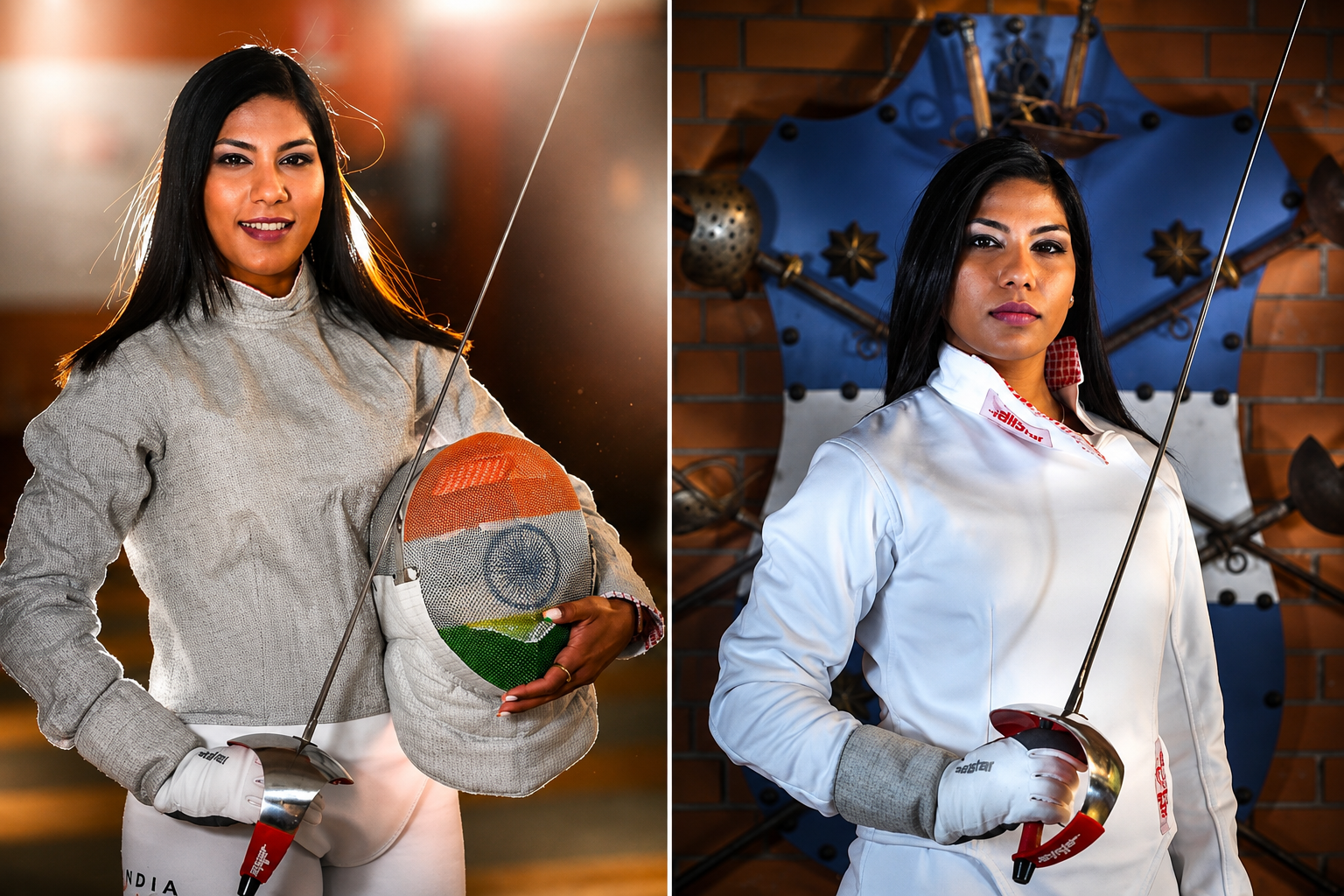
Fencing has existed formally in India since 1974, when the Fencing Association of India was founded — decades of quiet, underfunded persistence with almost nothing to show the country at large. Then came C. A. Bhavani Devi. A temple priest's daughter from Chennai, trained on a terrace during lockdown, in a stadium when restrictions eased, in Livorno when the terrace and the stadium were no longer enough. In 2021 she became the first Indian fencer to qualify for the Olympics. In 2023, in Wuxi, she became the first Indian fencer of any gender to win a medal at the Asian Championships — a bronze earned by beating a reigning world champion on the way there. Neither of these firsts belonged to a woman merely following a man into a sport already made respectable. She was the sport's opening act in this country.
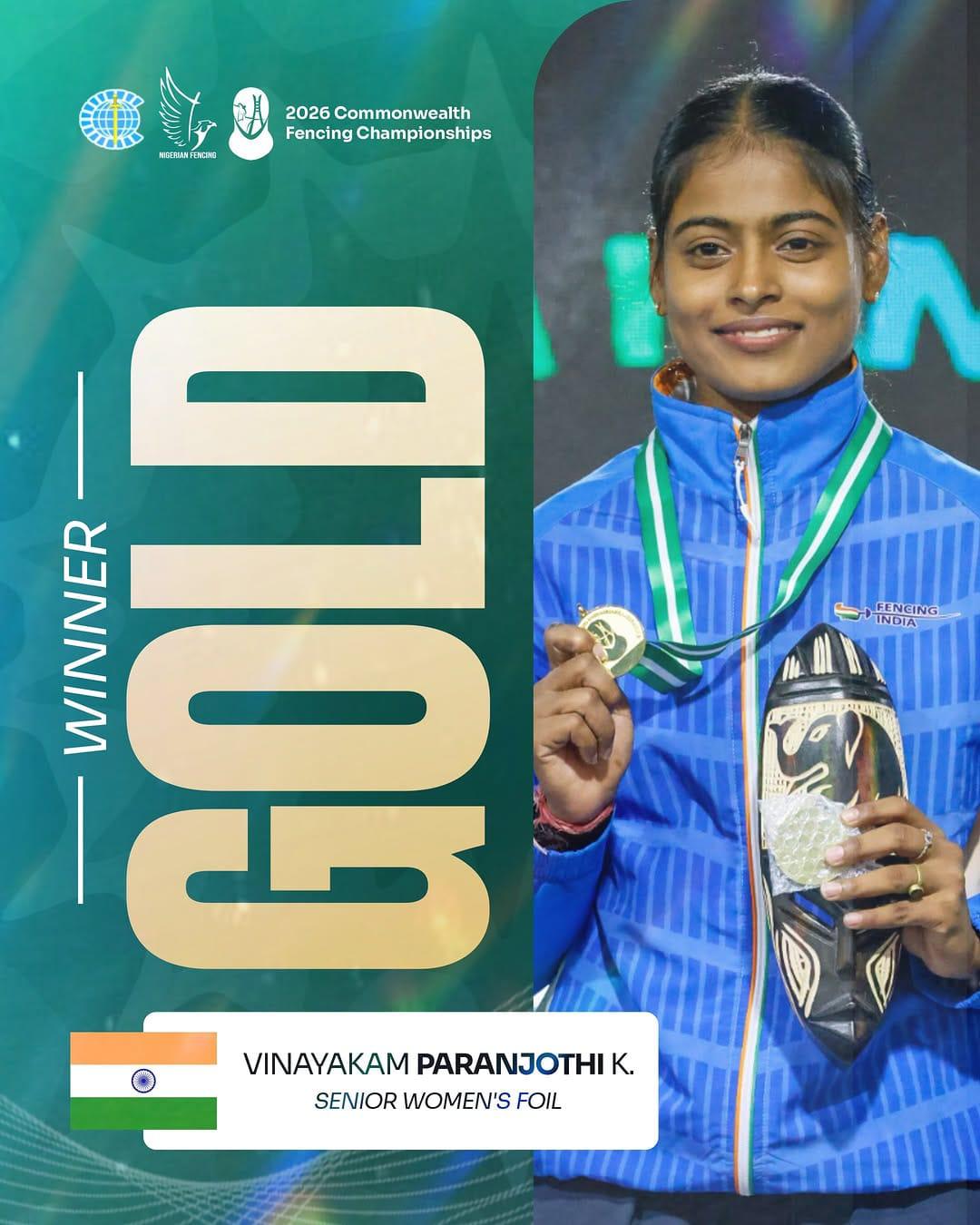
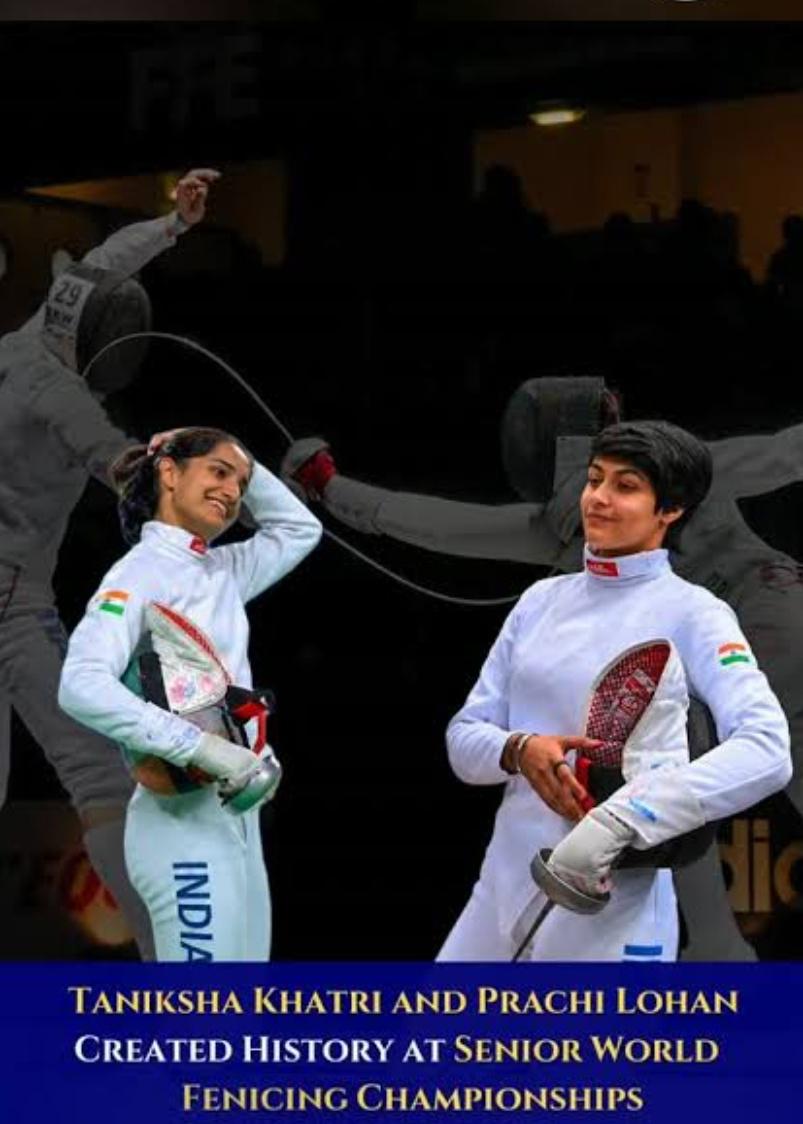
There was no one ahead of her to widen the door. What she opened, others have started walking through. In 2022, the first Khelo India women's fencing league drew more than three hundred women from twenty states — a number that says more about where this is going than any single medal can. And this June, at the Asian Fencing Championships hosted for the first time on Indian soil, in Delhi, a new cohort of names entered the record — Taniksha Khatri, Prachi Lohan, Kanupriya Chawla — young, still finding their level against the region's best, but present. Visible Counted.
None of this should be inflated into a movement it is not yet. Fencing remains marginal in India — nowhere near the reach of cricket or badminton or wrestling, still short of coaches, kit, and public attention. What has changed is not the sport's size. What has changed is what it now stands for.
Because fencing was never going to be absorbed into the vocabulary Indian sport usually reserves for its women — grace, discipline, decorative excellence. It rewards none of that. It rewards aggression. It rewards the willingness to close distance and strike first. It rewards a mind that reads an opponent's intention half a second before the opponent acts on it. A smaller woman can beat a larger opponent here — not by matching force with force, but by out-thinking her. The body stops being something to be looked at and becomes something that looks, calculates, decides.
That is the real inheritance a woman takes up when she takes up a sword. Not the blade itself, which is only steel. The inheritance is the historical presumption that offence, conquest, and the right to strike first were always male privileges — kingship's privileges, war's privileges — and that women were to be defended, never to defend themselves by attacking. Every woman who steps onto a strip and lunges first is quietly overturning that presumption. She is not there to be protected. She has come to decide, herself, when to advance and when to withdraw.
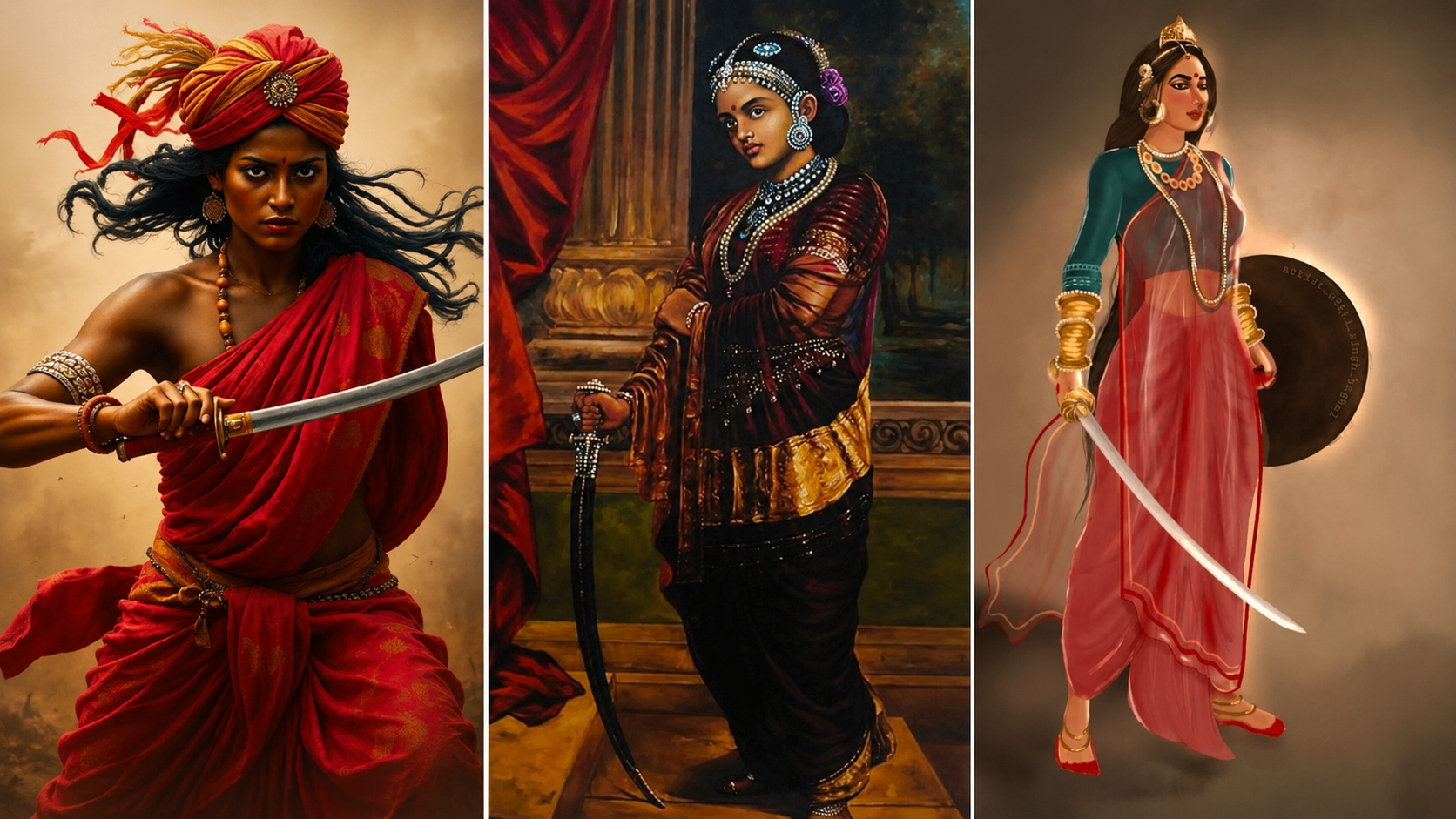
This is why the story is not "women are taking up another sport." It is a woman claiming the right to occupy space aggressively — physically, competitively, without apology — in a culture that has rarely offered her that right without a fight first.A woman who has learned to fence has learned something no coach ever says aloud: that the space in front of her was always hers to take.
Note:(pics from internet for illustration only)
Comments (3)