We Forget to Celebrate: Bloomsday, Ulysses, and the Reading India Skipped!


Every June 16th, Dublin turns into a 1904 theme park. More than a hundred events across the city mark the day on which Ulysses is set, and people dress in Edwardian fashion, with the straw boater hat as the signature accessor. There are readings, performances, walking tours, exhibitions, and even yoga sessions, and the day traditionally begins with the famous Bloomsday Breakfast at Belvedere College, followed by a stop at Davy Byrne's pub for the gorgonzola sandwich and glass of burgundy that Bloom himself eats in the novel.
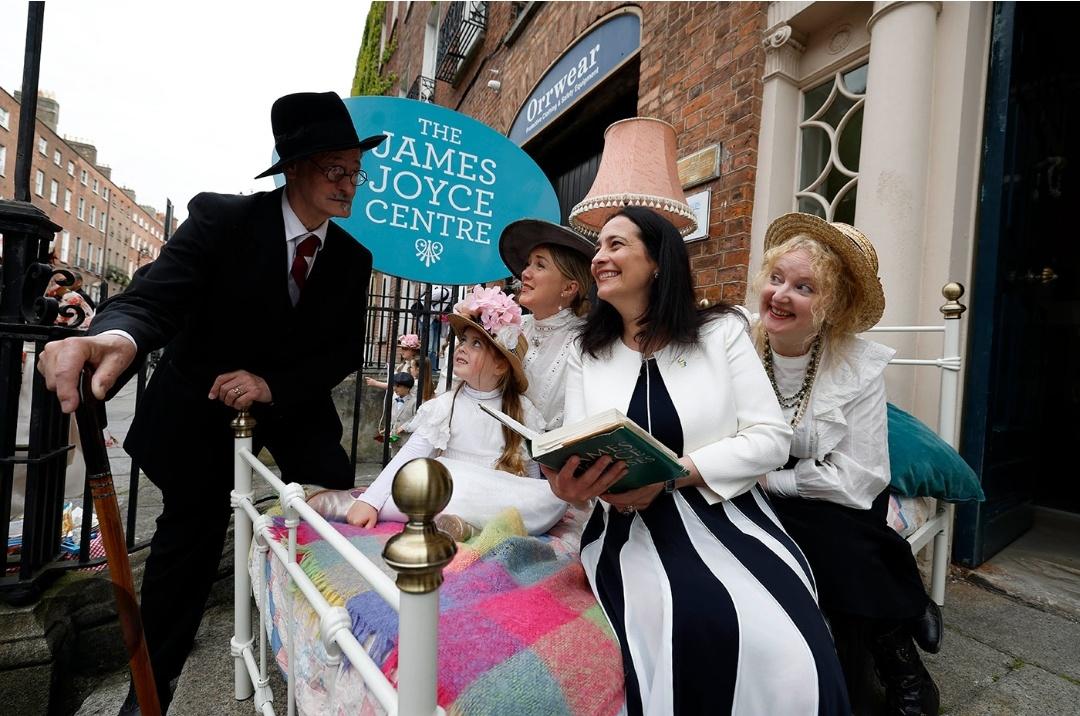
It isn't only Dublin. In Sydney, an Irish-Australian collective called the Prankqueans stages Bloomsday readings and music around Waverley, and Irish embassies and consulates across more than sixty countries now run Bloomsday-related programming as part of a wider showcase of Irish writing.
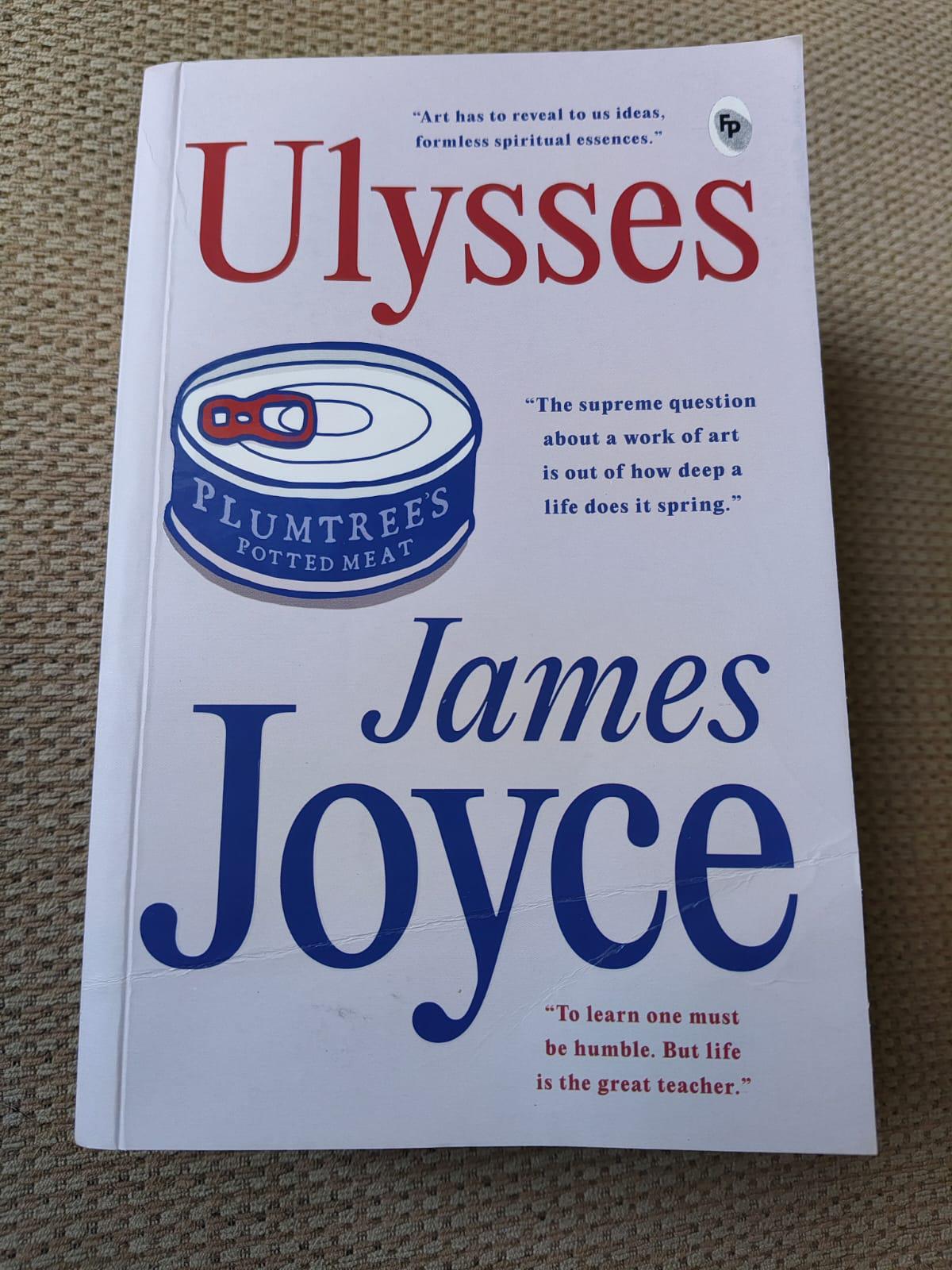
India is part of that map only in the faintest sense — a short video commissioned for the occasion featured writers from several countries, including India, talking about Irish literature's connections to their own traditions. That's it. No bookshop readings, no costumes, no public events. And recently, on an Instagram show , a well-known Indian author called Ulysses "a bloody bore." He's entitled to that opinion ofcourse.But, I think it's the wrong one — and the gap between Dublin's hundred events and our near-total silence is worth sitting with.
Part of the explanation is structural. Bloomsday isn't really a celebration of a book; it's a celebration of a city. The festival itself describes it as a celebration of James Joyce's love for Dublin , and the entire ritual — the boater hats, the soap from Sweny's chemist, the breakfast kidneys — only works because Dublin's geography hasn't changed enough to make the pilgrimage impossible. You can still walk Bloom's route. There is no Indian city whose streets map onto a single canonical text the way Dublin maps onto Ulysses, so the festival form doesn't translate easily — even if the book should.
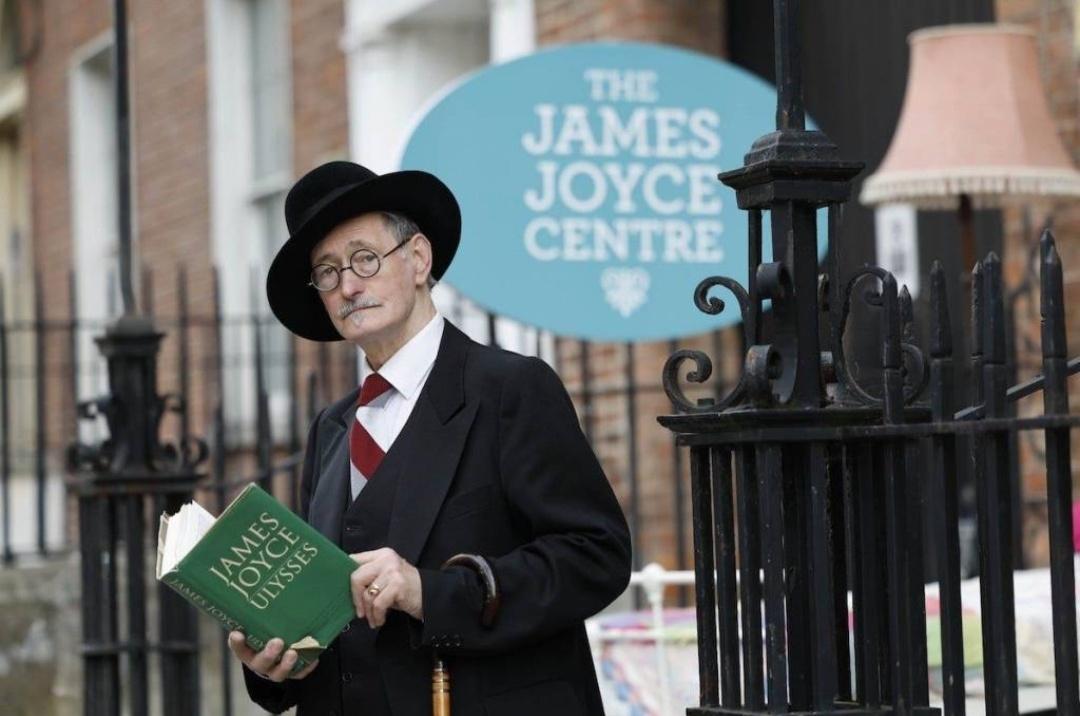
But I suspect the deeper reason is simpler: very few people here have actually read it, and the ones who haven't are often the loudest about dismissing it. Even the festival's own promotional material asks, somewhat ruefully, how many people have actually read all 265,000 words of Joyce's masterpiece — and that's in a country that treats the book as civic heritage. In India, where Joyce was never part of the standard literature curriculum the way the Victorian novel was, Ulysses arrives, if at all, as a rumour: a famously "unreadable" book, good for intimidating people at parties, not for actually reading.
That's the real loss. Because what Joyce did in Ulysses wasn't a stunt. He took eighteen hours of one unremarkable Dublin day — a walk, a funeral, an argument, a man buying soap — and gave it the structural weight of Homer's Odyssey. The epic, Joyce insisted, was never really about gods and ten-year voyages. It was always here, in the texture of an ordinary Thursday, if you looked closely enough and had the technique to render it.That technique — stream of consciousness, interior monologue, the collapse of the gap between thought and language — didn't stay in Dublin. Woolf's Mrs Dalloway, written in near-direct dialogue with Joyce, doesn't exist in its current form without him. Faulkner's fractured, looping consciousness owes him an enormous debt. The multilingual wordplay and structural ambition of writers from Rushdie to Pynchon trace back to Joyce's basic insistence that how a sentence sounds and breaks is inseparable from what it means. Strip Ulysses out of the twentieth century and the modern novel looks structurally simpler — more linear, more polite, less willing to trust a reader with confusion.
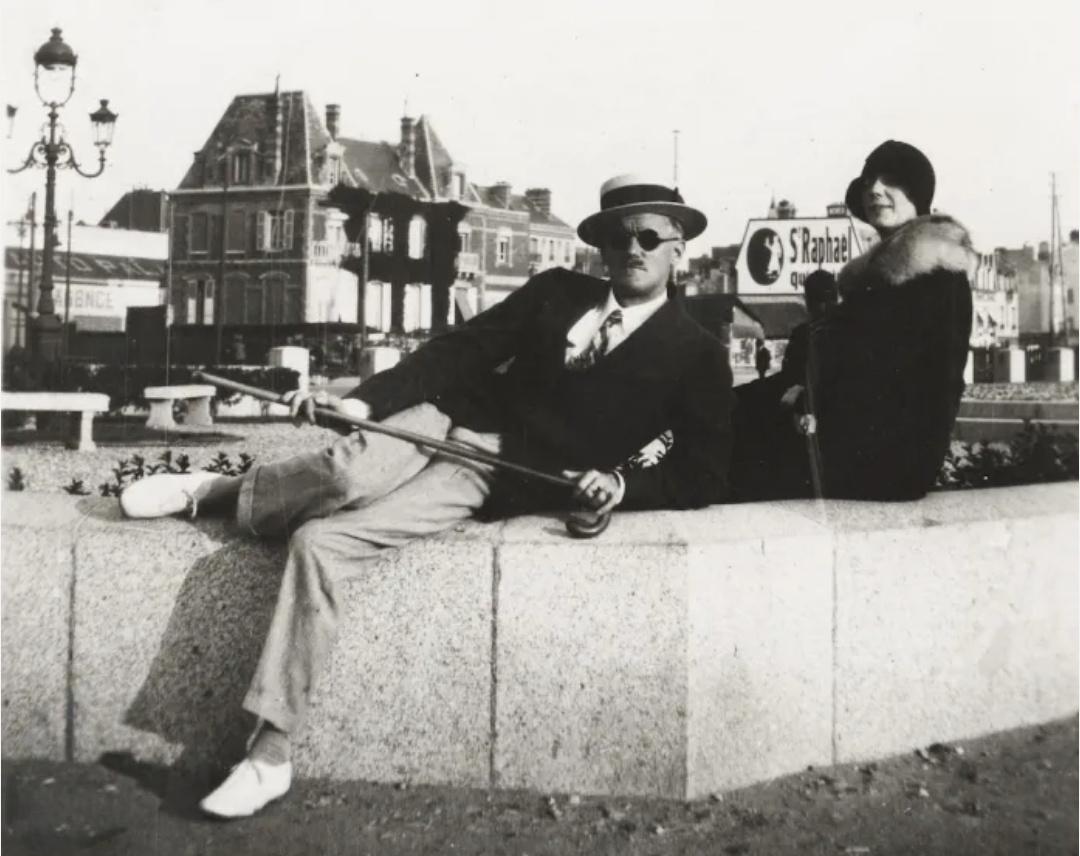
This is why Joyce needs to be read extensively, not sampled. A page of Ulysses taken at random can feel like noise — fragments, puns, half-finished thoughts, references to things you don't recognise. That's by design, and it's also exactly what makes the "bore" verdict so understandable on a first encounter. But extensive reading — staying with it past the Telemachus and Nestor chapters, into Bloom's day proper — is what lets the rhythm declare itself. You start reading less for plot and more for pattern: how a thought trails off the way real thoughts do, how the prose style itself shifts to mirror what's being described. That shift in how you read doesn't stay confined to Joyce. It changes how you read everything afterward — more patient, more attuned to texture, less dependent on being told what to feel.
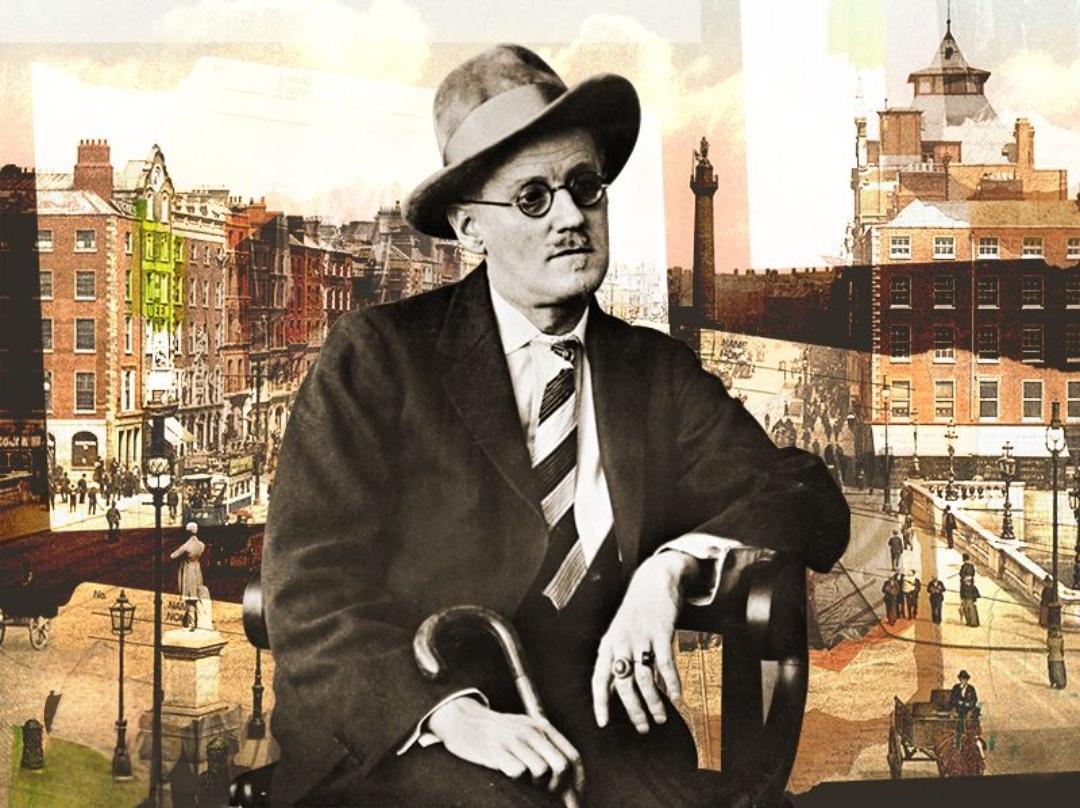
India, of all places, should find this familiar. Our own narrative traditions — the Mahabharata's nested stories within stories, the non-linear time of the Puranas, the deliberate digressions of classical Sanskrit and Persian narrative forms — never treated difficulty as a flaw to be apologised for. We are not, by inheritance, an audience that needs everything explained on first contact. Perhaps the quiet dismissal of Joyce here says less about Ulysses and more about how far some contemporary reading culture has drifted from that inheritance — toward demanding that every book perform its meaning instantly, on the first page, in the first reel.
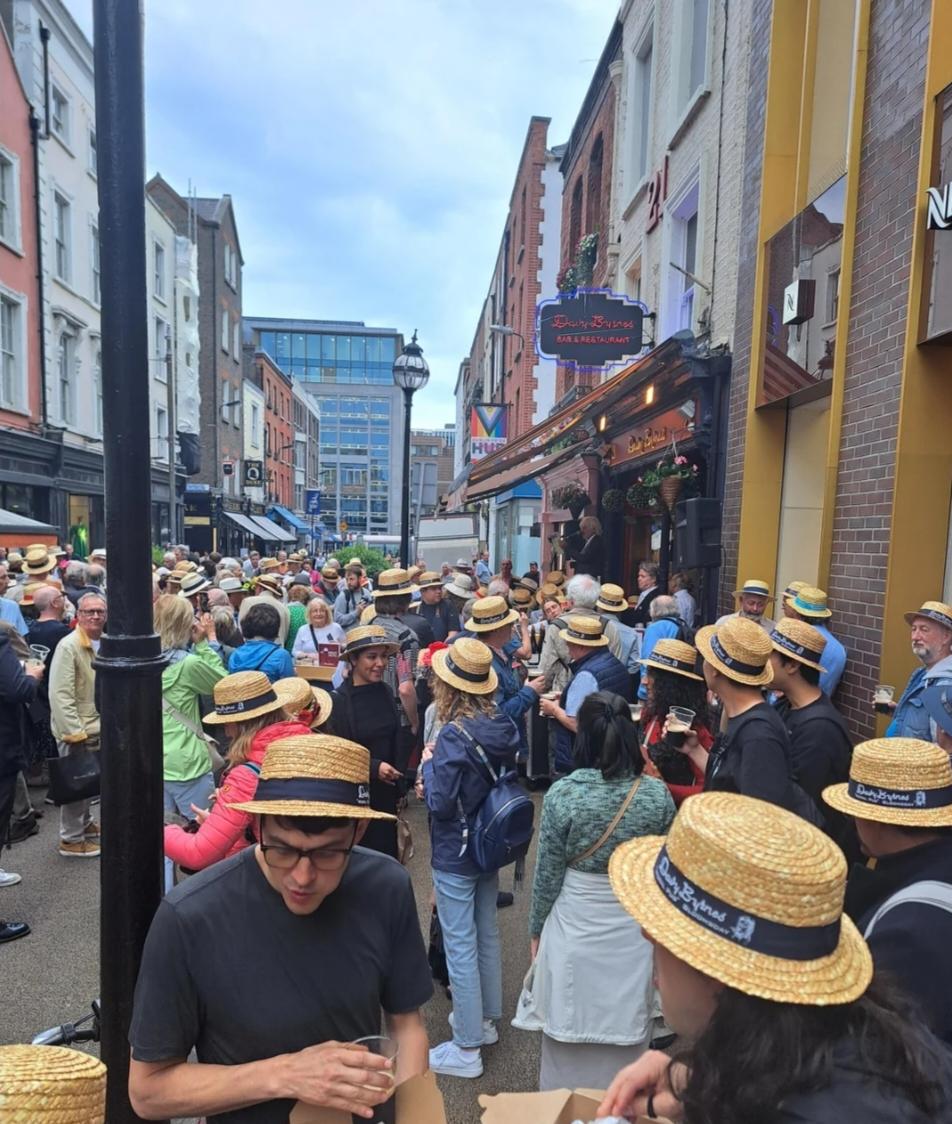
You don't need a boater hat or a walk through Dublin to mark Bloomsday properly. You need an afternoon, a willingness to be confused for a while, and the patience to let a very strange, very great book do what it was built to do. Boring, it turns out, was never really the problem. Impatience was.
Note:(pics from internet for illustration only)
Comments (3)