What the Mountain Keeps!


There is a boot on the trail near the summit of Everest, bright green, still bright after twenty years.Every climber who passes it knows exactly whose it marks. Green Boots" is the remains of Indian climber Dorje Morup, who died during the infamous 1996 Everest blizzard. His bright green mountaineering boots pointed out a limestone cave shelter at 8,500 meters on the northeast ridge. For nearly three decades, climbers used his body as a distance marker.
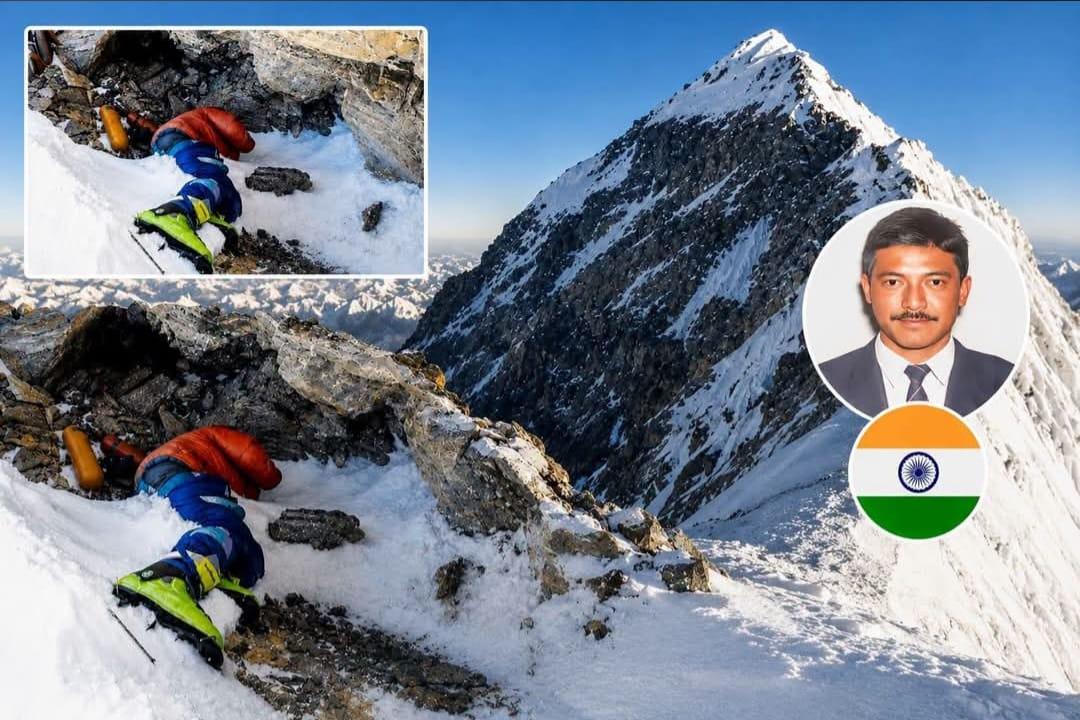
They step around it. They keep going up.Nobody says this out loud before they buy the ticket. Above 8,000 metres — the death zone, climbers call it, without flinching — a fallen body cannot be carried away like an injury. It becomes furniture. A cave with a man frozen inside it, used to tell you how far you've come, and how much further you have to fall.
There is a rule for exactly this reason. If a climber has not reached the summit by 2 p.m., they turn around, no matter how close the top looks, no matter how much of themselves they have already spent to get there. Above 8,000 metres the body burns through everything fast, and the afternoon brings storms that do not ask permission. Climbing down in the dark, exhausted, on legs that have nothing left, is where almost everyone who dies on this mountain actually dies — not reaching for the summit, but leaving it.
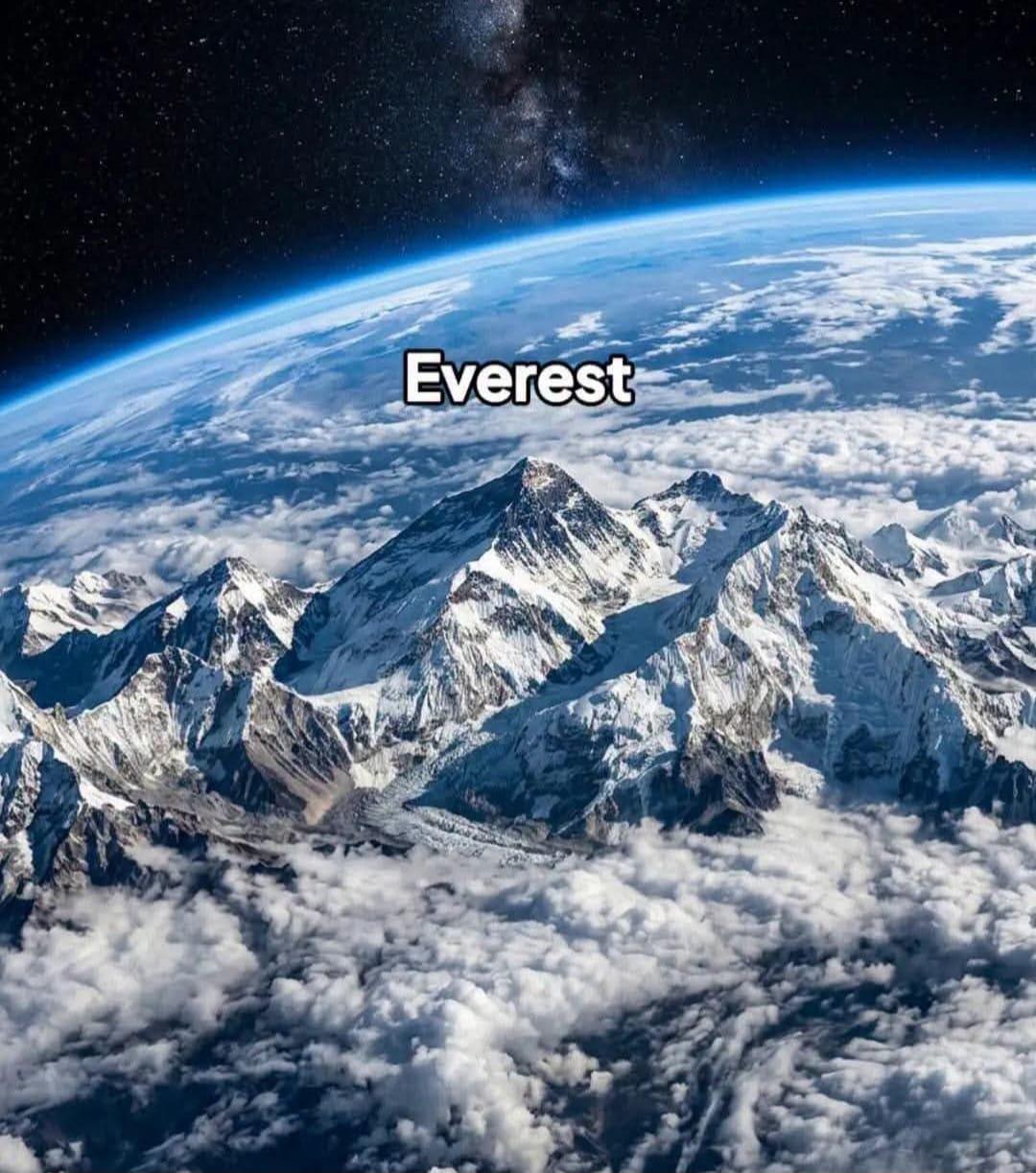
As the mountaineer Ed Viesturs put it, getting to the top is optional. Getting down is mandatory. Mountains have a way of dealing with overconfidence, and the 2 p.m. rule is simply what humility looks like when it has been written into a schedule.And still they climb.Call it thrill and you have understood nothing. Thrill does not survive stepping past a woman still sitting upright against her own pack, dead for years, kept there by wind and cold like a warning nobody heeds.
In 1998,American climber Francys Arsentiev became separated from her husband, Sergei, near the summit. Passing climbers found her alive the next day, but she was too far gone to save, and attempting a rescue would have meant certain death for them. Her striking purple-jacketed body remained visible on the slopes for years until a cleanup expedition finally covered her remains in 2007.
What survives that sight and keeps a person climbing anyway is not adrenaline. It is a summons. The mountain does not ask to be admired. It asks to be answered, and something in certain people rises to meet that indifference the way a tide rises for a moon that has never once looked back.
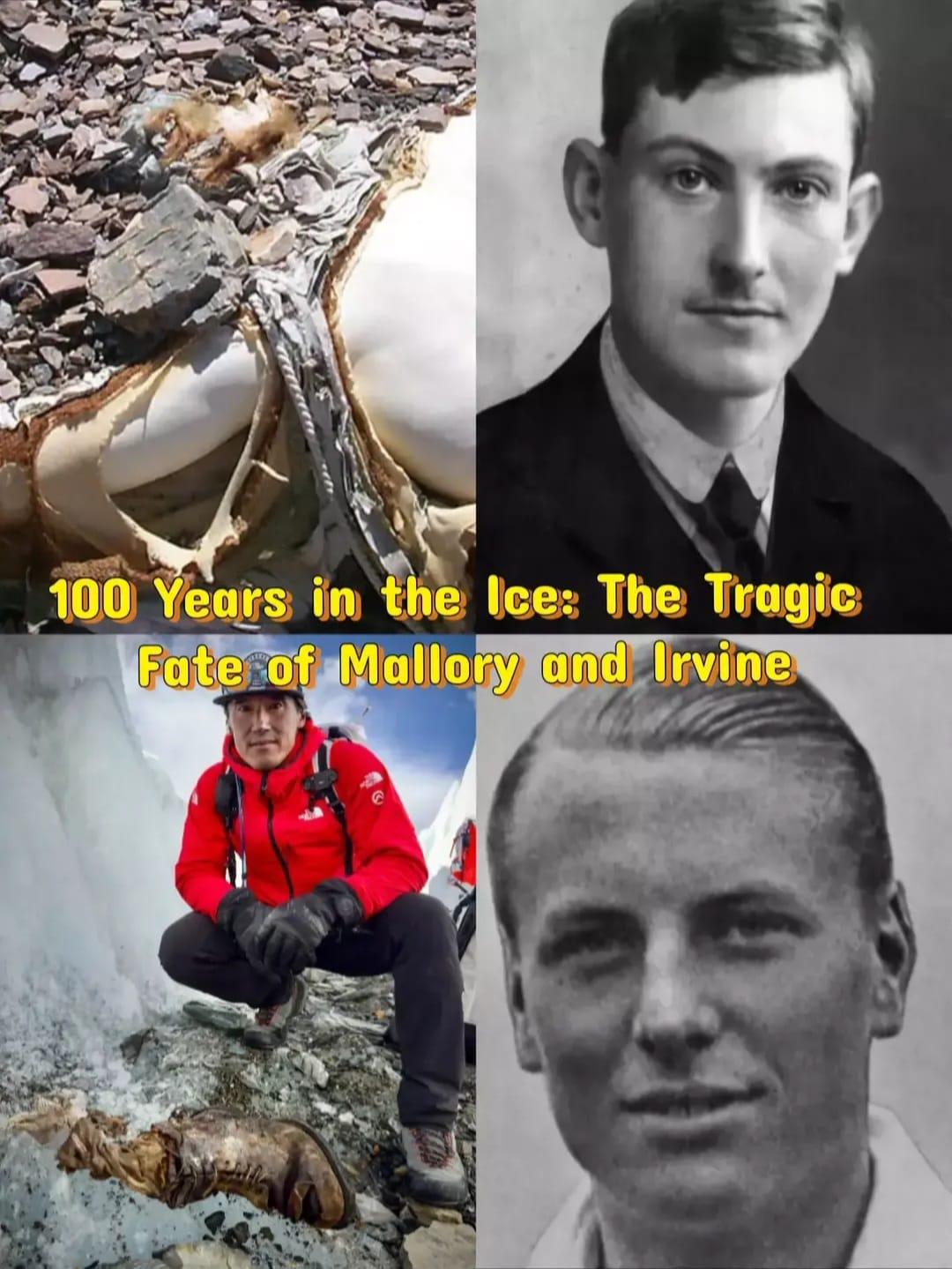
They are not chasing a photograph at the top of the world. They are chasing the self that only exists at the edge of its own dying.Mallory reached for the summit in 1924 and vanished; the cold kept him safe until someone came looking, seventy-five years later. Green Boots became a waypoint instead of a man, a colour instead of a name, pointed out by climbers radioing base camp the way you'd mark a milestone.
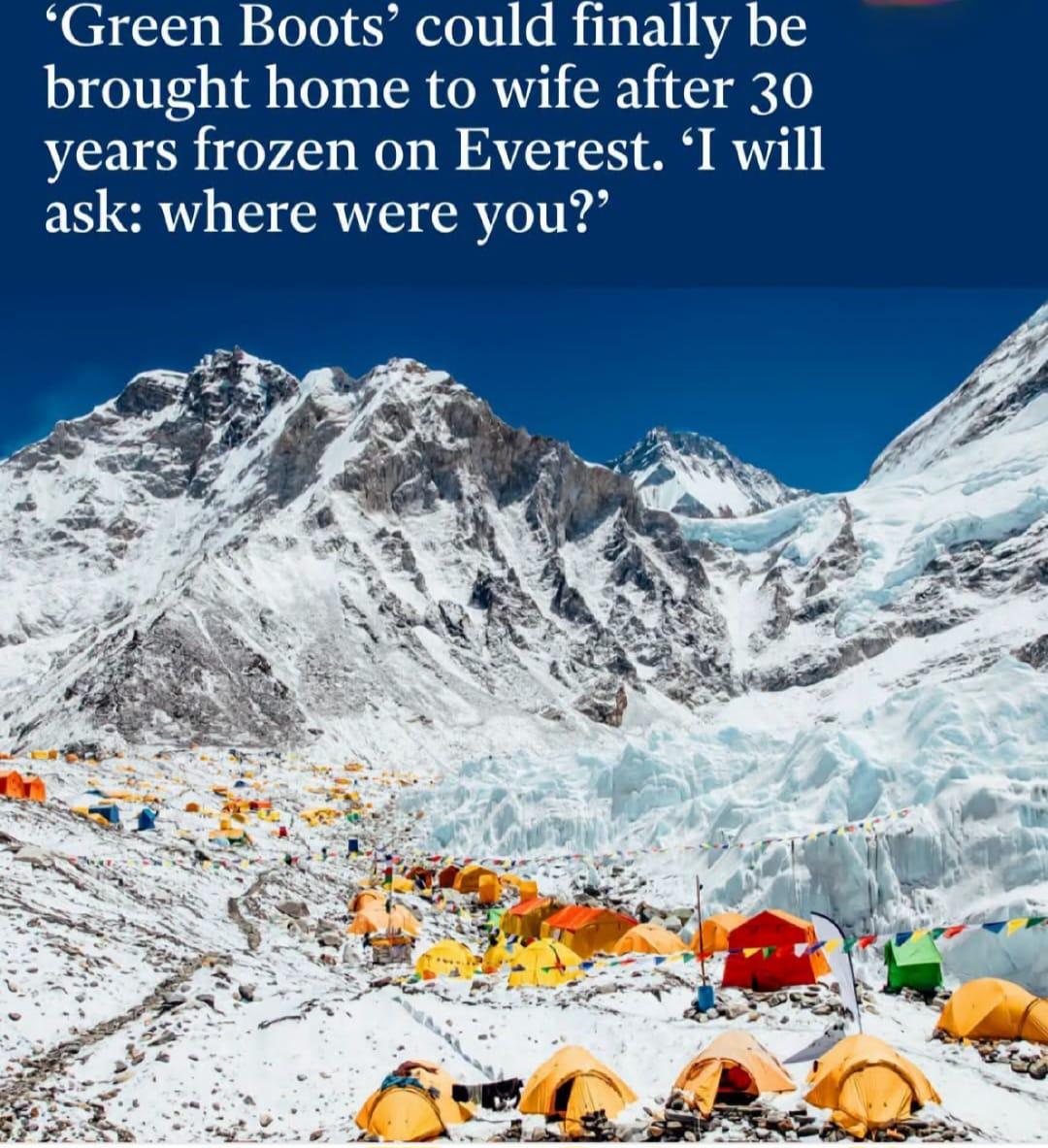
This year, after thirty years of being stepped past, the Indian government finally moved to bring him home — a mission into the same death zone that killed him, just to carry him out of it. Francys Arsentiev was told, by strangers, that she was loved, and told to get up, and could not. The mountain does not soften for anyone. It only keeps what it takes, exactly as it took it, until someone decides it has kept him long enough.
And this is the part that should break something in you: bringing a body down costs more than most families will ever earn, and governments — weighing one frozen life against a hundred living ones — often decide they cannot spend it. So the dead stay. Not from cruelty. From an arithmetic that has no gentle answer. But grief does its own math.
In July 2026, an avalanche took ten climbers on Broad Peak. Among them, Nirmal "Nimsdai" Purja — a man who had already done what no one believed a body could do at altitude. His friend Mingma Gyalje Sherpa was climbing K2 when the news reached him. He turned around. Walked away from a summit he had spent years and a fortune chasing, and went instead toward ground that had already slid once and could slide again, because somewhere on that mountain was a brother who could no longer walk himself home.
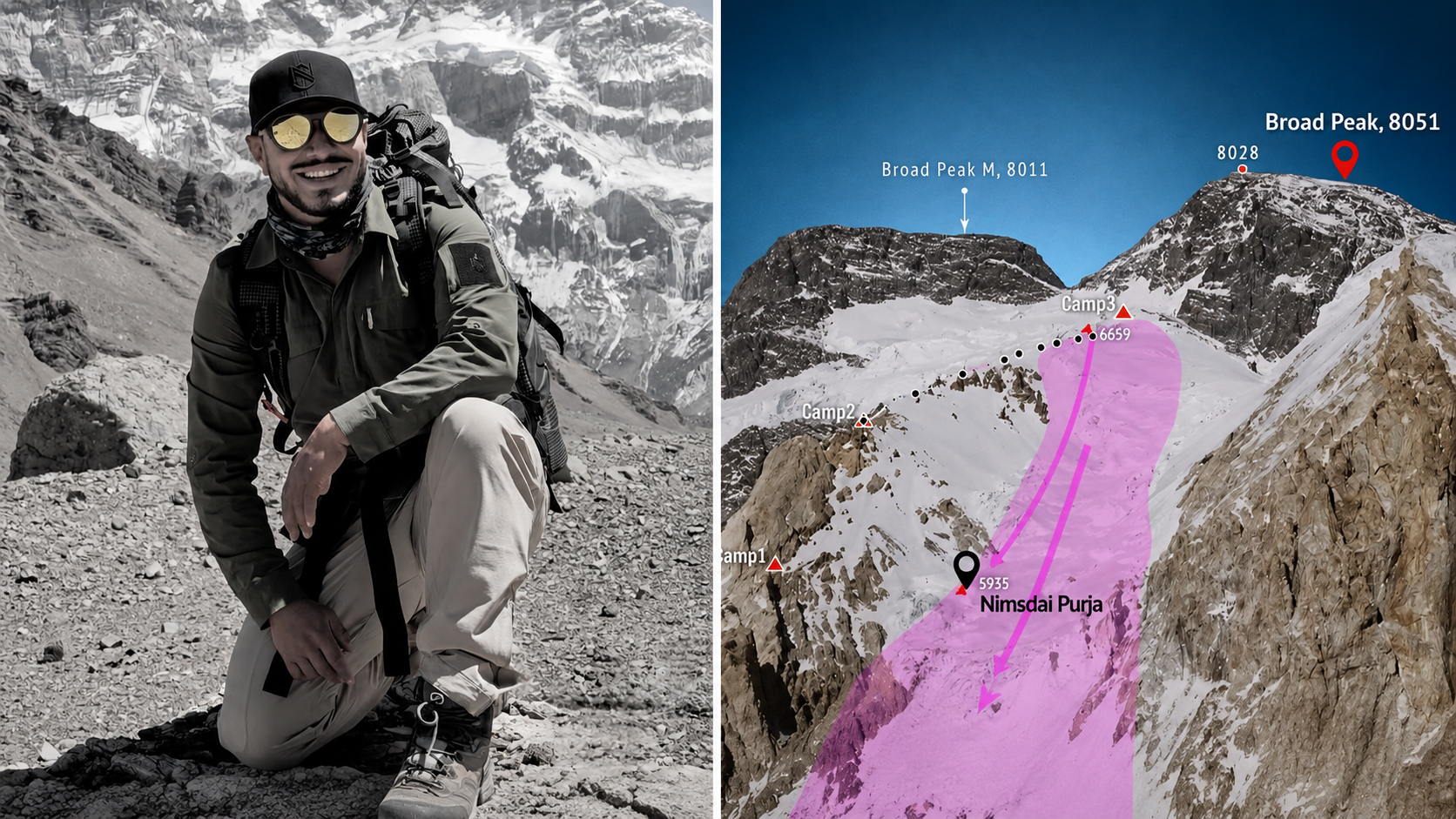
That is the second calling these mountains make. Not to the ones who go up. To the ones who go back.And some, when the moment comes, choose the opposite mercy — they let the mountain keep what it loved back. Not surrender. A kind of faith: that he climbed that high chasing something real, and the place he fell in love with dying is not the worst place to be left.Both are devotion. The mountain does not care which one you choose. It only asks that you mean it.

Every peak above the clouds is a graveyard that never asked to be visited — and still they come, not for the photograph, but for the seam between living and not, where the ones who went before are still standing, still climbing, forever a few steps from the top.
"Somewhere between the bottom of the climb and the summit is the answer to the mystery why we climb.”
Note:(pics from internet for illustration only)

-SunheriSufi
Comments (6)