Wigilia-A polish family celebration of faith!


It's a tad ironic that I got reminded of my pen pal ( during my teenage years ) Katarzyna Wójcik, while admiring interesting snail mail account pages on Instagram.The art of letter writing has been ruthlessly taken over by technology.That timeless practice of crafting personal, meaningful communication through handwritten notes emphasized an emotional connection.The personal touch built strong relationships and preserved memories.
When I was growing up, having an international pen pal was important for fostering cross-cultural understanding, improving literacy and communication skills promoting creativity and offering new perspectives on the world, through thoughtful letter writing. It expanded horizons beyond our immediate environment and fostered empathy.
As Christmas draws near, I am reminded of unique celebrations in Poland which, long time back, Katarzyna had described so vividly and beautifully in her letters.Wesolych Swiat Bozego Narodzenia! That is the way to say "Merry Christmas" in Polish.
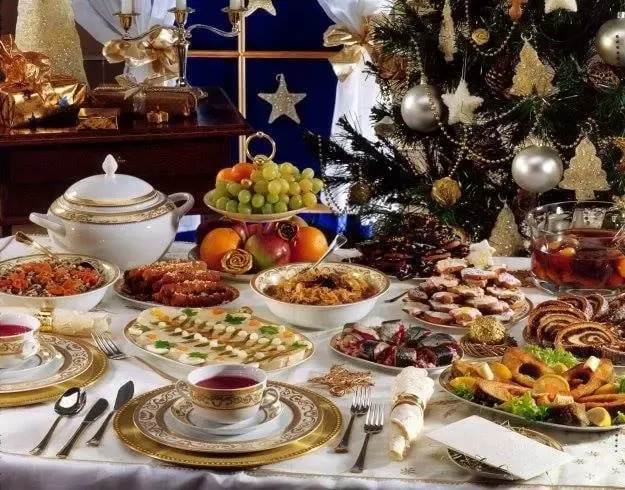
Amongst Poles there is a sense of anticipation as they prepare traditional delicacies days in advance as they wait for the first star, known as the Gwiazdka, to appear in the eastern sky. For that is when the feast to commemorate the birth of the Christ Child begins. Wigilia is the traditional Polish Christmas Eve supper held on December 24th, beginning after the first star appears in the sky. It is the most important Christmas Eve vigil supper in Poland.
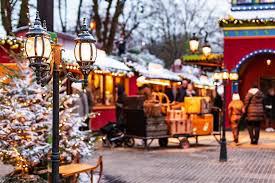
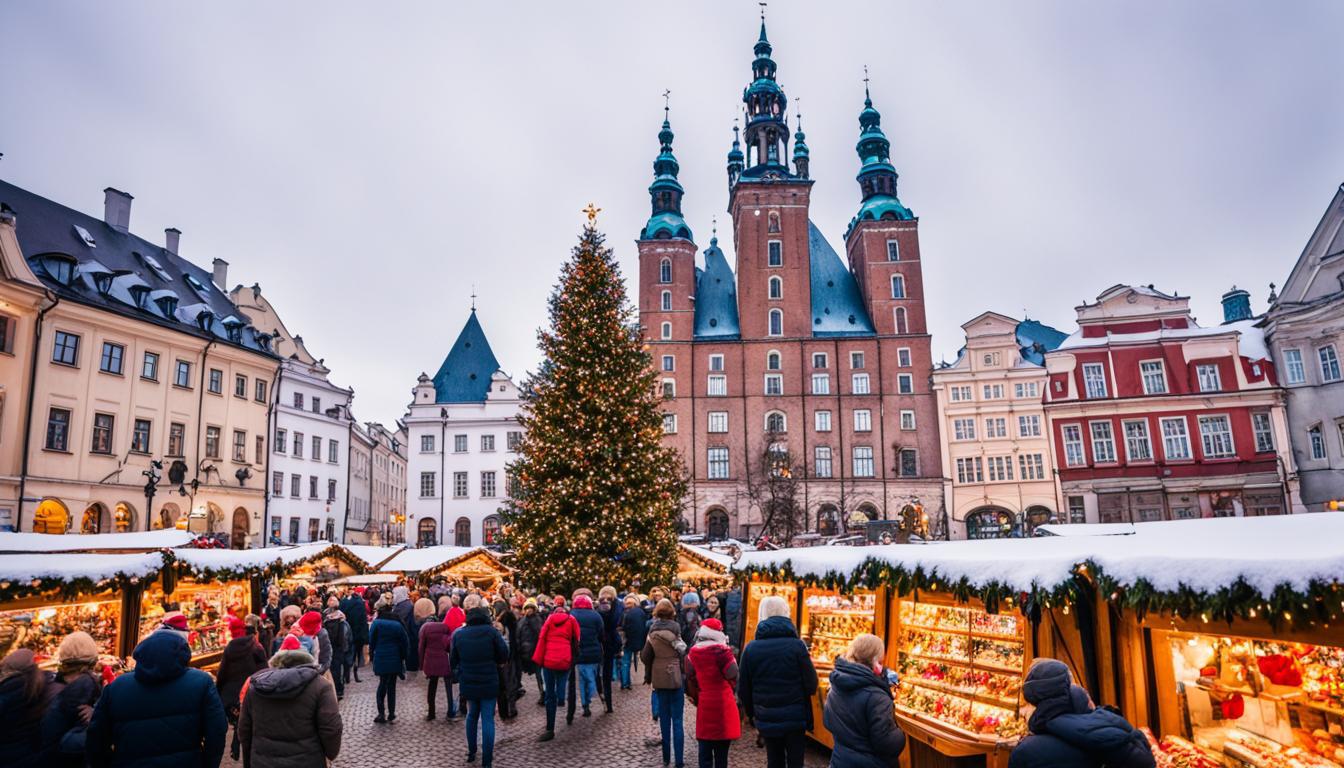
By the end of November, the cold cobblestone streets in Polish villages and cities are lined with Christmas markets selling traditional Polish cuisine, handcrafted souvenirs, and traditional amber handicrafts. Christmas is one of Poland’s largest celebrations. The main festivities occur over the course of three days from December 24 to 26. The 25th and 26th are days off to celebrate and relax with friends and family.
The term Wigilia is often used to refer to the entire day of December 24th, which centers around a meatless feast and various symbolic customs. It is a meatless feast of 12 symbolic dishes, featuring traditions like sharing an oplatek wafer, setting an extra place for an unexpected guest, and singing carols known as 'koledy'. Some families light a candle in the window to welcome Jesus in the form of a stranger who might come to share the supper. An extra place is set in the event he comes, as according to the ancient Polish adage, “A guest in the home is God in the home".
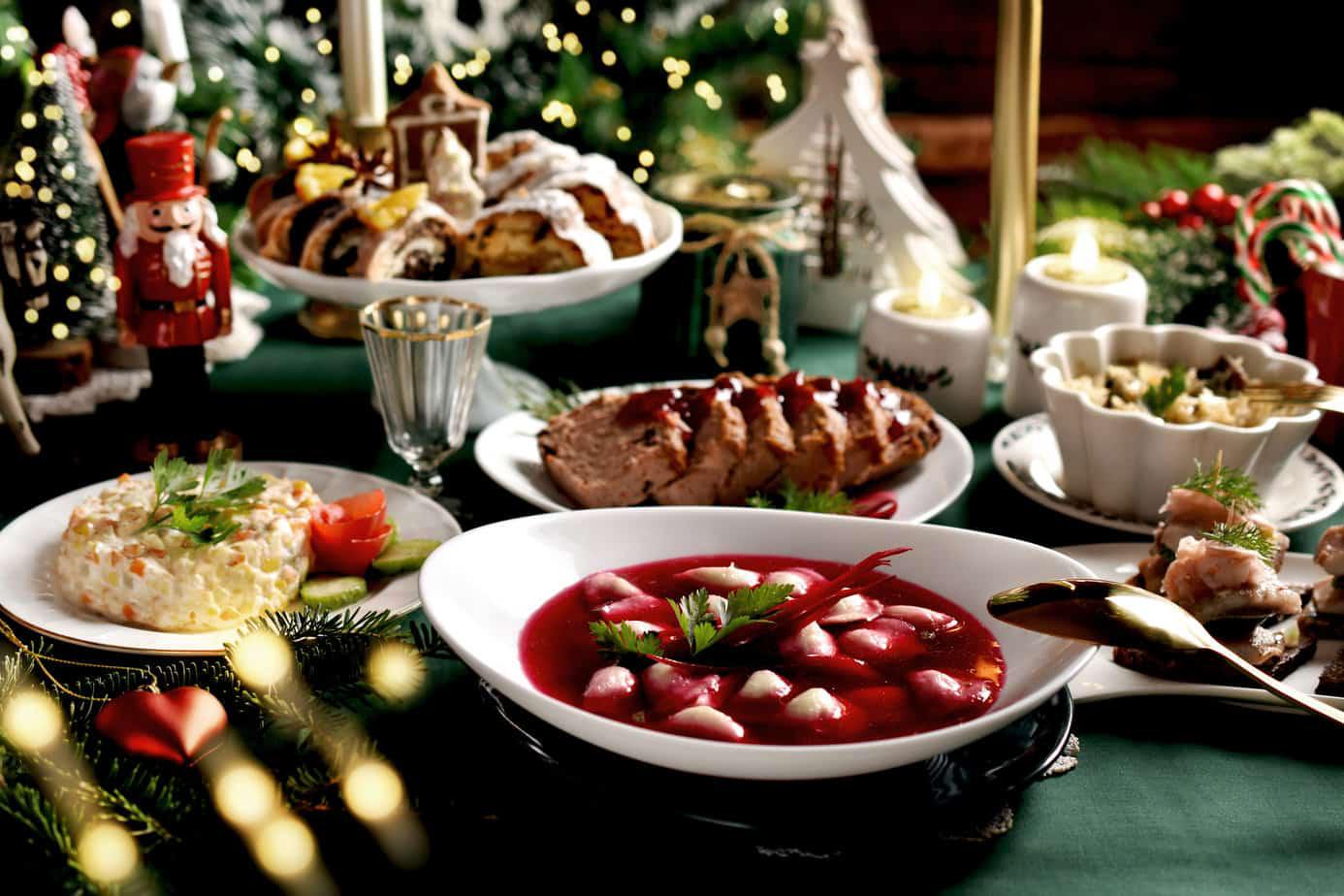
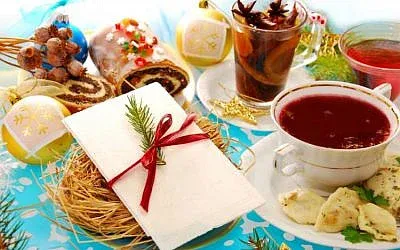
After the first star is visible in the sky, symbolizing the Star of Bethlehem the traditional meal begins. Before the meal, a thin, unleavened wafer called oplatek is broken and shared among family members, who exchange wishes for peace and happiness. The festive meal is completely meatless as it's a continuation of the pre-Christmas fasting period.
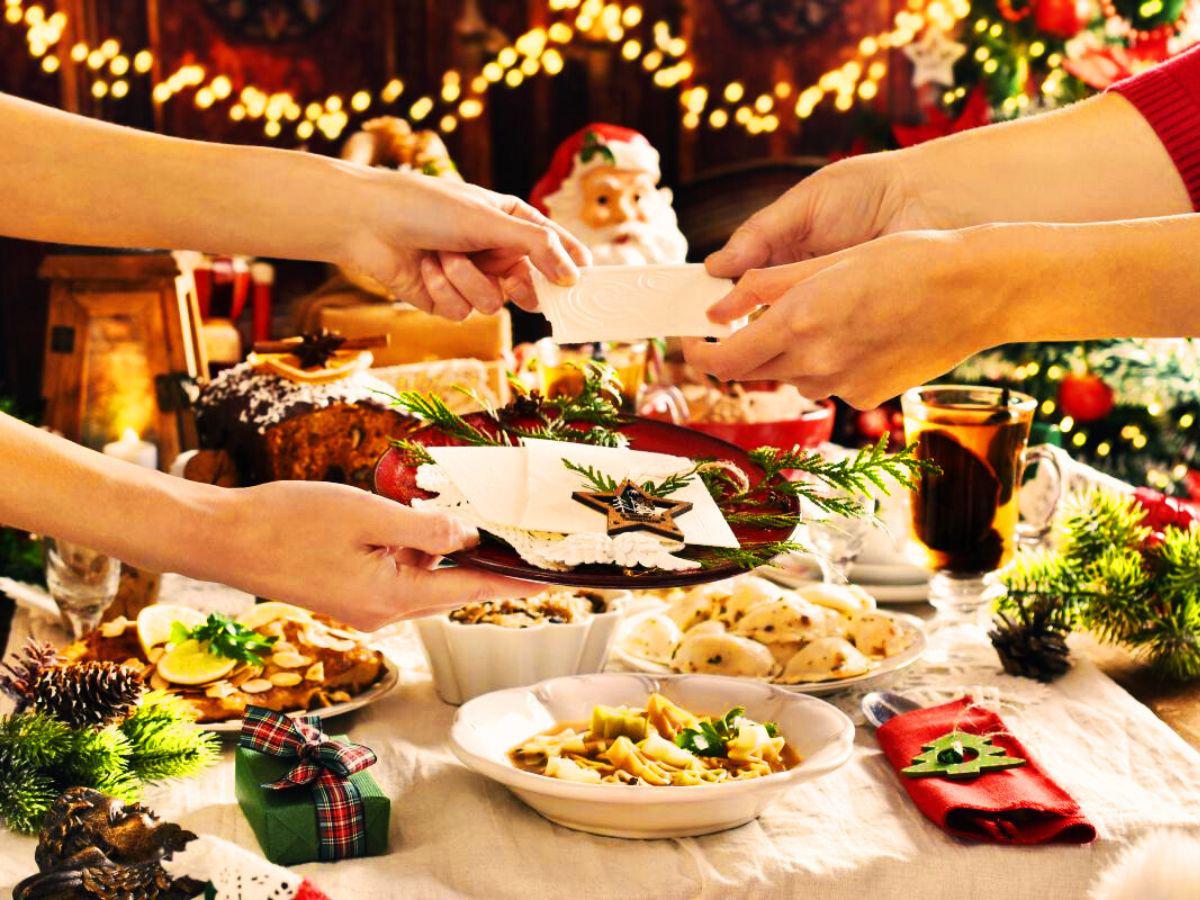
The 12 meatless dishes symbolize the 12 apostles or the 12 months of the year and vary by region, but typically include:
1-Borscht (beet soup)
2-Mushroom soup
3-Pickled herring
4-Fried fish
5-Pierogi (dumplings filled with potato, cheese, sauerkraut, or mushrooms)
6-Sauerkraut with beans
7-Potatoes
8-Kutia or poppy seed cake for dessert
9-Dried fruit compote
10-Krupnik (a spiced honey liqueur)
Katarzyna would wait excitedly for the gifts which were exchanged after the meal and would immediately write to me about it. The celebration is followed by the Pasterka, or Shepherds' Watch Mass, at midnight.
Represented in specific rituals, dishes, and activities, the holiday reflects Poland’s regional diversity, ancient pagan roots, and strong national and Catholic identity.
Comments (9)